
Nicaragua Detains Dozens Accused of Supporting Plot to Capture Venezuelan President Maduro
Managua, Nicaragua – Nicaraguan authorities have arrested dozens of individuals suspected of supporting efforts to capture Venezuelan President Nicolás Maduro, in a move that underscores ongoing political tensions and civil unrest in the Central American nation. The detentions, reported on January 10, 2026, highlight the deepening crackdown on perceived opponents amid Nicaragua's strained domestic landscape and its close alliance with Venezuela.
According to reports from The Guardian, Nicaraguan officials targeted those allegedly involved in activities supporting Maduro's capture, a charge that points to opposition sentiments against the Venezuelan leader. The arrests began around 06:20 GMT on January 10, marking a significant escalation in the government's response to dissent. While exact numbers and identities remain partially undisclosed, the action is described as involving "dozens" of detainees, reflecting a medium-severity civil unrest event characterized by targeted political repression.
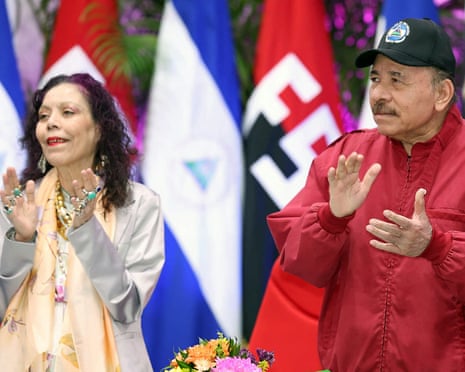
Nicaragua's government, led by President Daniel Ortega and Vice President Rosario Murillo since 2007, has long maintained a firm grip on power through security forces and judicial mechanisms. This latest operation fits a pattern of preemptive arrests against individuals seen as threats to regional allies. Ortega's administration has historically viewed criticism of Maduro—Nicaragua's key partner in the Bolivarian Alliance for the Peoples of Our America (ALBA)—as a direct challenge to its own stability.
Escalating Ties and Repression
The detentions occur against the backdrop of Nicaragua's enduring alliance with Venezuela, forged during the early 2000s under leftist solidarity. Venezuela has provided Nicaragua with substantial oil subsidies via Petrocaribe, helping Ortega weather economic sanctions and domestic protests. In return, Managua has offered diplomatic support to Maduro, including recognition of his government amid international disputes over Venezuela's 2018 and subsequent elections.
Nicaragua's political climate has been volatile since massive protests erupted in 2018 against Ortega's social security reforms, which morphed into broader calls for democratic change. Security forces responded with lethal force, resulting in over 300 deaths according to human rights groups like Amnesty International and Human Rights Watch. In the years since, the regime has dismantled opposition structures: exiling or jailing presidential hopefuls, shuttering independent media, and revoking the legal status of NGOs and universities. By 2023, more than 200 political prisoners had been released under international pressure, but repression persisted.
The current arrests signal a reactivation of these tactics, now extending to perceived threats against Maduro. Nicaraguan state media has not yet commented extensively, but past patterns suggest official statements will frame the detainees as "terrorists" or "imperialist agents" backed by the United States or regional foes. The U.S. State Department has repeatedly sanctioned Ortega allies for human rights abuses, including restrictions on over 50 officials as of late 2024.
Regional Context and International Response
This incident unfolds amid broader Latin American geopolitical shifts. Maduro's Venezuela faces ongoing economic collapse, hyperinflation, and migration crises, with over 7.7 million Venezuelans fleeing since 2014, per United Nations data. Nicaragua itself grapples with similar outflows, with remittances from exiles propping up its economy. The Ortega-Murillo duo's control has been further consolidated through 2021 elections boycotted by opposition, securing over 75% of votes in a process deemed fraudulent by the Organization of American States (OAS).
Internationally, the arrests may draw scrutiny from bodies like the Inter-American Commission on Human Rights (IACHR), which has documented over 1,600 arbitrary detentions in Nicaragua since 2018. The European Union and Canada have imposed targeted sanctions, while allies like Russia and China provide economic lifelines. No immediate reactions from foreign governments have been reported as of January 10, but advocacy groups are likely to monitor for due process violations.
Civil unrest in Nicaragua remains subdued compared to 2018 peaks but simmers through sporadic protests and underground dissent. Economic woes—exacerbated by U.S. sanctions under the RENACER Act and plummeting exports—fuel discontent, with GDP growth stagnating below 3% in recent years per World Bank figures.
Outlook Amid Persistent Instability
As investigations into the detainees proceed, Nicaragua's government appears poised to use the Maduro-related allegations to justify broader surveillance and arrests. This could deter opposition activities ahead of any future electoral cycles, though Ortega's term extends to 2027. Human rights observers warn that such actions risk further isolating Managua diplomatically while deepening internal divisions.
The events of January 10 represent a microcosm of Nicaragua's intertwined domestic and foreign policy challenges: loyalty to ideological allies like Maduro bolsters the regime's narrative of resistance against "external interference," even as it stifles free expression. With no confirmed trials or releases announced, the fate of those arrested hangs in balance, potentially amplifying calls for international intervention.
(Word count: 612)






