
Nepal Braces for Escalating Tensions: Ex-PM Oli Grilled on Deadly Protest Crackdown Amid Fresh Border Curfew
KATHMANDU, Nepal — Nepal's fragile political landscape faced renewed scrutiny this week as former Prime Minister K.P. Sharma Oli appeared before a government commission to answer questions about a violent crackdown on youth-led protests that precipitated his government's downfall in September 2025. Just days later, religious tensions erupted in the southern border city of Birgunj, prompting authorities to impose a strict curfew with shoot-on-sight orders, highlighting the country's ongoing struggles with civil unrest.
The questioning of Oli, a prominent leader of the Communist Party of Nepal-Unified Marxist Leninist (CPN-UML), began on January 4, 2026. A government-appointed commission is investigating the deadly response to a widespread youth uprising that ultimately led to the overthrow of Oli's administration. The protests, driven by demands for systemic change amid economic woes and governance failures, marked a pivotal moment in Nepal's turbulent recent history. Security forces' heavy-handed tactics during the unrest resulted in multiple fatalities, fueling public outrage and accelerating the political shift.
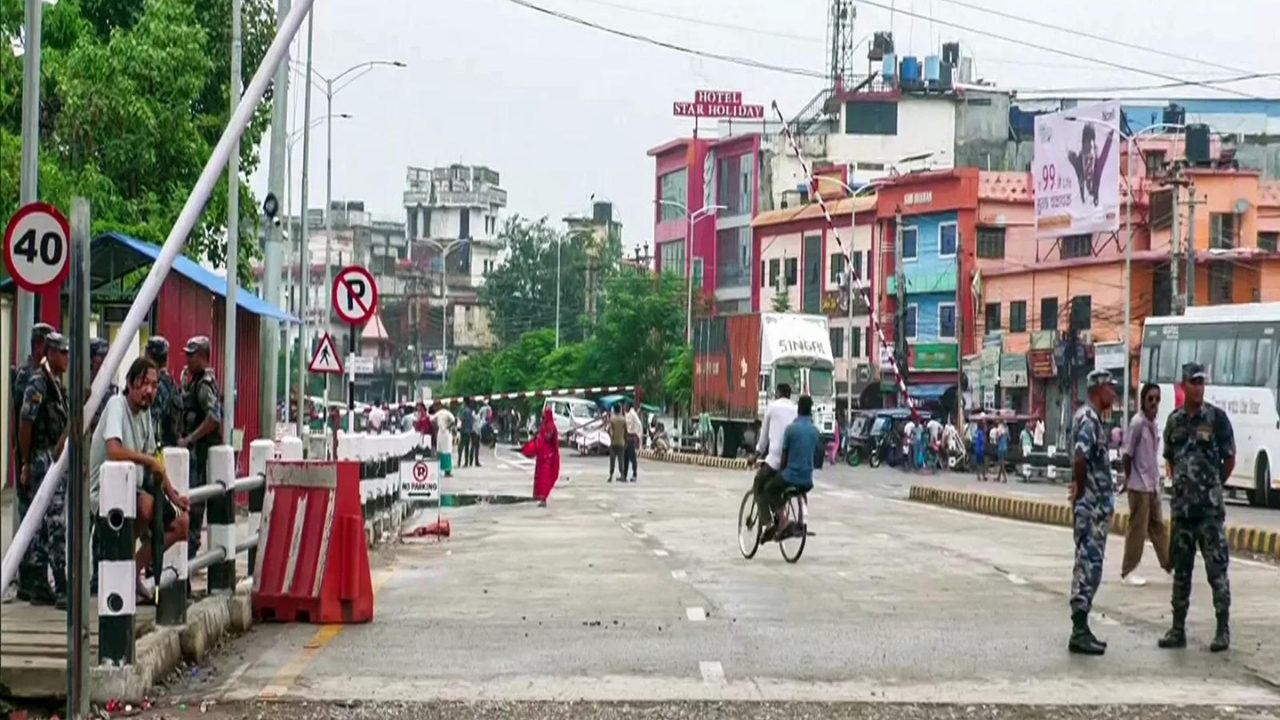
This development coincides with fresh disturbances in Birgunj, a key trade hub near the Indian border in Parsa district. According to reports, the unrest stemmed from a provocative TikTok video originating in neighboring Dhanusha district, which ignited religious tensions between local communities. What began as isolated flare-ups quickly escalated, with two opposing groups staging simultaneous demonstrations despite an existing prohibitory order. In response, authorities extended a curfew across the border area on January 6, 2026, empowering security personnel with shoot-on-sight authority to quell potential violence. The measures have caused significant disruptions to daily life, commerce, and cross-border movement, underscoring the volatility of Nepal's Terai region.
Nepal's southern plains, including Birgunj and Dhanusha, have long been flashpoints for communal clashes, often exacerbated by social media. The area, home to diverse ethnic and religious groups including Madhesis, Muslims, and Hindus, shares cultural and economic ties with Bihar state in India. Similar incidents in the past, such as the 2015-2016 Madhesi protests over federal boundaries, have led to blockades and economic losses running into billions.
Political Context and Historical Backdrop
K.P. Sharma Oli's political career exemplifies Nepal's rotational instability since the end of monarchy in 2008 and the adoption of a federal republic. Oli, 73, has served as prime minister three times: from 2015-2018, 2018-2021, and briefly in 2024 before another coalition shift brought Pushpa Kamal Dahal "Prachanda" back to power. His most recent tenure ended abruptly in September 2025 following the youth-led protests, which accused his government of corruption, youth unemployment, and failure to address post-COVID economic recovery. Nepal's unemployment rate among youth hovers around 20%, per World Bank data, contributing to widespread disillusionment.
The commission probing Oli represents a broader accountability push under the current coalition government, comprising Prachanda's Maoist Centre, the Nepali Congress, and smaller parties. Oli, known for his nationalist rhetoric and infrastructure pushes like the Millennium Challenge Corporation projects with the U.S., has denied wrongdoing, framing the inquiry as politically motivated. "This is an attempt to rewrite history," Oli stated in a recent party address, according to local media.
Meanwhile, the Birgunj incident reflects deeper societal fault lines. Nepal, with a population of about 30 million, is predominantly Hindu (81%) but hosts significant Muslim (4.4%) and other minorities in the Terai. Social media has amplified such conflicts; a 2023 study by the Nepal Internet Foundation noted a 300% rise in hate speech incidents online since 2020. Indian media, including the Times of India, highlighted the proximity to Raxaul on the Indian side, raising concerns over spillover effects on bilateral trade, which exceeds $8 billion annually.
Government Response and Regional Implications
Nepali Home Minister Ramesh Lekhak confirmed the curfew extension, urging calm and promising investigations into the video's origins. Police deployed additional forces, including the Armed Police Force, to maintain order. No official casualty figures have been released from Birgunj, but eyewitness accounts describe tense standoffs.
The dual crises come amid Nepal's preparations for local elections later in 2026 and ongoing economic pressures, including inflation above 6% and remittances—comprising 25% of GDP—under strain from global slowdowns. Analysts note that civil unrest risks derailing the government's fiscal plans, including a $500 million IMF loan program initiated in 2024.
As investigations proceed, both events signal persistent challenges to stability in the Himalayan nation. The Oli commission's findings, expected in coming months, could reshape opposition dynamics, while de-escalation in Birgunj remains critical to prevent broader communal violence. Nepal's leadership has called for unity, but history suggests that unresolved grievances often resurface.
(Word count: 712)






