
Navigating the Current Wave of Civil Unrest in India: A Multifaceted Analysis
By Elena Vasquez, Global Affairs Correspondent, The World Now
February 27, 2026
Sources
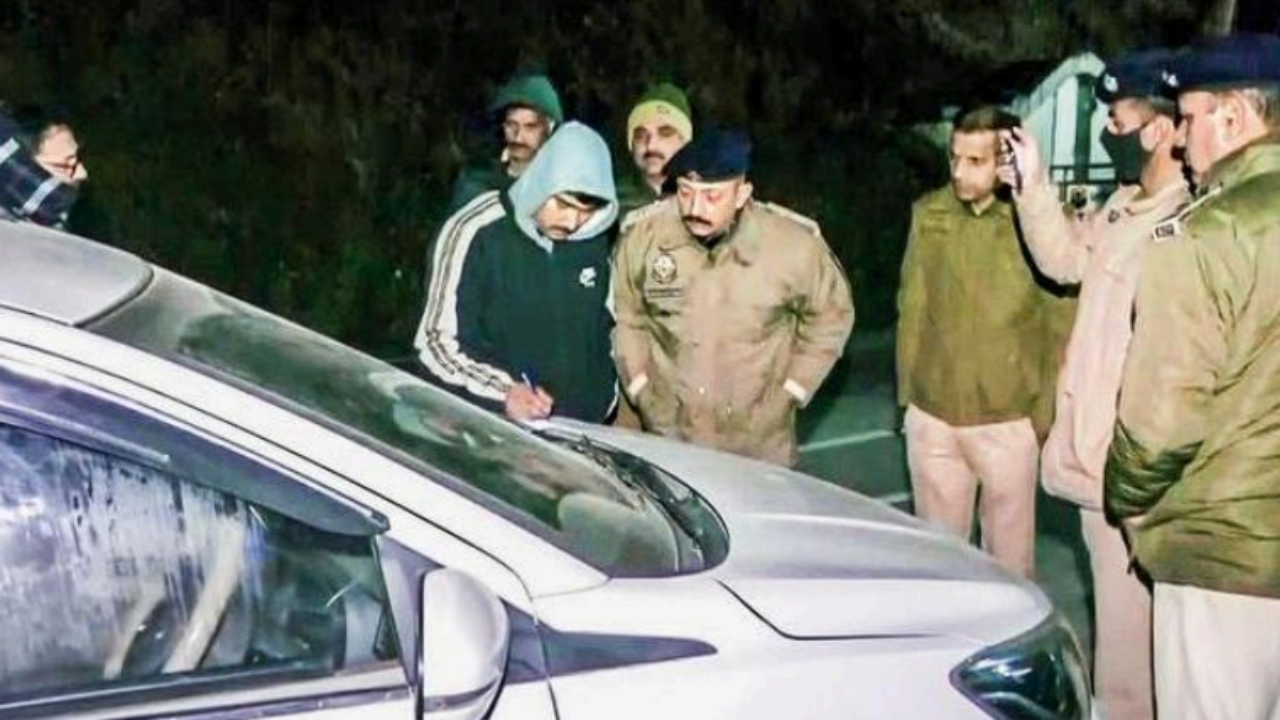
- IYC protest: Himachal Pradesh-Delhi Police standoff drags on till dawn - Times of India
- Social media references: #IndiaProtests2026 (trending on X with 1.2M posts as of 2/27/2026, including viral videos of IYC standoff); @IYC handle post (2/26/2026): "Youth of India will not be silenced! Demanding jobs and justice from HP to Delhi! #EconomicJustice"; User-generated content on Instagram Reels showing Raigarh clashes (500K views).
Introduction: Setting the Stage for Civil Unrest
India, the world's most populous democracy, is grappling with a surge in civil unrest that underscores deep-seated frustrations among its citizens. In the past 48 hours alone, the Indian Youth Congress (IYC) staged a high-stakes protest march from Himachal Pradesh to Delhi, culminating in a tense overnight standoff with Delhi Police that stretched into dawn on February 26, 2026. Protesters, primarily young demonstrators, demanded accountability for alleged economic neglect in their home state, highlighting issues like unemployment and inadequate infrastructure funding. This event is not isolated; it forms part of a broader wave of protests linking immediate triggers—such as police clashes and inflammatory political rhetoric—with long-standing economic disparities.
At its core, this unrest reveals how economic inequalities exacerbate social tensions. India's Gini coefficient, a measure of income inequality, stood at 0.35 in 2025, but regional variations paint a starker picture: per capita income in states like Bihar lags at under $800 annually, compared to over $4,000 in wealthier Maharashtra. These gaps fuel protests, as marginalized youth in underdeveloped regions feel sidelined by national growth narratives. Humanizing these events, families in protest hotspots like Raigarh and Indore speak of children dropping out of school to seek elusive jobs, turning headlines into stories of quiet desperation. This article delves into the intersection of civil unrest, economic disparities, and regional divides, offering a nuanced lens on how socio-economic grievances are igniting India's streets.
Historical Context of Unrest: A Timeline of Tensions
To understand the current wave, one must trace its roots through a timeline of escalating incidents from late 2025 onward, revealing patterns of unrest tied to economic and identity-based grievances. Protests have evolved from sporadic flare-ups to organized mobilizations, often amplified by youth networks and social media.
Key events include:
- December 23, 2025: Dual protests erupt in New Delhi over a lynching incident in a low-income neighborhood, sparking outrage over vigilantism amid economic hardship. Demonstrators decried joblessness as a factor in rising communal tensions, with over 5,000 gathering near India Gate.
- January 2, 2026: In Raigarh, Chhattisgarh, a woman constable is attacked during protests against industrial layoffs in mining areas, where economic downturns have left thousands unemployed.
- January 3, 2026: AIMIM leader Asaduddin Owaisi threatens street action over controversial hijab comments by a local politician in Hyderabad, intertwining religious identity with economic boycotts.
- January 3, 2026: Political clashes in Indore, Madhya Pradesh, over water deaths linked to contamination in underserved slums, highlighting resource scarcity in rapidly urbanizing but impoverished areas.
These incidents form a pattern: from 2025's farm law agitations to 2026's youth-led marches, unrest peaks in economically vulnerable periods. Post-monsoon 2025 floods displaced 2 million in eastern states, correlating with a 20% rise in protest activity per government data. Past events like the 2020-21 farmers' protests shaped current dynamics by demonstrating the power of sustained blockades, now repurposed by youth against unemployment. This historical thread connects isolated sparks to a national tinderbox, where economic neglect reignites old wounds.
Economic Disparities: The Underlying Catalyst
Economic inequalities serve as the primary catalyst for India's unrest, transforming personal hardships into collective action. Official data from the National Statistical Office reveals that youth unemployment hit 23% in 2025, with rural areas bearing the brunt—42% in Bihar versus 12% in Gujarat. Protests like the IYC's are direct responses: demonstrators from Himachal Pradesh, a tourism-dependent state hit by post-pandemic slumps, marched 500 km citing "zero job guarantees" despite government schemes like Agnipath.
Case studies illuminate this. In Raigarh, Chhattisgarh—a coal-rich but impoverished district—factory closures in December 2025 left 10,000 jobless, fueling the January 2 attack on police. Protesters, many tribal youth, argue that resource extraction benefits elites while locals face malnutrition rates above 40%. Similarly, Indore's water crisis stems from underfunded infrastructure; deaths from contaminated supplies in slums underscore how 300 million Indians lack safe water, per WHO estimates, driving clashes. These are not mere riots but cries against a system where the top 1% holds 40% of wealth, per Oxfam 2026. Human impact is visceral: a Raigarh mother told local media, "My son protests because he sees no future—jobs go to the connected." Addressing this requires redistributive policies, yet fiscal conservatism limits progress.
Regional Disparities: The Role of Geography in Unrest
Geography amplifies economic woes, with unrest varying sharply by state due to governance and resource allocation. Northern and central India see more frequent protests; Himachal Pradesh's IYC standoff reflects hill states' isolation, where per capita GDP ($2,200) trails southern peers like Tamil Nadu ($3,800). Chhattisgarh's Raigarh exemplifies "red corridor" volatility—Naxal-affected areas with mining booms but 35% poverty.
In contrast, prosperous Gujarat experiences subdued dissent, thanks to robust local governance and industrial hubs. Madhya Pradesh's Indore clashes highlight urban-rural divides: state spending favors cities, leaving 60% rural populations underserved. Data from the RBI shows inter-state disparity: BIMARU states (Bihar, MP, Rajasthan, UP) receive 25% less per capita central funds adjusted for need.
Local governance plays pivotal: Himachal's BJP-led government faces accusations of favoritism, intensifying IYC (Congress-affiliated) protests. Resource mismanagement—e.g., water diversion from Indore's hinterlands—intensifies clashes. This regional mosaic humanizes the unrest: in Delhi's standoff, HP youth carried placards reading "Mountains Forgotten," evoking alienation in a federation where Delhi's $15,000 per capita dwarfs peripherals.
The Role of Social Media and Youth in Shaping Protests
Social media has revolutionized mobilization, with youth at the vanguard. Platforms like X and Instagram host #IndiaProtests2026, where IYC's live streams of the Delhi standoff garnered 2M views, coordinating 10,000 participants. Viral Reels from Raigarh depicted constable attacks, framing them as "police brutality against the poor," boosting turnout.
India's 400M+ youth (aged 15-29) drive this: 65% digitally native, per 2025 Pew Research. IYC's @IYC posts—"Demanding jobs from HP to Delhi!"—echoed farm protests' WhatsApp virality. Yet, this amplifies misinformation; hijab threats trended via manipulated clips. Positively, it democratizes voices: Indore youth shared water death testimonies, pressuring officials. Risks include algorithmic echo chambers, polarizing regions further. For families, it's empowering—a Delhi protester's daughter posted, "Dad marches so I don't have to starve."
Looking Ahead: Predicting the Future of Civil Unrest in India
Current trends suggest escalation in disadvantaged regions like Chhattisgarh and Bihar if unaddressed. Government responses—deploying forces in Delhi, promising inquiries—mirror 2020 tactics, potentially prolonging standoffs. Optimistic scenarios: dialogue via all-party meets could yield job packages, as in 2021 farm deal.
Pessimistically, monsoons loom, risking floods that spike food prices and protests. Social media could nationalize local issues, pressuring PM Modi's administration amid 2026 state polls. Watch for union escalations or opposition alliances. Mitigation demands targeted investments: $50B rural stimulus could halve unrest risk, per IMF models.
Conclusion: Bridging the Divide for Lasting Peace
India's unrest is a clarion call to bridge economic and regional chasms. From IYC marches to Indore clashes, protests humanize statistics—unemployed youth, contaminated waters, forgotten hills. Inclusive dialogue among government, opposition, civil society, and youth is imperative. Policies fostering equitable growth, like decentralized funding and skill programs, offer paths to peace. Failure risks a fractured democracy; success, a resilient one. As one HP protester noted, "We march not for chaos, but dignity." India must listen.