
Navigating Tensions: The Implications of Recent Maritime Conflicts Between Cuba and the U.S.
By Viktor Petrov, Conflict & Security Correspondent, The World Now
February 26, 2026
In the shadowed waters between Florida and Cuba, a deadly confrontation has reignited longstanding frictions, echoing the perilous maritime standoffs of the Cold War era. On February 25, 2026, a Cuban coast guard engagement resulted in the deaths of four individuals aboard a U.S.-registered speedboat, raising urgent questions about U.S.-Cuba relations. This article delves into the broader implications of the incident, examining socio-economic drivers, the influence of the Cuban diaspora, and potential diplomatic pathways forward, drawing parallels to historical tensions that once brought the superpowers to the brink.
Overview of the Recent Incident
On February 25, 2026, a firefight erupted in Cuban territorial waters approximately 10 nautical miles off the island's northern coast, resulting in the deaths of four individuals on board a Florida-registered speedboat. According to the Cuban Ministry of the Interior, the vessel—identified as stolen from a Miami marina—illegally entered Cuban waters in an attempt to "infiltrate" the country. Cuban coast guard forces opened fire after the boat ignored warnings and allegedly responded with gunfire, killing all four occupants, whom Havana labeled as "criminal suspects" linked to counterrevolutionary activities.
The Cuban government released photos and video footage showing the speedboat riddled with bullet holes and the bodies of the deceased, emphasizing that the action was a legitimate defense of sovereignty under international maritime law, specifically citing Article 110 of the UN Convention on the Law of the Sea (UNCLOS), which permits warships to board and inspect suspicious vessels. Havana accused the U.S. of harboring "terrorist" elements plotting against the revolution, framing the incident as part of a pattern of provocations.
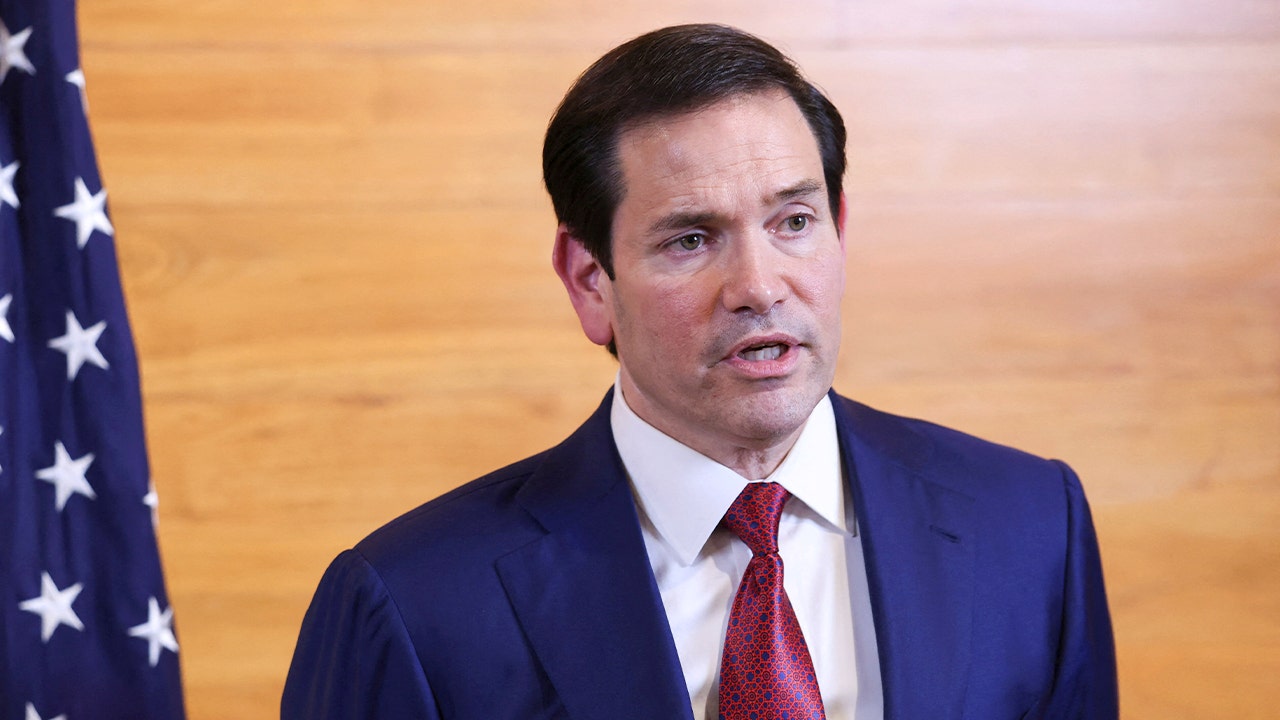
From the U.S. perspective, the response has been measured but skeptical. The U.S. Coast Guard and State Department confirmed the boat's registration in Florida and announced an investigation into the circumstances, including whether the vessel was indeed stolen and the identities of those aboard. Florida Republican Rep. Randy Fine told Newsmax, "We can't take Cuba at its word," demanding transparency and warning that "the communists will render accounts." Sen. Marco Rubio (R-FL), whose state hosts a large Cuban-American community, described the event as "highly unusual" on Fox News, withholding judgment pending forensic evidence but noting the boat's civilian nature.
This clash underscores vulnerabilities in maritime law enforcement amid porous borders, where jurisdictional ambiguities can escalate quickly. The incident's proximity to Florida—less than 100 miles—amplifies domestic U.S. political pressures, potentially straining bilateral communications channels established under the Obama-era thaw.
Historical Context: Maritime Incidents in U.S.-Cuba Relations
Maritime confrontations have long symbolized the ideological chasm between Washington and Havana, with the 2026 shootout fitting a pattern traceable to the Cold War. During the 1960s, U.S. naval blockades and Cuban patrols clashed amid the Cuban Missile Crisis (1962), where Soviet submarines and U.S. destroyers played chicken in the Florida Strait, nearly triggering nuclear war. Defection attempts by Cuban pilots and swimmers were routine, often met with live fire from Havana.
The 1980 Mariel Boatlift saw over 125,000 Cubans flee to Florida in makeshift vessels, prompting U.S. interdictions and Cuban blockades. Tensions peaked again in the 1994 Balsero (Rafter) Crisis, when 30,000 Cubans braved the Straits of Florida on rafts; the Clinton administration's "wet foot, dry foot" policy incentivized such voyages until its 2017 repeal. More recently, post-2021 protests amid Cuba's economic meltdown have spurred a surge in irregular migration, with U.S. Coast Guard repatriating over 6,000 Cubans in 2025 alone.
These precedents shape today's dynamics: Cuba views incursions as U.S.-backed subversion, recalling CIA operations like the Bay of Pigs (1961), while Washington sees them as humanitarian outflows from repression. Social media amplifies this—X posts from accounts like @CubaLibreFL (verified Cuban exile) on February 25 declared, "Another bloodbath by Castro's thugs—time for sanctions!" contrasting Cuban state media's narrative of foiled "mercenaries." This historical lens explains Havana's hair-trigger response and U.S. reluctance to fully endorse Cuba's account, perpetuating a cycle of mistrust.
Socio-Economic Factors Driving Conflict
Cuba's deepening crisis—marked by blackouts, food shortages, and 40% inflation in 2025—fuels desperate sea crossings. GDP contracted 2% last year amid U.S. sanctions, tourism slumps, and failed agricultural reforms, per UN reports. Over 500,000 Cubans emigrated legally in 2022-2025, but irregular maritime routes persist, with smugglers charging $10,000 per head for speedboat runs to Florida.
The Cuban diaspora, numbering 2.4 million in the U.S. (mostly Florida), plays a pivotal role. Miami's "Little Havana" wields electoral clout—Cuban-Americans voted 60% Republican in 2024—pushing hawkish policies. Groups like the Cuban American National Foundation fund dissidents and monitor waters, sometimes blurring lines with smuggling networks. Repatriated migrants share stories of abuse, hardening U.S. stances; a viral TikTok from a 2025 survivor garnered 5 million views, decrying Cuban patrols as "pirates."
These factors transform economic desperation into geopolitical flashpoints, where individual gambles risk state-level escalation, mirroring Cold War defections but amplified by social media and diaspora lobbying.
International Reactions and Humanitarian Considerations
Global responses have been muted but pointed. The Kremlin, via spokesperson Dmitry Peskov, warned on February 26 that the "Cuba situation is escalating" and urged addressing "humanitarian needs," per Philenews—a nod to Moscow's alliance with Havana, including $2 billion in credits since 2022. Latin American nations like Argentina's Clarín reported U.S. vows of accountability, while France 24 highlighted the firefight's brutality.
Humanitarian fallout looms: The deceased—possibly Cuban-Americans or defectors—prompt calls for independent probes. UNHCR data shows 200,000 Cuban asylum claims globally since 2021. U.S. policy may pivot; Biden's 2022 sanctions relief could reverse amid Florida pressures, but humanitarian lobbies advocate remittances and family reunifications to stem flows.
Forecasting Future Tensions and Diplomatic Opportunities
Likelihood of recurrence is high (70-80%, per migration trends), with 2026 projections of 10,000+ interdictions absent policy shifts. Escalation scenarios include U.S. naval patrols or sanctions if evidence shows Cuban overreach, evoking 1996's Brothers to the Rescue shootdown. De-escalation hinges on quiet diplomacy—backchannel talks via Mexico or the Vatican, as in 2013's prisoner swaps.
Opportunities abound: Joint maritime patrols under UNCLOS, modeled on U.S.-Haiti accords, or migration pacts like 1994's. Diaspora influence could soften if humanitarian visas expand, reducing smuggling incentives. Historical precedents, like post-Mariel dialogues, suggest multilateral forums (OAS, UN) as venues for trust-building.
Conclusion: A Call for Strategic Engagement
The 2026 incident demands strategic diplomacy over rhetoric to avert wider instability. Multilateral mediation—via CARICOM or the UN—could enforce maritime norms, addressing root causes like Cuba's woes and U.S. embargo. Washington should prioritize humanitarian corridors, while Havana eases exit visas, fostering stability in a hemisphere weary of Cold War echoes. Failure risks a flotilla crisis redux, but bold engagement offers a path to normalized ties.
What This Means
The recent maritime conflict between Cuba and the U.S. serves as a stark reminder of the fragile nature of bilateral relations. The incident not only exacerbates existing tensions but also highlights the urgent need for diplomatic engagement. As both nations navigate this precarious situation, the potential for future conflicts looms large, necessitating proactive measures to ensure stability in the region.






