
Nationwide Protests Intensify Over Fatal ICE Shooting in Minneapolis, Draw Crowds in San Francisco
Tens of thousands of demonstrators took to the streets in Minneapolis and multiple other U.S. cities over the weekend, protesting the fatal shooting of a 37-year-old mother by an Immigration and Customs Enforcement (ICE) agent during a traffic stop. The unrest, marked by the slogan "ICE, Out for Good," has spread amid broader opposition to federal immigration enforcement policies under the Trump administration, with a significant protest unfolding in San Francisco on Sunday.
The demonstrations were triggered by the January 7 shooting of Renee Good in Minneapolis. An ICE officer opened fire on Good during a routine traffic stop, killing her and sparking immediate local outrage. Local leaders have condemned the incident, criticizing federal immigration policies as overly aggressive. Protests erupted shortly after, culminating in large-scale marches on Saturday, January 10, across Minneapolis and other cities. Organizers have announced additional rallies planned for this weekend in various towns, signaling sustained momentum against what they describe as mass deportation efforts.
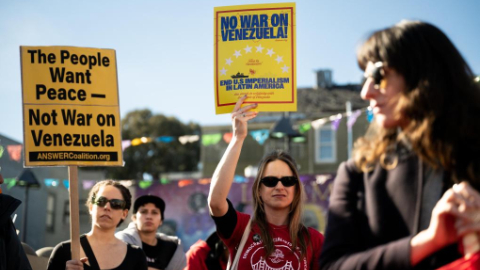
In San Francisco, a protest drew a significant crowd on Sunday morning, local time, further highlighting the national scope of the unrest. While specific details on the San Francisco event's demands remain limited, it aligns with the wave of demonstrations criticizing ICE actions and immigration enforcement.
Details of the Minneapolis Incident and Protests
The fatal encounter in Minneapolis occurred on Wednesday, January 7, when an ICE officer shot and killed Renee Good, a 37-year-old mother, during a traffic stop. The incident has fueled accusations of excessive force and has become a flashpoint for debates over the role of federal immigration authorities in local policing. Protesters in Minneapolis marched in the tens of thousands on Saturday, chanting "ICE, Out for Good" and decrying the Trump administration's immigration agenda, which includes ramped-up deportations.
The France 24 report detailed how the Minneapolis rally expanded to other unidentified U.S. cities, reflecting widespread discontent. Additional protests are scheduled for the coming weekend, potentially amplifying the movement. Local condemnation has been swift, with officials questioning the appropriateness of ICE involvement in standard traffic enforcement and calling for reviews of federal protocols.
Photographic evidence from Xinhua captured attendees at the San Francisco protest, which began around 8:08 a.m. GMT on January 11 (midnight Pacific Time). The event underscores how the Minneapolis shooting has galvanized activists nationwide, linking local grievances to national policy critiques.
Background on ICE Operations and Immigration Tensions
Immigration and Customs Enforcement (ICE), a component of the U.S. Department of Homeland Security, is tasked with enforcing federal immigration laws, including deportations and border security. Under the second Trump administration, which began in January 2025 following the 2024 election victory, ICE has intensified operations aimed at mass deportations. These efforts, promised during the campaign, target undocumented immigrants and have included workplace raids, expanded detention facilities, and increased street-level enforcement.
Such policies have historically sparked civil unrest. During Trump's first term (2017-2021), similar ICE actions led to protests in cities like Los Angeles, New York, and sanctuary jurisdictions opposing federal overreach. Sanctuary cities, including San Francisco and Minneapolis, limit local cooperation with ICE to protect undocumented residents. The Good shooting revives these tensions, with critics arguing it exemplifies the risks of militarized immigration enforcement bleeding into everyday policing.
Both events carry medium severity ratings in civil unrest tracking, indicating notable public mobilization without reports of widespread violence or arrests at this stage. The San Francisco protest, starting just days after the shooting, suggests a coordinated response across regions with strong immigrant communities.
Outlook Amid Escalating Demonstrations
As more rallies are planned, authorities in affected cities are preparing for potential crowd management challenges. The "ICE, Out for Good" campaign has gained traction online and through grassroots networks, potentially drawing larger numbers if the investigations into Good's death reveal procedural lapses.
Federal officials have not yet released a full statement on the shooting, but ICE operations continue amid political pressure. The unrest highlights deepening divisions over immigration, a perennial issue in U.S. politics, as the nation grapples with enforcement priorities versus humanitarian concerns.
These events occur against a backdrop of economic recovery and policy shifts post-2024 elections, where immigration ranked high among voter priorities. Whether the protests evolve into sustained advocacy or dissipate will depend on official responses and judicial outcomes.
(Word count: 612)