
Nationwide Protests Intensify in US Over Fatal ICE Shooting, Political Comparisons, and International Hearings
New York/Washington, January 10, 2026 – The United States is grappling with a wave of civil unrest as protests erupt in major cities over a fatal shooting by Immigration and Customs Enforcement (ICE) agents in Minneapolis, a high-profile courtroom hearing involving Venezuelan President Nicolás Maduro, and inflammatory social media rhetoric from civil rights groups. Demonstrations, ranging from medium severity gatherings outside federal buildings, have drawn thousands and highlighted deep divisions over law enforcement, immigration policy, and political accountability.
The flashpoint for much of the recent unrest is the January shooting death of Renee Nicole Macklin Good, also referred to as Renee Good, by an ICE agent in Minneapolis. Federal officials, including the Department of Homeland Security (DHS), have classified the agent's actions as justified self-defense against what they described as "domestic terrorism." However, local city leaders and eyewitness accounts, supported by video evidence, sharply contradict this narrative, portraying the incident as unjustified and calling for full accountability. Investigations into the shooting remain ongoing, fueling outrage among demonstrators who view it as emblematic of broader concerns about federal overreach in immigration enforcement.
Protests linked to the incident have spread nationwide, with a massive rally in New York City drawing particular attention. On January 9, crowds gathered to condemn DHS Secretary Kristi Noem, chanting "Killer Kristi!" in reference to her oversight of ICE operations. Demonstrators accused federal authorities of shielding the agent responsible, while some reports noted efforts by supporters of former President Donald Trump—often aligned with the MAGA movement—to defend the shooting as a necessary response to threats. The New York protest underscores escalating tensions, as similar actions have emerged in other cities amid disputes between local and federal narratives.
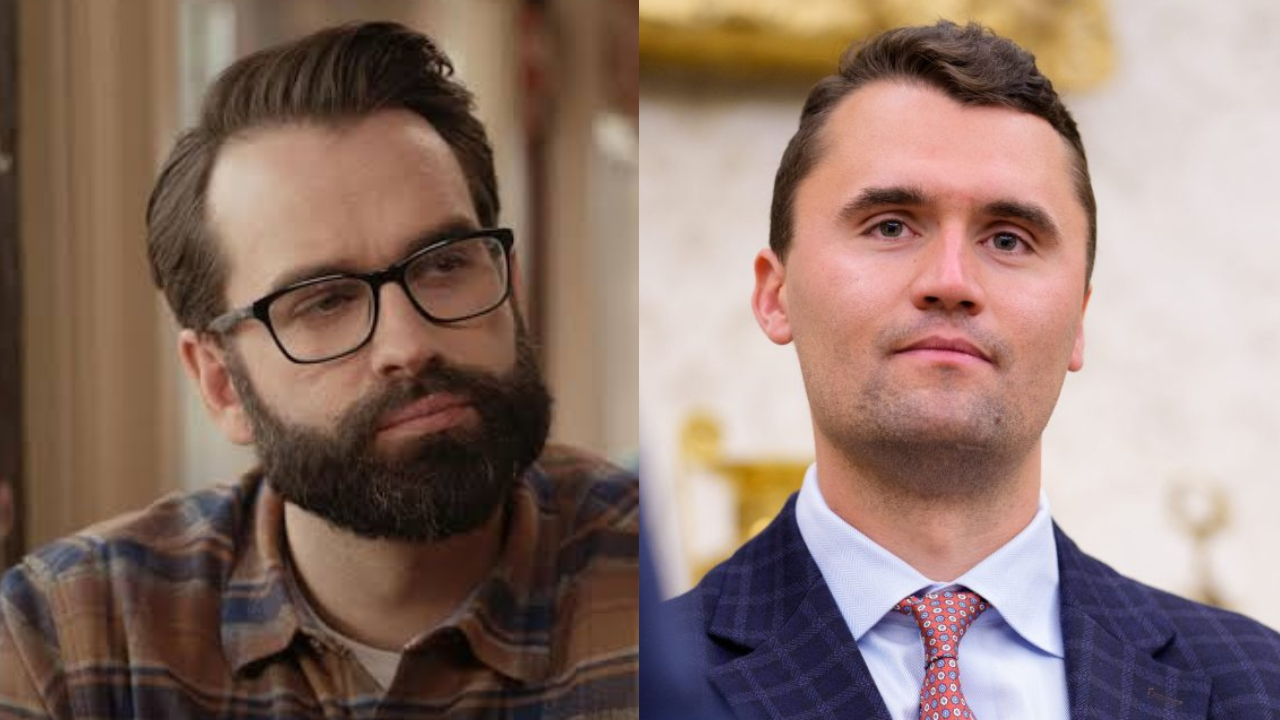
Compounding the friction, the National Association for the Advancement of Colored People (NAACP) amplified the discourse with a social media post on January 9 comparing ICE agents to Ku Klux Klan (KKK) members. The post, which went viral amid the ongoing protests over Good's death, drew sharp rebuke from conservative commentator Matt Walsh. In a widely shared response, Walsh rejected online attempts to equate the Minneapolis shooting with a prior assassination attempt on Turning Point USA founder Charlie Kirk, calling the comparisons "completely different" and cautioning against exploiting Good's death to incite unrest. "The cases were completely different," Walsh stated, warning of the risks of inflaming public disorder.
These ICE-related disturbances come alongside another notable episode of civil unrest in New York. On January 5, protests of medium severity unfolded outside a U.S. courtroom during a hearing involving Venezuelan President Nicolás Maduro. Demonstrators gathered to voice opposition linked to the proceedings, reflecting ongoing U.S.-Venezuela tensions over sanctions, elections, and Maduro's leadership amid international scrutiny.
Background and Context
ICE, a component of DHS, is tasked with enforcing federal immigration laws, including deportations and border security. The agency has long been a polarizing force, praised by supporters for upholding the rule of law and criticized by opponents for aggressive tactics and racial profiling allegations. Secretary Noem, a prominent Republican and former South Dakota governor known for her alignment with Trump-era policies, assumed her role amid a renewed focus on mass deportations following the 2024 elections.
The Minneapolis incident echoes past controversies, such as ICE raids and use-of-force cases that have sparked national debates. Similarly, the NAACP's rhetoric invokes historical parallels to the KKK, a white supremacist group infamous for violence against minorities during the Jim Crow era, highlighting persistent civil rights concerns. Walsh's intervention points to a conservative pushback against what he and others see as politicized narratives equating law enforcement with extremism.
The Maduro hearing protest ties into broader geopolitical frictions. Maduro, in power since 2013, faces U.S. accusations of election fraud and human rights abuses, with ongoing legal actions in American courts related to sanctions evasion and asset seizures. Such events often mobilize Venezuelan-American communities and human rights advocates in U.S. cities like New York, home to a large diaspora.
Outlook
As investigations into the Good shooting continue, city-federal clashes persist, with local officials challenging DHS claims. Protests show no signs of abating, raising concerns about escalation amid polarized media coverage. Political figures on both sides have weighed in, with MAGA voices defending federal actions and progressive groups demanding reforms. Whether these incidents coalesce into sustained unrest or dissipate with investigative outcomes remains uncertain, but they underscore simmering divisions in an election-weary nation.
Authorities have urged peaceful expression while monitoring for violence. No major injuries or arrests from the reported New York gatherings have been confirmed, though the medium severity classification signals potential for growth. In a statement typical of federal responses, DHS has reaffirmed its commitment to officer safety without commenting on specifics.
(Word count: 712)






