
Myanmar Proceeds with Second Phase of Military-Run Election Amid Heightened Security and Recent Clashes
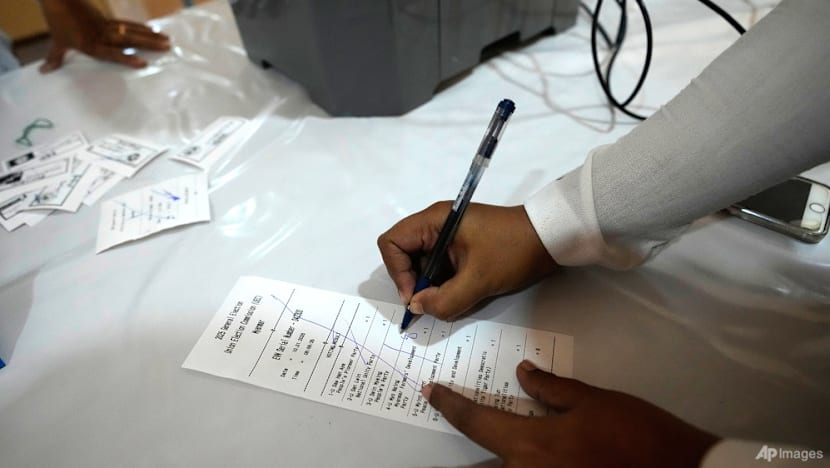
Yangon, Myanmar – Polling stations across Myanmar opened on Sunday at 6 a.m. local time for the second phase of a national election organized by the military junta, taking place in 100 townships nationwide, many of which have experienced recent clashes or maintain elevated security measures.
The voting process, which began at 01:37 GMT on January 11, 2026, reflects the junta's ongoing efforts to legitimize its rule through electoral means amid persistent civil unrest. This phase covers a significant portion of the country, including conflict-prone regions where armed confrontations between junta forces and opposition groups have intensified in recent months. Security has been markedly heightened around polling sites to ensure operations proceed, underscoring the volatile environment in which the election is unfolding.
Details of the Voting Process
According to reports, the second phase involves voting in 100 townships spread across Myanmar's diverse regions, from urban centers to remote ethnic minority areas. These locations include zones that have witnessed sporadic violence, such as skirmishes involving the military and various resistance factions. Polling stations are operating under strict military oversight, with personnel deployed to prevent disruptions.
The election follows the first phase, which occurred earlier, as part of the junta's broader plan to hold polls nationwide by 2026. However, the process has been marred by controversy from the outset. Opposition to the military administration, which seized power in a 2021 coup, remains strong, with many viewing the vote as neither free nor fair.
Context of Ongoing Civil Unrest
Myanmar has been gripped by civil unrest since the February 1, 2021, military coup that ousted the democratically elected government led by Aung San Suu Kyi's National League for Democracy (NLD). The takeover triggered widespread protests, which evolved into armed resistance involving the National Unity Government (NUG) – a shadow government formed by ousted lawmakers – and ethnic armed organizations (EAOs) such as the Arakan Army, Kachin Independence Army, and Karen National Union.
Recent months have seen escalated clashes, particularly in border regions and central areas. Junta forces have faced territorial losses, with resistance groups capturing key towns and military outposts. The United Nations and human rights organizations have documented thousands of civilian deaths, mass displacements, and allegations of atrocities on both sides. Over 3 million people remain internally displaced, according to UN estimates, complicating any electoral process.
The junta, officially known as the State Administration Council (SAC) led by Senior General Min Aung Hlaing, has defended the election as a step toward stability and constitutional rule. However, international observers, including the Association of Southeast Asian Nations (ASEAN), have expressed skepticism. ASEAN's Five-Point Consensus peace plan from 2021 remains unimplemented, and major NLD figures, including Suu Kyi, are imprisoned on charges widely seen as politically motivated.
Many townships slated for this voting phase are in areas of active conflict. For instance, regions in Sagaing, Magway, and Kayah states – strongholds of People's Defense Forces (PDFs) aligned with the NUG – have reported frequent ambushes and bombings. Heightened security includes troop deployments, checkpoints, and restrictions on movement, measures aimed at safeguarding the polls but criticized by activists as intimidation tactics.
Background on the Military's Electoral Push
This election marks the junta's first nationwide vote since the 2021 coup, which nullified the 2020 general election won overwhelmingly by the NLD. Preparations have included voter list revisions amid displacement and blackouts of internet services in restive areas. The polls are run by the Union Election Commission (UEC), appointed by the military, with participating parties largely pro-junta proxies. Major opposition groups, including the NLD (disbanded by the junta), have boycotted the process.
Phase one voting, held in select areas, reportedly saw low turnout in some locations due to security fears and apathy. Analysts note that even if completed, the election's legitimacy will be contested internationally, with Western nations imposing sanctions and withholding recognition.
Challenges and Security Measures
Polling in clash-affected areas highlights the junta's determination to proceed despite risks. Reports indicate that stations in secure zones opened smoothly, but in hotspots, operations rely on military escorts and temporary safe zones. Disruptions, such as arson attacks on polling materials or blockades by resistance groups, have been reported in prior phases, though specific incidents from this Sunday remain unconfirmed at time of publication.
Voter participation is a key metric, with the junta aiming to demonstrate public support. However, ongoing unrest – including drone strikes, airstrikes, and ground offensives – continues to displace communities and deter turnout.
Outlook
As the second phase continues through the day, attention turns to potential flashpoints and the junta's ability to extend voting to remaining phases. International monitors are absent, and reactions from China, Thailand, and India – key regional players – will influence perceptions. With civil unrest showing no signs of abating, the election risks deepening divisions rather than resolving Myanmar's protracted crisis.
The events underscore the entrenched conflict defining Myanmar's political landscape, where democratic aspirations clash with military control amid humanitarian challenges.
(Word count: 712)