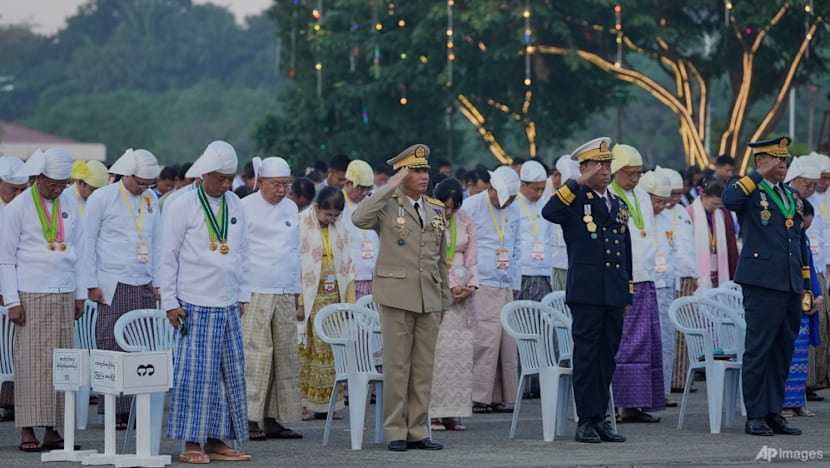
Myanmar Junta Releases Over 6,000 Prisoners in Independence Day Amnesty Amid Election Criticism

Latest from X
Myanmar Junta Releases Over 6,000 Prisoners in Independence Day Amnesty Amid Election Criticism
Yangon, Myanmar – On January 4, 2026, Myanmar's military junta marked the country's 78th Independence Day by granting amnesty to over 6,000 prisoners, a move that has drawn both attention and skepticism amid ongoing political turmoil. The release, announced by the National Defence and Security Council, includes 6,134 Myanmar nationals and 52 foreign prisoners who will be deported, according to state media reports. However, notable political figures, including ousted leader Aung San Suu Kyi, were not among those freed, raising questions about the junta's intentions.
The amnesty comes just a week after the start of a multi-stage general election, which has been widely criticized as a sham by international observers and opposition groups. The pro-military party reportedly secured 90% of the lower house seats in the initial phase, further intensifying accusations of electoral manipulation in a country still reeling from the 2021 military coup.
Details of the Amnesty
Junta chief Min Aung Hlaing personally authorized the release of the prisoners as part of an annual tradition tied to Myanmar's independence from British colonial rule in 1948. While state media portrayed the amnesty as a gesture of goodwill, specifics about the identities of those released remain scarce. The exclusion of high-profile political detainees, such as Aung San Suu Kyi—who has been imprisoned since the 2021 coup on charges widely seen as politically motivated—has fueled criticism that the move is more symbolic than substantive.
In a separate statement, the junta confirmed that the 52 foreign nationals released would be deported, though their nationalities and the reasons for their imprisonment were not disclosed. This lack of transparency has become a hallmark of the military regime, which has faced accusations of human rights abuses and mass detentions since seizing power.
Context of the Controversial Election
The prisoner release coincides with a contentious political moment in Myanmar. The junta-initiated election, which began in late December 2025, has been condemned as an attempt to legitimize military rule rather than a genuine democratic process. Critics argue that the elections were designed to entrench the power of the military-backed party, with opposition groups and ethnic minority factions largely excluded or suppressed.
International bodies, including the United Nations, have expressed concern over the electoral process, citing restrictions on political freedoms, censorship, and violence against dissenters. The timing of the amnesty, so close to the election's first phase, has led some analysts to view it as a calculated move to deflect criticism and project an image of leniency.
Background: Myanmar’s Ongoing Crisis
Myanmar has been in a state of crisis since the military overthrew the democratically elected government of Aung San Suu Kyi’s National League for Democracy (NLD) on February 1, 2021. The coup sparked nationwide protests, which were met with brutal crackdowns, resulting in thousands of deaths and widespread arrests. According to human rights organizations, tens of thousands of people, including activists, journalists, and politicians, remain in detention.
The military regime, led by Min Aung Hlaing, has struggled to maintain control amid ongoing resistance from armed ethnic groups and pro-democracy forces. Large swathes of the country are embroiled in conflict, with the junta facing significant military and political challenges. Aung San Suu Kyi, now 80, remains a symbolic figure for the pro-democracy movement, despite her controversial legacy tied to the Rohingya crisis during her tenure as state counselor.
Public and International Reaction
Posts on social media platforms like X reflect a mix of cautious hope and deep skepticism about the amnesty. Verified accounts from news outlets such as TRT World and The Hindu have reported on the release of over 6,000 prisoners, emphasizing the timing during the election period and the broader context of political repression. Many users and commentators online have noted the absence of prominent political figures among those freed, underscoring the perception that the amnesty does little to address the root causes of Myanmar’s crisis.
Internationally, the response has been muted, with few governments issuing statements on the prisoner release. The focus remains on the broader issues of democratic backsliding and human rights violations in Myanmar, with calls for sanctions and diplomatic pressure on the junta continuing to dominate global discourse.
Outlook: A Symbolic Gesture or a Turning Point?
While the release of over 6,000 prisoners offers a glimmer of relief for some families, it is unlikely to alter the fundamental dynamics of Myanmar’s political landscape. The exclusion of key figures like Aung San Suu Kyi, combined with the backdrop of a criticized election, suggests that the junta’s priorities remain focused on consolidating power rather than fostering reconciliation.
As Myanmar moves forward with additional phases of the election and ongoing conflict, the international community and local resistance movements will likely continue to scrutinize the military’s actions. For now, the Independence Day amnesty stands as a reminder of both the junta’s control over the nation’s future and the enduring challenges facing those who seek a return to democracy.
Track this story live
Live World Map
Monitor global events in real time with a live activity map and hotspot summaries.
Markets
Connect live events to Catalyst market signals across crypto, commodities, indices, and forex.
Geopolitical Risk
Live geopolitical risk index tracking conflict zones, sanctions, and global threat levels.
Original Sources
- •Myanmar junta frees hundreds of prisoners in annual amnesty— Channel News Asia
- •
Editorial process: This article was synthesized from the original sources cited above using The World Now's AI editorial system, with byline accountability from our editorial team. We grade every story for source grounding, factual coherence, and on-topic match before publication. Read more about our editorial standards and contributors. Spot something inaccurate? Let us know.
Last updated: June 6, 2026






