Myanmar Elections Branded a 'Sham' as Junta-Backed Party Dominates First Vote Phase

Latest from X
Myanmar Elections Branded a 'Sham' as Junta-Backed Party Dominates First Vote Phase
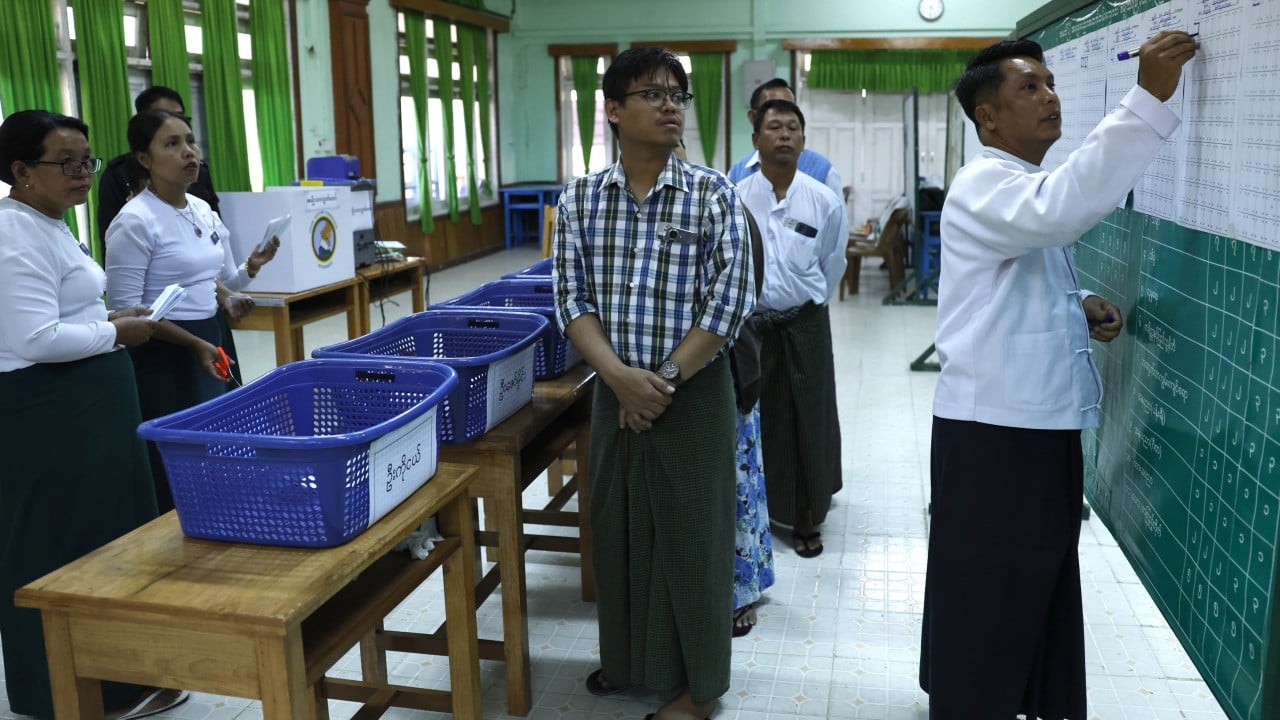
Yangon, Myanmar – The first phase of Myanmar's phased national elections, which concluded on January 2, 2026, has been met with widespread condemnation as a fraudulent exercise orchestrated by the ruling military junta. Official results published in state media on January 4 revealed that the pro-military Union Solidarity and Development Party (USDP) secured 90% of the lower house seats announced so far, intensifying accusations of electoral manipulation amid an ongoing civil war.
The military, which seized power in a February 2021 coup, has framed the month-long election process as a step toward restoring democracy. Voting began a week prior to the release of the initial results, with the junta claiming the staggered polling—conducted across different regions at different times—ensures security and accessibility. However, critics, including opposition groups and international observers, argue that the elections are a thinly veiled attempt to legitimize the junta’s grip on power. The military’s history of detaining political opponents, including Nobel laureate Aung San Suu Kyi, and suppressing dissent has further eroded trust in the process.
According to the South China Morning Post, the USDP’s landslide victory in the first phase has fueled outrage among pro-democracy activists and rebel groups, who have been locked in conflict with junta forces since the 2021 putsch. The civil war has displaced millions and devastated large swathes of the country, with ethnic armed organizations and the People’s Defense Force (PDF) challenging the military’s authority in many regions. Analysts note that the elections are unlikely to quell unrest, as opposition forces have vowed to reject the results and continue their fight for a democratic Myanmar.
Background of Crisis
Myanmar’s political landscape has been tumultuous for decades, marked by military rule and intermittent attempts at democratic reform. The 2021 coup overturned the results of the 2020 general election, which saw Aung San Suu Kyi’s National League for Democracy (NLD) win a landslide victory. The military’s takeover triggered mass protests, which were met with brutal crackdowns, killing thousands and leading to widespread international sanctions. The junta’s insistence on holding elections under its control has been viewed as an effort to project stability while sidelining genuine democratic forces, many of whom are either in hiding, imprisoned, or engaged in armed resistance.
International response to the latest elections has been overwhelmingly critical. Western governments and human rights organizations have called for the release of political prisoners and a return to civilian rule, while neighboring countries and regional blocs like ASEAN have struggled to mediate a resolution to the crisis. The phased nature of the election, combined with restricted access for independent monitors, has only deepened skepticism about the process’s credibility.
Ongoing Tensions and Outlook
As Myanmar awaits the results of subsequent voting phases, the dominance of the junta-backed party in the initial round signals a continuation of military influence over the country’s political future. Pro-democracy groups have called for nationwide boycotts of the election, urging citizens to resist what they describe as a “sham” designed to entrench authoritarian rule. Meanwhile, armed clashes between rebel forces and the military persist in border regions, with no immediate end to the conflict in sight.
The international community faces a complex challenge in addressing Myanmar’s plight. While sanctions and diplomatic pressure have been applied, the junta’s resilience—bolstered by support from allies like Russia and China—has limited the effectiveness of external interventions. For now, the elections appear to be a symbolic victory for the military, but they are unlikely to resolve the deep-seated divisions fueling Myanmar’s civil unrest.
As the situation unfolds, voices on platforms like X reflect the global concern over the legitimacy of the electoral process. Posts from verified accounts, including major news outlets, highlight the widespread criticism and ongoing struggle for democracy in Myanmar, underscoring the gravity of the crisis that continues to grip the nation.
Track this story live
Original Sources
- •Myanmar’s junta-backed party wins 90% of seats in first vote phase— South China Morning Post
Editorial process: This article was synthesized from the original sources cited above using The World Now's AI editorial system, with byline accountability from our editorial team. We grade every story for source grounding, factual coherence, and on-topic match before publication. Read more about our editorial standards and contributors. Spot something inaccurate? Let us know.
Last updated: January 26, 2026






