
Minnesota Paid Leave Law Takes Effect Amid Controversy
As of January 1, 2026, Minnesota's new paid leave law has officially come into effect, allowing workers in the state to access up to 20 weeks of benefits. The law, hailed by some as a significant step forward for workers' rights, has also sparked concerns regarding potential misuse and fraud.
Under the new legislation, employees will be eligible for paid leave for various reasons, including personal or family illness, the birth or adoption of a child, or other significant life events. This initiative is designed to provide greater financial security and support for workers during critical times, reflecting a growing trend among states to implement more comprehensive family leave policies.
However, critics of the law have voiced their apprehensions about the possibility of exploitation. Concerns have been raised that the system could be manipulated by individuals seeking to take advantage of the benefits without legitimate need. Proponents of the law counter that while fraud is a valid concern, the focus should remain on the positive impact that access to paid leave can have on workers and their families.
The Minnesota Department of Employment and Economic Development (DEED) has indicated that it is committed to implementing measures to monitor and mitigate abuse of the system, including stringent verification processes for claims. These assurances may help to alleviate some of the fears expressed by skeptics.
Background on Paid Leave in the U.S.
Paid leave policies vary significantly across the United States, with only a handful of states having enacted comprehensive paid family and medical leave laws. Minnesota's move follows similar legislation in states like California, New Jersey, and New York, which have established frameworks to support paid leave for workers.
The passage of the Minnesota law reflects a broader national dialogue surrounding workers' rights and the need for social safety nets, particularly in light of the evolving labor market and the ongoing effects of the COVID-19 pandemic. As businesses and employees navigate the challenges of maintaining work-life balance, paid leave remains a critical issue for many advocates.
Other Legislative Developments
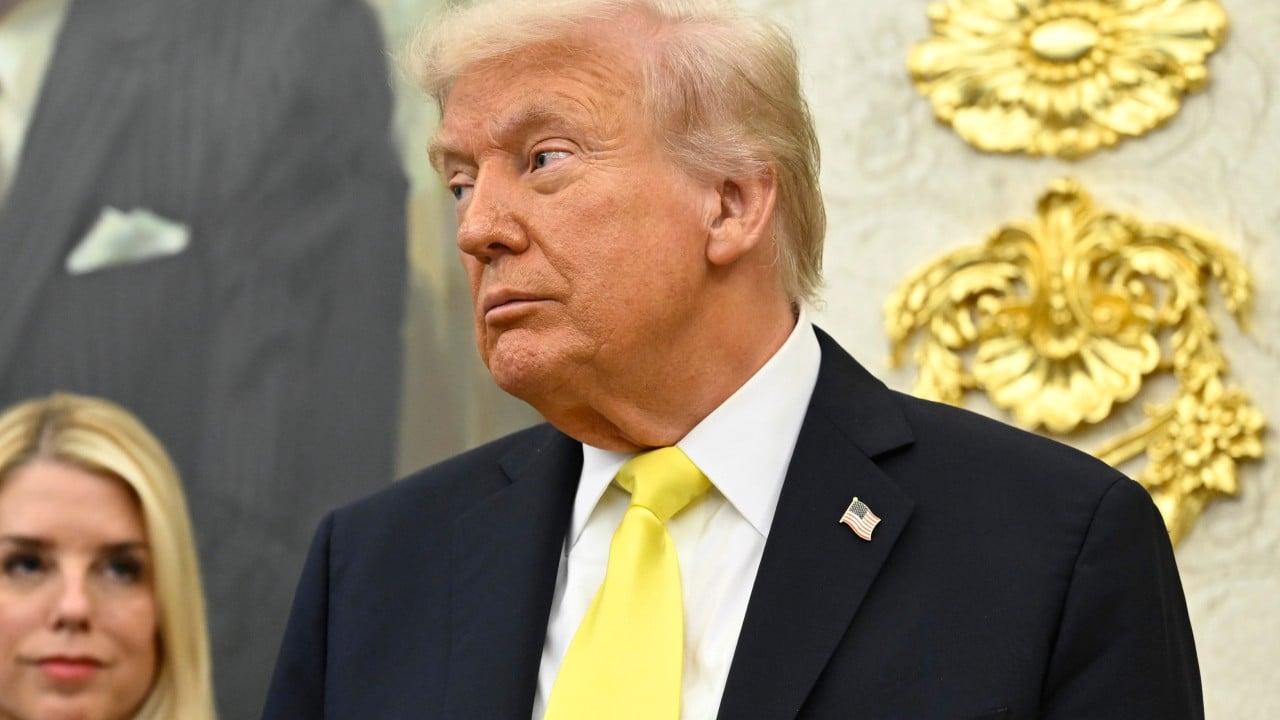
In addition to the Minnesota paid leave law, recent legislative activity in the U.S. has been marked by several notable events. President Donald Trump recently ordered the forced divestment of key semiconductor assets from HieFo Corporation, a Delaware-registered company linked to Chinese ownership, citing national security concerns. This executive order, issued under the Defense Production Act, underscores the administration's ongoing efforts to address what it perceives as threats from foreign entities in critical industries.
Moreover, a federal judge in Kentucky has dismissed a proposed settlement regarding police reforms in Louisville, which was originally linked to the Breonna Taylor case. The U.S. Department of Justice withdrew its support for the plan, leaving the future of reform efforts uncertain in the city.
Additionally, President Trump has announced a pause on immigration applications from 20 nations, primarily in Africa, which raises questions about the administration's approach to immigration policy moving forward.
Conclusion
As Minnesota begins to implement its new paid leave law, the state will be closely watched for any emerging patterns of benefit utilization and potential fraud. The outcome of this policy could influence similar legislative efforts across the nation. Meanwhile, the broader legislative landscape continues to evolve, with significant developments in national security, law enforcement reform, and immigration policy shaping the discourse in the early days of 2026.






