
Minnesota Paid Leave Law Launches Amid Fraud Concerns; Trump Vows to Curb Corporate Home Purchases
Minneapolis/St. Paul, MN & Washington, D.C. – January 8, 2026 – Minnesota rang in the new year with the activation of its landmark paid family and medical leave law on January 1, offering workers up to 20 weeks of paid benefits, while President-elect Donald Trump announced plans to restrict large investors from snapping up single-family homes nationwide, intensifying debates over housing affordability and labor protections.
The Minnesota Paid Leave Law, formally known as the Paid Family and Medical Leave program, officially took effect at 1:00 p.m. UTC on Thursday, January 1, 2026. Administered by the state, the program provides eligible workers with paid time off for serious health conditions, bonding with a new child, or caring for family members facing medical issues. Benefits can reach up to 20 weeks annually, funded through a payroll tax split between employers and employees. Proponents hail it as a major step toward worker security in a state with a strong union tradition and progressive labor policies.
State officials reported smooth initial rollout, with applications opening immediately. "This law ensures Minnesotans can care for their loved ones without choosing between family and financial stability," said a spokesperson for the Minnesota Department of Labor and Industry in early guidance released last month. Eligibility covers most private-sector workers, including part-timers after a qualifying period, with benefits averaging 90% of prior wages, capped at the state average weekly wage.
However, the law has drawn sharp criticism over potential vulnerabilities to fraud. Business groups and conservative lawmakers warn that lax verification could lead to exploitation, echoing concerns raised during the bill's 2023 passage under Democratic control of the state legislature. "While paid leave sounds compassionate, the risk of abuse could burden honest taxpayers and small businesses," noted a statement from the Minnesota Chamber of Commerce ahead of implementation. Critics point to experiences in other states like California and New York, where paid leave programs have faced audits revealing fraudulent claims totaling millions. Minnesota has allocated resources for fraud detection, including cross-checks with employment records, but skeptics argue more safeguards are needed as claims volume grows.
This development comes against a backdrop of expanding paid leave policies across the U.S. Only 13 states and Washington, D.C., offer such programs as of 2026, with federal efforts stalled in Congress. Minnesota's initiative, signed by Gov. Tim Walz in 2023, was shaped by post-pandemic labor shortages and public demand for family-friendly policies. It builds on the state's existing parental leave framework and aligns with trends in Nordic-inspired models, though its generous duration—exceeding many peers—has fueled partisan divides.
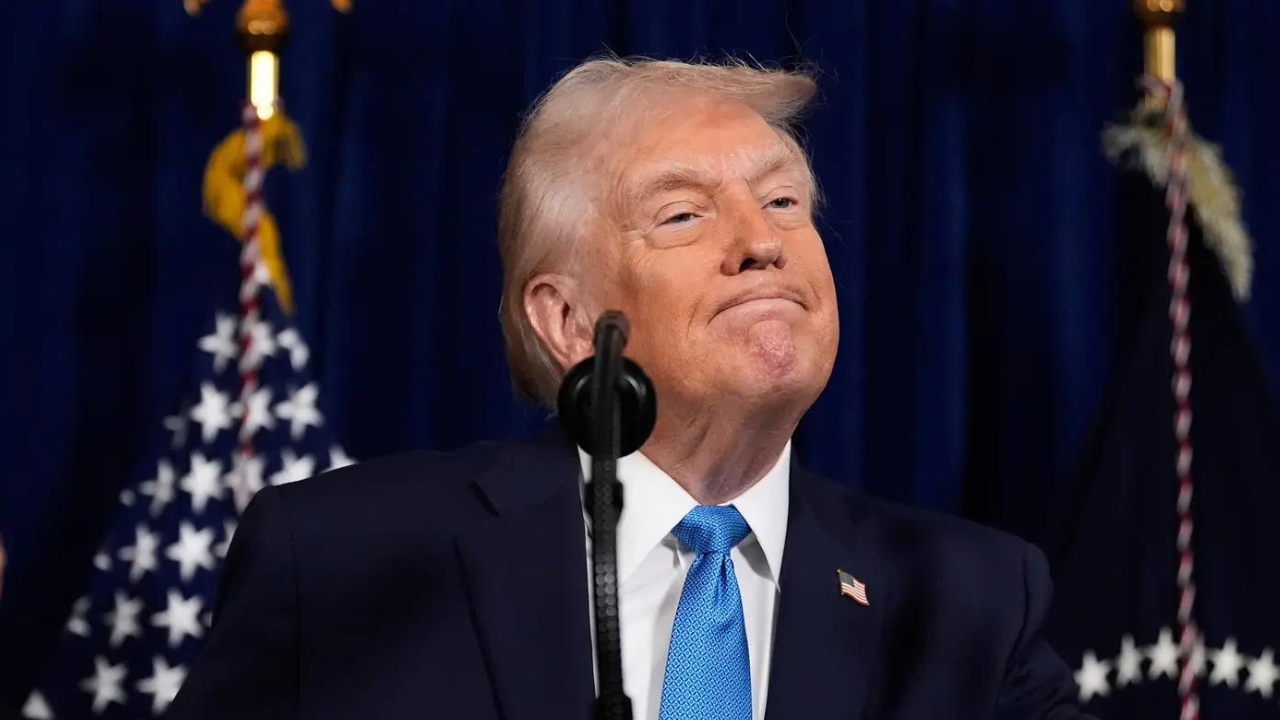
In parallel, President-elect Trump escalated his housing agenda on January 7, 2026, pledging to ban large investors and corporations from buying single-family homes. Speaking at a rally, Trump declared, "People live in homes, not corporations," framing the policy as a direct assault on institutional investors who have acquired vast portfolios of suburban properties since the 2008 financial crisis. The proposal aims to restore homeownership opportunities for middle-class families amid soaring prices and low inventory.
Details remain sparse, but the plan would likely involve executive actions or legislation targeting entities owning more than 50 homes or a certain market share, similar to ideas floated during Trump's 2024 campaign. Institutional ownership of single-family rentals has surged, with firms like Invitation Homes and American Homes 4 Rent controlling hundreds of thousands of units, often criticized for driving up rents and deterring first-time buyers. Data from the Urban Institute shows investor purchases accounted for 25% of home sales in 2023-2024, exacerbating affordability woes in Sun Belt states.
Trump's announcement revives a 2021 Biden-era task force recommendation that went unimplemented. Housing experts note potential challenges: such a ban could face legal hurdles under property rights doctrines and might disrupt rental markets in investor-heavy areas like Atlanta and Phoenix. Supporters, including the National Association of Realtors, applaud the focus on individual buyers, while opponents like the Mortgage Bankers Association warn of reduced liquidity and higher prices short-term.
Background on U.S. Legislation Trends
These events highlight contrasting legislative fronts: state-level expansions of social safety nets versus federal interventions in real estate. Minnesota's law stems from a 2023 special session compromise after years of debate, funded at 0.88% of wages initially. Nationally, paid leave remains divisive, with Republican-led states like Florida opting out of expansions.
Trump's housing push aligns with his second-term priorities, including deregulation and anti-monopoly measures. Single-family investor activity peaked post-COVID due to remote work and low interest rates, but recent rate hikes have cooled the market. The U.S. homeownership rate hovers at 65.7%, per Census data, with millennials and Gen Z squeezed by competition.
Outlook
As Minnesota monitors its paid leave program's first weeks, fraud probes and claim backlogs could test public support. Trump's investor ban, if enacted post-inauguration on January 20, may spark lawsuits but could reshape housing dynamics. Both underscore 2026's policy battles over equity, affordability, and economic security in a polarized nation.
(Word count: 712)






