
Middle Powers on the Rise: How Austria and South Korea Are Reshaping Oil Price Forecast and Global Geopolitics in 2026
By Yuki Tanaka, Tech & Markets Editor, The World Now
Introduction: The Quiet Shapers of Global Order
In the shadow of superpower showdowns, a new breed of global players is emerging: middle powers. These nations—neither hegemonic giants like the US or China nor fragile small states—are leveraging agility, strategic diplomacy, and economic pragmatism to redefine international relations and influence the oil price forecast. Defined by scholars as countries with significant influence but not global dominance, middle powers such as Austria and South Korea are gaining traction in 2026 by filling voids left by escalating US-China tensions and Middle East volatility, as highlighted in the Global Risk Index.
This shift is epitomized by two pivotal moves on April 16, 2026: Austria's accession to the Ukraine Tribunal Agreement, signaling European middle powers' push for independent justice mechanisms amid waning US commitments, and South Korea's landmark oil deal with Kazakhstan, directly addressing risks in the Strait of Hormuz and stabilizing oil price forecasts amid potential disruptions. These actions mark a departure from traditional dynamics where superpowers dictate terms. Instead, middle powers are forging under-the-radar alliances in energy security, defense cooperation, and regional stability—areas ripe for innovation amid global disruptions. This strategic maneuvering not only diversifies energy supplies but also tempers volatile oil price forecasts by creating alternative pathways that bypass chokepoints like the Strait of Hormuz.
Unlike prior coverage fixated on fragile ceasefires, superpower rivalries, or oil price spikes, this report spotlights how Austria and South Korea exemplify a broader trend: middle powers countering dominance through networked diplomacy. As UN warnings of Middle East "lawlessness" echo, these nations are not just reacting—they're reshaping the board, offering pathways to multipolarity that could stabilize or upend global order and directly impact long-term oil price forecasts.
Historical Context: Building Blocks of 2026 Tensions
The stage for middle powers' ascent was set by a cascade of events on April 16, 2026, which exposed the fragility of superpower-led systems and accelerated alternative strategies. The United Nations issued stark warnings of "lawlessness" in the Middle East, highlighting unchecked escalations from drone incursions to proxy conflicts, as reported in contemporaneous dispatches. This came alongside US troop deployments to the region, underscoring America's stretched resources and prompting allies to seek self-reliance. For deeper insights into asymmetric warfare amid current wars in the world in 2026, including drone threats undermining global influence, see our related analysis.
Enter South Korea's oil agreement with Kazakhstan, a direct response to Hormuz vulnerabilities. Historically, the Strait—handling 20% of global oil—has been a chokepoint, with past disruptions like the 2019 tanker seizures spiking prices 4-5%. South Korea, heavily import-dependent (95% of its energy), bypassed this by securing Kazakh supplies via alternative pipelines, echoing vulnerabilities from the 1973 OPEC embargo. This deal not only diversifies Seoul's portfolio but positions it as a linchpin in Eurasian energy chains, reducing reliance on Persian Gulf volatility and providing a buffer in uncertain oil price forecasts.
Austria's move was equally telling. By joining the Ukraine Tribunal Agreement, Vienna asserted judicial independence, linking to broader European patterns where nations like Slovakia blocked EU sanctions on unrelated fronts. This comes amid US arms delays to Northern Europe due to Iran priorities, forcing middle powers to chart autonomous paths. China's simultaneous travel warning for Seattle—citing espionage risks tied to Taiwan drills—illustrated interconnected threats, from South China Sea frictions to cyber incursions, compelling nimble actors like Austria to prioritize multilateral justice over bloc loyalty. These dynamics further influence oil price forecasts by mitigating escalation risks in energy transit zones.
These April 16 developments weren't isolated; they built on years of erosion in superpower credibility. NATO's pivot to "trade over aid," as articulated by former envoy Kay Bailey Hutchison, reflects this: economic ties foster resilience where military aid falters. Middle powers, unburdened by global policing, capitalized, turning historical energy scars and alliance fatigue into strategic opportunities that stabilize oil price forecasts through diversified supply chains.
Current Trends: Middle Powers and Oil Price Forecast in Action
Fast-forward to mid-2026, and Austria and South Korea are at the vanguard of diplomatic innovation. Austria's tribunal role extends beyond Ukraine, influencing probes into Middle East atrocities amid UN lawlessness alerts. This positions Vienna as a neutral arbiter, akin to its historic Ostpolitik, drawing in partners like Oman, which on April 16 announced deepened energy-defense ties—potentially with European intermediaries—to secure Gulf stability. Explore US-China superpower rivalry in the Middle East oil price forecast for how major powers' interventions interplay with these shifts.
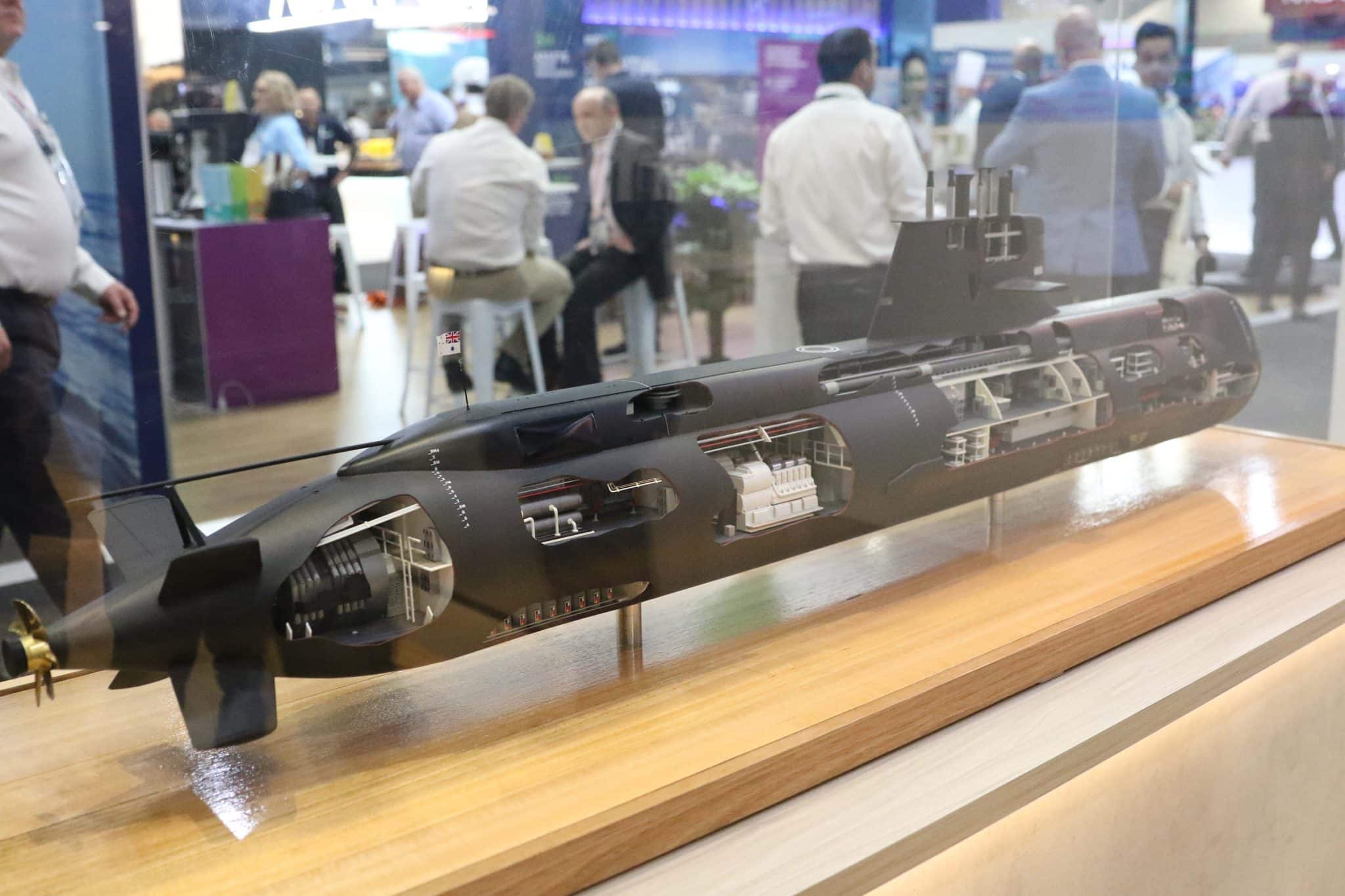
South Korea's Kazakh deal reverberates through global supply chains, mitigating Hormuz risks as European airlines warn of jet fuel shortages "in six weeks," per France24. Seoul's agility contrasts with superpower gridlock; while US deployments focus on containment, South Korea inks deals that stabilize Asia-Europe flows and moderate oil price forecast volatility. This aligns with broader trends: Australia's high-risk extension of Collins-class submarines signals Indo-Pacific middle powers prepping for autonomy, as Naval News detailed, amid Taiwan's Han Kuang drills and Japan's strengthened NATO ties.
Middle powers are weaving counter-alliances sans fanfare. Oman's overtures could link to South Korean energy pacts, forming a "neutral arc" from the Gulf to Central Asia. In the South China Sea, where Beijing-Manila code-of-conduct talks stall without "restraint" (SCMP), middle powers like Australia and Japan bolster deterrence without provoking escalation. Drone incursions—massive and unchecked until recent US responses (Asia Times)—prompt collaborative defenses; Cyprus's Akamas exercises and Slovakia's sanction blocks exemplify European middle powers hedging against both US unreliability and Russian revanchism.
These moves address cascading issues: energy crises exacerbate European fuel woes, while ceasefires like the 10-day Lebanon-Israel pause (Trump's Lebanon ceasefire and oil price forecast), welcomed by Canada and announced by Trump via Hindustan Times, remain tenuous. VG's reporting on Israeli presence disputes underscores fragility, yet middle powers sidestep by prioritizing trade. Iran's stipulation for US talks only in Pakistan hints at neutral venues where Austria's diplomacy shines, all contributing to a more predictable oil price forecast trajectory.
Original Analysis: The Strategic Edge of Middle Powers
Middle powers' edge lies in agility—diplomacy unbound by superpower baggage. Austria's tribunal accession critiques rigid alliances, promoting rule-based multipolarity. South Korea's deals exemplify "trade-over-aid" (Newsmax), yielding mutual gains: Kazakhstan gains markets, Seoul secures 10-15% of needs outside Hormuz, per deal estimates. This approach directly informs oil price forecasts by reducing dependency on volatile routes.
Economically, diversification slashes risks. Hormuz disruptions could add $20-30/barrel; Kazakh routes via Caspian pipelines cut Europe's exposure by 5-10%, averting shortages like France24's jet fuel alarm. Security-wise, Oman's ties and Australian subs create layered deterrence, mitigating drone threats that Asia Times flags as "massive."
Critically, global discourse overlooks this. Superpower lenses dominate—Trump's Pope spat (SBS Australia) distracts from multipolar seeds. Hypothetical scenarios illuminate: if Hormuz tightens, South Korean-Kazakh flows buffer Europe, while Austrian-led tribunals deter lawlessness, fostering coalitions. NATO's trade focus boosts GDP 1-2% via exports, outpacing aid's inefficiencies and supporting stable oil price forecasts.
This isn't utopian; risks persist. Superpowers may co-opt or sabotage, as in past US-Iran frictions. Yet middle powers' neutrality—exemplified by Iran's Pakistan channel—offers resolution paths, arguing for their centrality in discourse and oil price forecast modeling.
Predictive Outlook: Oil Price Forecast and Future Scenarios in a Multipolar World
By 2027, middle powers could coalesce into formal blocs. Imagine an "Eurasian Stability Forum": Austria mediating tribunals, South Korea anchoring energy, Oman bridging Gulf-Asia, Australia securing seas. This counters Middle East instability, post-UN warnings, via shared intel on drones and incursions, ultimately shaping more accurate oil price forecasts.
South Korea's deals may reshape oil dynamics, flooding markets with 500,000+ barrels/day alternatives, staving European crises. The World Now Catalyst AI predicts OIL + (high confidence) on blockades but notes risks like US reserves tempering spikes—middle power routes could cap at $110/barrel. Check the Global Risk Index for ongoing volatility assessments.
Challenges loom: US/China backlash, as in arms delays or Seattle warnings. Escalation might spike volatility—SPX - (medium confidence) on algo de-risking, BTC/ETH/SOL - amid liquidations (historical Ukraine drops: BTC -10%). USD/CHF + as havens, EUR - on energy costs. TSM - from trade fears.
Yet innovation beckons: mid-2027 diplomatic wins, like expanded ceasefires (building on Lebanon-Israel), via middle power shuttles. Multipolarity thrives if superpowers adapt; volatility ensues otherwise, but with diversified chains, crises shorten—jet fuel resolved in months, not weeks, leading to steadier oil price forecasts.
What This Means for Investors and Policymakers
The rise of middle powers like Austria and South Korea signals a pivotal shift in global geopolitics, particularly influencing oil price forecasts. Investors should monitor Eurasian energy deals and tribunal developments for early signals of supply diversification, which could cap upside risks in oil prices during Middle East flare-ups. Policymakers must recognize the value of networked diplomacy, integrating middle power strategies into broader alliances to enhance resilience against superpower gridlock. As global institutions as peace catalysts evolve, these actors offer pragmatic paths to stability, underscoring the need for adaptive foreign policies in a multipolar era.
Catalyst AI Market Prediction
Powered by The World Now's Catalyst Engine, here are AI predictions tied to Middle East tensions and middle power maneuvers (medium-high confidence unless noted):
- OIL: Predicted + (high confidence). Causal: Iranian blockades cut supply; precedent: 1973 embargo quadrupled prices. Risk: US reserves.
- USD: Predicted + (medium/low confidence). Causal: Safe-haven flows; precedent: 2020 Soleimani +0.5% DXY.
- CHF: Predicted + (medium). Causal: Euro geo risks; precedent: 2019 Iran.
- SPX: Predicted - (medium). Causal: Algo de-risking; precedent: 2019 seizures -3%, 2006 Lebanon -5-10%.
- BTC: Predicted - (medium/low). Causal: Risk-off cascades; precedent: 2022 Ukraine -10% in 48h. Risk: ETF inflows.
- ETH: Predicted - (medium). Causal: DeFi pressure; precedent: 2022 -12%.
- SOL: Predicted - (medium/low). Causal: Altcoin beta; precedent: 2022 -15%.
- EUR: Predicted - (medium/low). Causal: Energy costs; precedent: 2018 Iran.
- TSM: Predicted - (medium). Causal: Trade fears; precedent: 2018 tensions.
Predictions powered by The World Now Catalyst Engine. Track real-time AI predictions for 28+ assets.





/file/attachments/orphans/BM-Ed-ElNinoAucamp3_433491.jpg)