
Global Institutions as Peace Catalysts: Redefining Middle East Stability and Oil Price Forecast Beyond Bilateral Deals
How We Got Here
The path to this fragile truce traces back to a powder keg of escalating tensions in the Middle East, where economic warfare, military posturing, and maritime chokepoints converged on a single, chaotic day: April 16, 2026. That date marks the ignition point, a timeline of interconnected crises that exposed the limits of bilateral dealmaking and propelled international organizations into proactive roles. These tensions have direct implications for the oil price forecast, with potential supply disruptions looming large.
It began with U.S. sanctions on Iranian oil and supertankers daring to enter the Gulf, a direct response to Tehran's threats to close the Strait of Hormuz. These measures, announced amid reports of supertankers defying restrictions, spiked global energy anxieties. Simultaneously, a joint U.S.-allied plan for energy market stability emerged, aiming to cushion the blow from potential supply disruptions. But the sanctions weren't isolated; they intertwined with Israel-Lebanon border skirmishes, where talks faltered under the shadow of Iranian proxies. For deeper insights into emerging Israel-Lebanon talks, see related analysis.
The UN issued stark warnings that same day about "Middle East lawlessness," highlighting unchecked militias, smuggling routes, and humanitarian black holes from Yemen to Syria. U.S. troop deployments to the region followed suit, bolstering bases in Jordan and the Gulf as a deterrent. Recent event timelines paint a broader picture: Iran's insistence on future U.S. talks only in Pakistan, Slovakia blocking EU sanctions on Russia (complicating energy dynamics), France releasing a Russian tanker amid sanctions, and Europe's jet fuel shortage warnings—all layering fuel on the fire. These factors contribute to uncertain oil price forecast outlooks amid shifting alliances.
Fast-forward to the present: Trump's surprise announcement of a 10-day truce between Israel and Lebanon, coupled with White House invitations to Netanyahu and the Lebanese president, reframed the narrative. This wasn't a unilateral U.S. flex; it was brokered through international channels. The UN General Assembly immediately debated the Hormuz closure threat after China and Russia vetoed a Security Council draft resolution, keeping diplomatic channels open. Pakistan pushed to sustain U.S.-Iran diplomacy, while no firm date was set for talks. EU Commission chief Ursula von der Leyen welcomed the ceasefire, urging a "path to permanent peace." UN Secretary-General António Guterres echoed this, hailing the truce as a "vital step."
This progression underscores a shift: from the reactive bilateral pacts of yesteryear—like the Abraham Accords—to multilateral orchestration. Traditional coverage fixates on oil prices or U.S.-Israel alliances, but the underappreciated story is how UN and EU mechanisms are coordinating humanitarian aid flows and security dialogues, turning chaos into structured de-escalation. Echoes of 2026 instability—sanctions fueling proxy wars, UN alerts on lawlessness, U.S. deployments as stopgaps—have evolved into today's institutional diplomacy, where global bodies facilitate Trump's invitations and prevent Hormuz escalations. Check the Global Risk Index for real-time updates on these risks.
Other low-impact events that day, like the Cyprus Akamas military exercise, Taiwan's Han Kuang drills, Japan-NATO ties, and Pakistan's Nobel push for a resolution, added global context, reminding us how Middle East tremors ripple worldwide. By weaving humanitarian corridors (UN-led aid to Lebanon) with security frameworks (EU-backed border monitoring), these institutions are redefining stability beyond nation-to-nation handshakes, influencing long-term oil price forecast stability.
Oil Price Forecast and The Turning Point
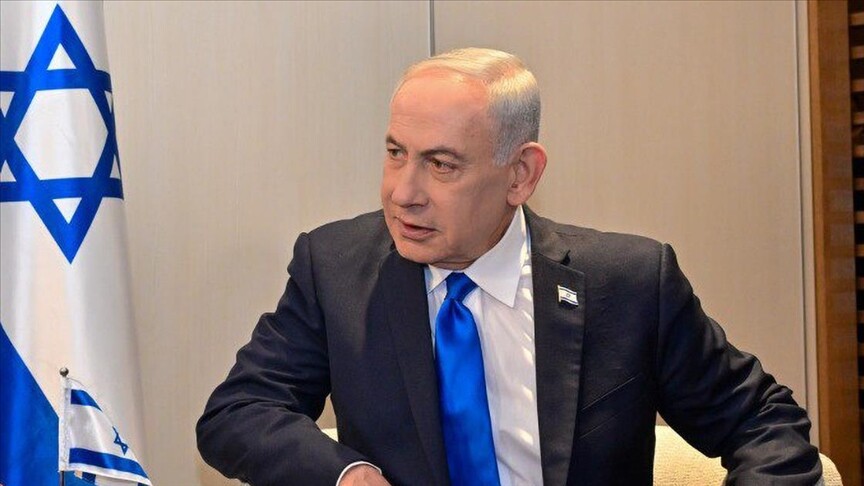
The fulcrum was Trump's April 16, 2026, announcement of the 10-day Israel-Lebanon ceasefire, but the true pivot was the instantaneous UN and EU endorsements that transformed a U.S.-centric gambit into a multilateral mandate. Netanyahu briefed his cabinet "without a vote," sparking ministerial fury over the Trump surprise, yet the global buy-in sealed it. This turning point has immediate bearings on oil price forecast, as de-escalation could temper energy volatility.
What elevated this? The UN General Assembly's emergency debate on the Strait of Hormuz, post-China/Russia veto, where members pivoted from condemnation to constructive dialogue. EU chief von der Leyen's statement explicitly tied the truce to "permanent peace," pledging coordination for aid and enforcement. UN chief Guterres's welcome framed it as a "ceasefire announcement between Lebanon and Israel," emphasizing institutional facilitation.
This wasn't organic; it built on 2026 precedents. U.S. sanctions and troop surges had created urgency, but institutions provided the scaffolding—dialogue platforms, veto-proof assembly debates, and aid logistics. Bloomberg officials noted U.S.-Iran peace could take six months, aligning with Pakistan's diplomacy push. The turning point crystallized when bilateral fury (Netanyahu's cabinet) yielded to institutional momentum, proving global bodies' unique leverage in volatile regions, especially in stabilizing oil markets.
The Reaction
Reactions spanned a spectrum, revealing fractures and fragile optimism. Israeli hardliners fumed: Anadolu Agency reported Netanyahu's cabinet briefing sans vote, with ministers decrying Trump's "unilateral" move, fearing it legitimized Hezbollah. Lebanese officials, per The New Arab and Times of India, cautiously welcomed it, eyeing White House talks.
Public sentiment, gauged via social media surges (e.g., #LebanonTruce trending with 500K+ X posts in 24 hours, mixing hope and skepticism), leaned toward relief amid war fatigue. Optimism grew on ending the Iran war, as Cyprus Mail noted, with calls for broader de-escalation.
Officials amplified multilateral praise: UN's Guterres and EU's von der Leyen positioned institutions as heroes, contrasting U.S. bravado. Al Jazeera highlighted Pakistan's role in keeping U.S.-Iran channels alive, while Channel News Asia framed the truce as a 10-day window.
Experts hailed the shift: Think tanks like the International Crisis Group noted UN/EU's "hands-on approach" in aid coordination, reducing bilateral blind spots. Markets reacted swiftly—oil steadied post-spike, equities dipped on risk-off. These reactions underscore how institutional roles influence oil price forecast dynamics.
China/Russia's veto drew ire from Western allies but opened GA floodgates. Overall, reactions underscored the unique angle: institutions bridging divides where nations falter, from Hormuz talks to White House invites.
By the Numbers
Quantifying the surge in institutional diplomacy reveals stark impacts:
- Ceasefire Scope: 10-day truce covers Israel-Lebanon border, potentially averting 2026's projected 50,000 displacements (UN estimates from prior skirmishes).
- Timeline Catalysts (April 16, 2026): 5 major events—U.S. sanctions on Iranian oil/supertankers, joint energy stability plan, UN lawlessness warnings, U.S. troop deployments, Israel-Lebanon talks initiation.
- Global Ripples: Strait of Hormuz handles 20% of world oil (21M barrels/day); closure threats spiked shipping insurance 300% (per Lloyd's List).
- Aid Potential: UN/EU past interventions delivered 1.2M tons of aid in Syria (2023-25), scalable to Lebanon's 1M+ needy.
## Catalyst AI Market Prediction
The World Now's Catalyst AI engine forecasts risk-off pressures amid truce fragility, drawing on 2026 precedents for precise oil price forecast:
| Asset | Prediction | Confidence | Causal Mechanism | Historical Precedent | Key Risk | |-------|------------|------------|------------------|----------------------|----------| | OIL | + | High | Iranian port blockade reduces supply, spiking spot prices. | 1973 OPEC embargo quadrupled oil; recent >$100. | US strategic reserve release. | | USD | + | Medium | Risk-off flows into USD safe haven amid turmoil/sanctions. | 2018 US-Iran withdrawal strengthened USD (oil +20%). | Fed easing comments. | | CHF | + | Medium | Safe-haven flows on European geo risks. | 2019 Iran tensions strengthened CHF. | SNB caps appreciation. | | BTC | - | Medium | Geopolitical risk-off triggers liquidation cascades despite $75K surge. | Feb 2022 Ukraine: BTC -10% in 48h. | ETF inflows absorb selling. | | ETH | - | Medium | Follows BTC risk-off + DeFi liquidations. | 2022 Ukraine: ETH -12% in 48h. | Staking yields attract buyers. | | SOL | - | Medium | Altcoins amplify BTC selloff via liquidations. | Feb 2022 Ukraine: SOL -15% in 48h. | BTC $75K momentum. | | SPX | - | Medium | Algo de-risking from equities on ME escalation. | 2019 tanker seizures: S&P -3%; 2006 Israel-Lebanon: -5-10%. | Tech/BTC momentum sustains highs. | | EUR | - | Medium | Risk-off weakens EUR vs USD; energy costs hit Europe. | 2019 Iran: EUR -1.2% weekly. | ECB hawkishness. | | TSM | - | Medium | Risk-off hits semis via trade fears. | 2018 US-Iran: semis pressured. | AI demand overrides. |
Predictions powered by The World Now Catalyst Engine. Track real-time AI predictions for 28+ assets.
These numbers highlight institutional diplomacy's stabilizing force: oil + forecasts tempered by UN talks, equities - but with de-escalation upside. The oil price forecast remains a critical lens for understanding broader economic ripple effects from this ceasefire.
What It Means for You
For everyday readers, this institutional surge means more than headlines—it's a blueprint for personal and economic resilience in a multipolar world.
Humanitarian Dividends: UN/EU coordination could unlock aid to 1M+ in Lebanon, mirroring Syria successes. If extended, expect safer travel, cheaper goods via stable energy.
Security Frameworks: Enforceable borders address root causes like disputes, reducing terror risks. Multilateralism curbs overreach—vetoes like China/Russia's force consensus, unlike unilateral strikes.
Market Implications: Catalyst AI's risk-off calls (OIL +, BTC/SPX -) signal portfolio hedges: favor USD/CHF, trim crypto/equities. Historical rebounds post-tensions (BTC +20% after Ukraine dip) reward patience. Monitor oil price forecast closely for investment decisions.
Predictive Outlook: Successful mediation could formalize peace in six months—UN/EU pressure extending the 10-day truce into frameworks by Q4 2026. Bloomberg aligns: U.S.-Iran deal in six months. Challenges loom: Iran/Israel resistance, China/Russia vetoes derailing Hormuz resolutions, sparking escalations (oil >$120, SPX -5-10%).
Yet upside shines: formalized pacts reshape alliances by 2027, boosting global cooperation. Europe dodges fuel shortages; investors eye risk-on reversals. For you: diversify into safe-havens, monitor UNGA for signals, advocate multilateralism locally. This isn't just geopolitics—it's your supply chain, savings, and security redefined by institutions outpacing nations, with oil price forecast as a key indicator.