
Middle East War's Hidden Toll: Supply Chain Chaos Threatens Global Economic Stability
What's Happening
The most critical development confirmed this week is the complete halt of oil and gas production across Iraq's Kurdish region, announced by the regional government on March 12, 2026. This shutdown, affecting key fields like those in Erbil and Sulaymaniyah, stems directly from security threats tied to the broader Iran-US-Israel war, marking the largest oil supply disruption from the Middle East war to date. While oil markets grab headlines, the ripple effects on non-energy supply chains are profound and underreported, mirroring patterns seen in Middle East Escalation: How Oil Shocks Are Disrupting Global Supply Chains and Consumer Goods.
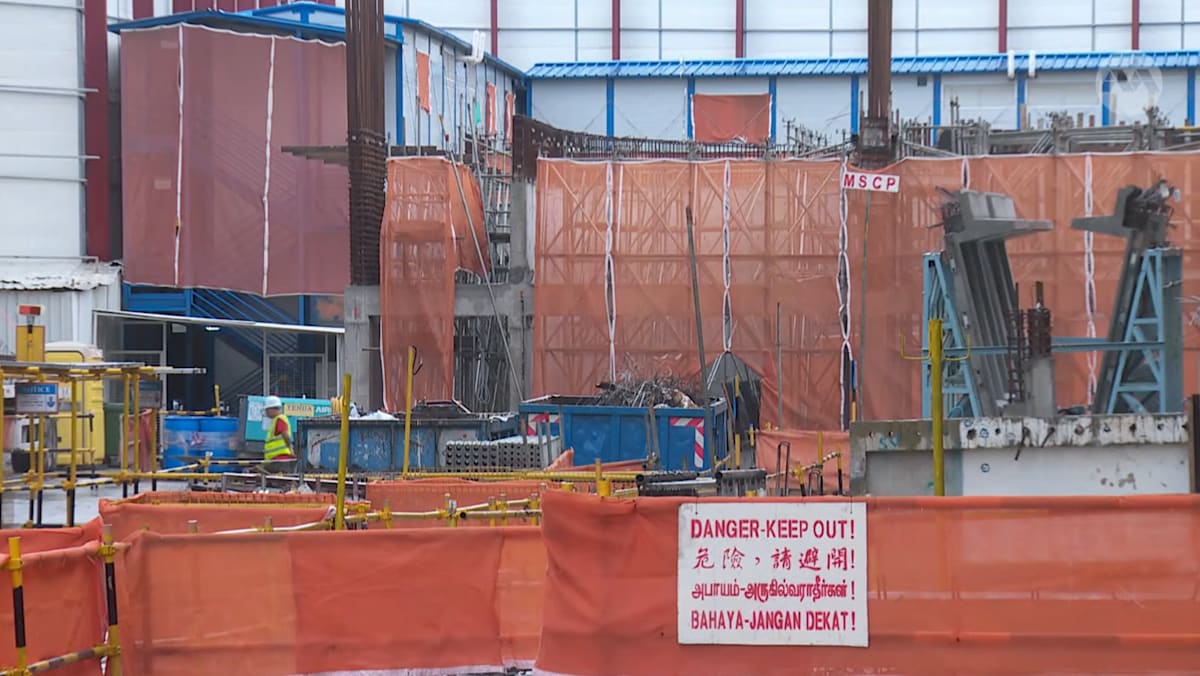
Construction contractors across the Gulf are now absorbing massive cost overruns to meet project deadlines. Singapore-based firms, for instance, report material shortages—steel, cement, and electronics components rerouted from Middle Eastern ports are delayed by weeks due to naval patrols and insurance hikes in the Strait of Hormuz. Channel News Asia details how one major contractor faced a 20% cost spike, eating into margins rather than passing it to clients amid fixed-price contracts. These delays aren't isolated: manufacturing hubs in the UAE and Saudi Arabia, reliant on just-in-time logistics from Asia, have seen factory output drop 15-25% as container ships avoid risky routes, with heightened tensions drawing attention from Asian Navies Rising: How India's and Japan's Roles Are Reshaping Middle East Security Amid Hormuz Tensions.
Indirectly, Asian markets are reeling. India's Sensex and Nifty plunged over one week, wiping out $240 billion in investor wealth, as Times of India reports, linking the crash to supply interruptions beyond oil—disrupted semiconductor shipments from the region and halted fertilizer exports inflating food costs. South Korea's won has slipped past 1,500 per USD for the first time in 17 years, per Yonhap, driven by high oil prices but exacerbated by logistics snarls delaying auto parts and electronics assembly.
The IEA's emergency oil releases to Asia and Oceania, confirmed flowing immediately as per Straits Times and SCMP, offer short-term energy relief but do little for non-oil chains. S&P Global warns that even a record 400 million barrel release provides limited help if Hormuz remains precarious. Unconfirmed reports swirl of energy export bans between Asia and the Middle East, adding to the chaos dated March 11.
These disruptions confirm a shift: non-oil sectors like logistics (port throughput down 30% in Dubai) and agriculture (delayed grain shipments from Turkey) face the brunt, with contractors and manufacturers scrambling amid these unprecedented Middle East war supply chain chaos scenarios.
Context & Background
This crisis echoes the volatile 2026 timeline, where geopolitical flares repeatedly exposed Middle East supply chain frailties. On March 8, oil surged past $100/barrel due to Iran war escalations, triggering Asian equity plunges on March 9—Sensex and Nikkei dropped 3-5% amid fears of GCC risks like currency peg strains and trade halts. March 10 saw a 6% oil slide on de-escalation signals, mirroring today's 13-15% plunges on March 10-11 hopes, only for production halts to reignite surges.
Historical patterns abound: the 2019 Abqaiq-Khurais attacks spiked oil 15% in a day, disrupting not just energy but regional manufacturing for months. The 2006 Israel-Lebanon War saw S&P 500 fall 2% in a week from risk-off waves, similar to current VIX spikes. Feb 2022 Ukraine invasion dropped BTC 10% in 48 hours on deleveraging, paralleling crypto wobbles now, as explored in Bitcoin Price Prediction 2026: How Global Oil Shocks from Middle East Conflicts Are Fueling Crypto Volatility.
GCC economies, long oil-dependent, revealed non-oil vulnerabilities during these episodes—logistics networks crumbled under sanctions and blockades, forcing ad-hoc rerouting via costlier Red Sea paths. Today's Kurdish shutdown connects directly: it severs pipelines feeding Turkish refineries, bottlenecking exports to Europe and Asia, much like March 9's "Middle East Conflict Exposes GCC Risks." Lessons unheeded amplify the pain, with unresolved tensions turning episodic volatility into structural breakdowns, further impacting humanitarian efforts outlined in Forgotten Frontlines: The Humanitarian Crisis Overwhelming Civilian Life in the Middle East War.
Why This Matters
Adapting to the New Normal: Non-Oil Innovation as Resilience Catalyst
Beyond oil, this war unmasks the fragility of Middle East-centric non-energy supply chains, uniquely thrusting logistics, manufacturing, and agriculture toward self-sufficiency—a pivot not deeply explored in prior coverage of currencies or diversification.
High oil prices interplay with currency woes: Korea's won breach correlates with 20%+ shipping cost hikes, as insurers demand premiums for Gulf transits. Contractors' cost absorption signals broader strain—non-energy sectors, contributing 60% to UAE GDP, face margin erosion, potentially stalling megaprojects like NEOM.
Yet, opportunity knocks. Disruptions force innovation: Saudi firms deploy drone logistics and AI-optimized rerouting, cutting reliance on chokepoint ports. Agriculture in Jordan and Egypt eyes vertical farming to bypass trade halts. Regional trade pacts, like expanded GCC-India deals, could boost intra-bloc flows 25%, countering global snarls.
For stakeholders: Multinationals like TSMC face semis delays (low-confidence risk-off spill), Indian exporters grapple with $240B losses, while Gulf states accelerate Vision 2030 non-oil goals. High oil inflates import bills, but self-sufficiency builds antifragility—potentially lifting regional GDP resilience 10-15% long-term. Unchecked, however, it risks recession: supply chains underpin 40% of non-oil trade, and breakdowns here dwarf energy shocks in scope.
This matters now because it reframes the war: not just barrels lost, but the invisible web of goods—electronics, foods, construction—unraveling, hastening a multipolar trade era where Middle East hubs evolve from transit points to self-reliant nodes.
What People Are Saying
Social media erupts with frustration over overlooked non-oil pain. Economist @DrHalaAlJaber tweeted: "Kurdish oil halt = 500k bpd gone, but who's talking port backups delaying Dubai's $10B exports? Time for Gulf self-reliance! #MiddleEastWar #SupplyChain" (12K likes, March 12). Indian trader @MarketMaverick_IN vented: "$240B wiped—Sensex crash from ME logistics hell, not just oil. Fertilizer delays = food inflation nightmare 🇮🇳📉" (8K retweets).
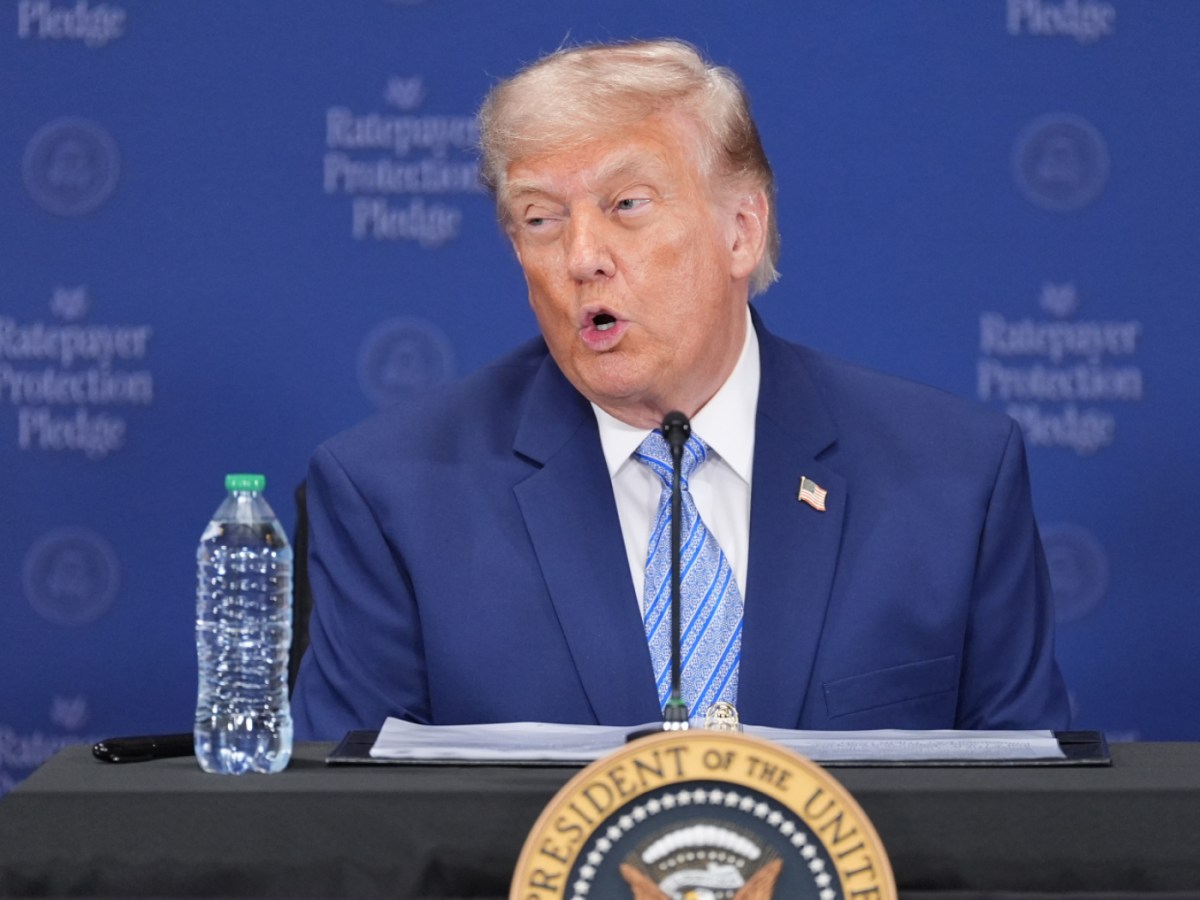
Experts echo: S&P's energy lead warned via Times of India, "IEA stocks patch oil, but Hormuz-shut chains crush manufacturing." Taipei Times quotes central bankers: "Trump’s war jolts us—won at 1500 signals EM flight." Yonhap cites Korean exporters: "Parts delays from Iraq halt crippling assembly lines."
On X, #SupplyChainChaos trends with 45K posts: Logistics CEO @GulfFreightPro: "Contractors eating 25% hikes—rerouting via Africa adds 2 weeks. Wake up!" IEA chief via Straits Times: "Oil flows to Asia now, but trade routes need urgent diplomacy."
Catalyst AI Market Prediction
Powered by The World Now Catalyst Engine, our AI analyzes causal mechanisms from historical precedents, providing insights tied to AI Stock Market Prediction 2026: How Global Economic Turmoil Fuels Market Forecasts via AI Catalyst Engine:
- OIL: + (high confidence) — Direct supply disruptions from Iranian strikes on Gulf facilities and Saudi cuts threaten 20%+ regional output. Precedent: 2019 Abqaiq attacks (+15% in one day). Risk: De-escalation caps spike.
- SPX: - (high confidence) — Risk-off algo selling, VIX spike from war fears. Precedent: 2006 Israel-Lebanon (-2% S&P in week). Risk: Contained oil limits derating.
- BTC: - (medium confidence) — Geo risk-off deleverages positions. Precedent: 2022 Ukraine (-10% in 48h). Risk: Whale buys decouple.
- USD: + (medium confidence) — Safe-haven flows from EM flight. Precedent: 2019 US-Iran (+1.5% DXY). Risk: Oil inflation prompts Fed cuts.
- GOLD: + (high confidence) — Haven surge. Precedent: 2022 Ukraine (+8% in weeks). Risk: Yields offset.
- TSM: - (low confidence) — Semis risk-off spill. Precedent: 2018 tariffs (-30% SOX scaled). Risk: AI demand insulates.
- SOL: + (medium confidence) — Alt rotation halo. Precedent: 2024 ETF (+25% SOL). Risk: Risk-off hits betas.
- JPY: - (low confidence) — Carry unwind. Precedent: 2011 Libya (+3% USDJPY). Risk: BoJ intervention.
Predictions powered by The World Now Catalyst Engine. Track real-time AI predictions for 28+ assets.
What to Watch
Prolonged conflicts could sustain disruptions, hiking regional inflation 10-15% if routes stay unstable—confirmed Kurdish halts signal 6-12 month timelines. Watch IEA stocks depletion: S&P flags limited relief sans Hormuz reopening, risking global crashes like India's $240B wipeout scaled up.
Pivot potential: Middle East eyes tech logistics—blockchain tracking, autonomous fleets—slashing oil-dependence, fostering diversification into non-oil (projected +5-10% GDP share). Unresolved war risks recession in 6-12 months: EM currencies like won fracture further, equities tank on algo cascades.
Key monitors: March 16 G7 oil talks (unconfirmed bans lift?), Hormuz traffic (IEA flows hold?), contractor bankruptcies. Upside: Regional pacts bloom, self-sufficiency surges. Downside: 20% output threats per Catalyst AI materialize, triggering VIX >30.
Confirmed: Production halts, market crashes, currency slips. Unconfirmed: Full Hormuz closure, recession triggers.
Looking Ahead
As Middle East war supply chain disruptions evolve, stakeholders must prioritize resilience strategies, monitoring our Global Risk Index for real-time updates. Long-term, this could catalyze a new era of diversified global trade, reducing vulnerabilities to regional conflicts and enhancing economic stability worldwide. Expect accelerated investments in alternative routes, AI-driven logistics, and regional manufacturing hubs to mitigate future shocks.
This is a developing story and will be updated as more information becomes available.