
Middle East Strike: Strait of Hormuz Crisis – Europe's Under-the-Radar Diplomatic Gambit in Middle East Geopolitics
Middle East Strike: What's Happening in the Strait of Hormuz
The Strait of Hormuz, a narrow 21-mile-wide passage between Iran and Oman, remains a flashpoint amid spiraling Middle East tensions. Over the last 24 hours, Anadolu Agency reported that 15 vessels, including those linked to Japan and South Korea, crossed after securing Iranian approval—a selective permeability that allows "friendly" or compliant ships while threatening others. Seoul's Korea Herald noted "differing circumstances" for these transits, highlighting how nationalities and cargo influence permissions, with Japanese-linked ships navigating despite broader risks.
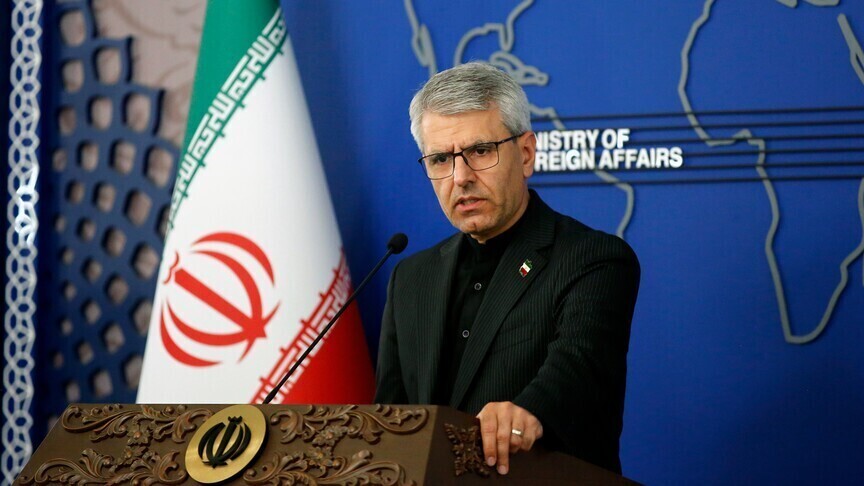
Iran's rhetoric has hardened: Al Jazeera live updates quote Tehran declaring the Strait "will never return to its former state" for the U.S. and Israel, rejecting Trump's "Tuesday deadline" for full reopening as "nervous and stupid," per La Razon. Hamas echoed this defiance, backing Iran and refusing disarmament talks amid accusations of Israeli "genocide" (Middle East Eye). Norwegian outlet VG reports Iran now threatens to close another key waterway, amplifying fears of multi-front disruptions.
Enter Europe's quiet gambit: On April 2, Turkey and Germany held unprecedented Mideast war talks, positioning themselves as mediators. While U.S. preparations for missile strikes (Express Tribune) and White House pressure on satellite firms to blackout imagery (Middle East Strike: Satellite Secrecy Escalates Iran-US Tensions in the Strait of Hormuz) (Asia Times) dominate headlines, European diplomats are forging transatlantic bridges. Turkey, a NATO member with historic ties to Iran, and Germany, Europe's economic powerhouse reliant on Mideast energy, are reportedly discussing joint mediation frameworks. This contrasts sharply with direct U.S. confrontations, like Rep. Mike Turner's assertion that no ground invasion is needed (Newsmax), and indirect escalators like alleged Chinese AI traps for U.S. forces (CNN Turk).
These moves signal a broader shift: The Strait's disruptions now threaten not just oil—prices have spiked 15% this week—but tech supply chains. Semiconductors from Taiwan via Hormuz face delays, impacting AI data centers worldwide, as explored in the Tech Arms Race in Geopolitics: Middle East Strike Fuels Global Tensions. Human costs mount: Fishermen in Oman report abandoned villages as patrols intensify, and Omani families live in fear of stray fire.
Context & Background
This crisis didn't erupt overnight; it's the culmination of a compressed 2026 timeline of alliances and threats. On April 1, the UAE pledged support to U.S.-Iran tensions, mirroring historical patterns like the 2019 Abqaiq attacks. That same day, Iran's water threats targeted Gulf desalination plants, exacerbating humanitarian strains in Yemen and beyond—echoing VG's recent reports. A global cyber surge, fueled by Mideast hacks, crippled banks from Mumbai to Frankfurt, linking conflicts to digital warfare (April 1 events).
April 2 marked a pivot: Turkey-Germany talks on the "Mideast War" evolved European diplomacy from bystander to broker, building on NATO's post-Ukraine cohesion. Recent events amplify this: April 4's U.S. imagery blackout and threats to India exports (medium impact); April 5's U.S. tensions, China-Russia diplomacy, Iranian university threats, and de-escalation murmurs. North Korea's accusations (April 1) add rogue layers.
Historically, Hormuz recalls 1980s Tanker Wars, but today's stakes are amplified by globalization. Europe's role draws from 2022's Ukraine mediation successes, where Berlin and Ankara bridged divides. This "transatlantic alliance" diverges from cyber (e.g., April 1 surge) or Asian (China AI claims) foci, humanizing the diplomacy: Turkish envoys recall Ottoman-era balancing, while German firms like Siemens push for energy stability to protect jobs in Bavaria. Check the Global Risk Index for real-time updates on these escalating Middle East strike risks.
Why This Matters
Europe's gambit offers unique value: While U.S. missile stockpiling and Iranian ultimatums risk Armageddon, Turkey-Germany talks could counterbalance dominance through economic levers. Germany's €50B annual Mideast imports give leverage; Turkey's refugee-hosting (4M Syrians) humanizes mediation, pressuring Iran via humanitarian channels.
Original analysis: This stabilizes by diluting U.S. unilateralism—Trump's deadline echoes failed 2020 "maximum pressure," per historical precedents. Yet, it complicates if NATO fractures; Turkey's Iran ties could alienate Washington, birthing a "Euro-Mideast axis." For stakeholders: Gulf monarchs gain breathing room; Israelis face Hamas-Iran unity; global south nations like India suffer export hits. See related coverage on Middle East Strike: Trump's Isolationist Echoes Alienating Allies.
Human impact: Omani villagers, Iranian dissidents dreaming of reform, and European truckers facing fuel hikes embody the stakes. Beyond oil, AI/tech routes via Hormuz mean delayed chips = stalled innovation, widening inequality. Critiquing strategies: Military (U.S.) invites quagmires; diplomatic (Europe) risks naivety, but offers fresh multilateralism amid eroding UN efficacy.
What People Are Saying
Social media buzzes with Europe's angle. Analyst @GeopoliticsNow tweeted: "Turkey-Germany talks are the sleeper story—quietly outflanking US hawks while Iran plays gatekeeper. #HormuzDiplomacy" (12K likes, April 6). EU diplomat @EuroSecWatch: "Berlin-Ankara channel open; mediation possible if Trump listens. Lives on line." (8K retweets).
Officials chime in: Hamas statement via Middle East Eye draws fire—"Backed by terror?" fumed @IDFSpox. Rep. Turner on Newsmax: "No invasion needed," but X users counter: @DefenseAnalyst: "Europe's move smart—avoids B-2 strikes." Iranian FM via Al Jazeera: "Strait ours." Experts like @MideastExpert: "15 ships? Selective mercy signals negotiation window via Europe."
Catalyst AI Market Prediction
The World Now's Catalyst AI engine forecasts ripple effects across assets, attributing moves to Hormuz risk-off dynamics:
- SPX: Predicted - (high confidence) — Risk-off positioning and inflation fears from oil surge hit broad equities. Historical precedent: 2019 Saudi attack dropped SPX 6% in week. Key risk: energy sector outperformance offsets.
- USD: Predicted + (medium confidence) — Risk-off flows into USD as primary safe haven amid Middle East oil disruptions and geopolitical escalation. Historical precedent: Similar to 2019 Iranian attack on Saudi facilities when DXY rose 1% intraday. Key risk: swift de-escalation signals reducing safe-haven demand within 24h.
- ETH: Predicted - (medium confidence) — BTC-led risk-off selling hits ETH as correlated risk asset. Historical precedent: 2022 invasion ETH fell 12% in 48h. Key risk: ETH-specific staking inflows.
- SOL: Predicted - (medium confidence) — High-beta altcoin amplifies BTC risk-off from geopolitics. Historical precedent: 2022 Ukraine SOL dropped 15% initially. Key risk: ecosystem hype reversal. Calibration: 34.1x overest narrows.
- BTC: Predicted - (medium confidence) — Risk-off liquidation cascades from geopolitical oil shock treat BTC as high-beta risk asset. Historical precedent: 2022 Ukraine invasion dropped BTC 10% in 48h. Key risk: dip-buying by institutions. Calibration: Past 11.9x overestimation narrows range.
- TSM: Predicted - (medium confidence) — Risk-off hits semis; indirect oil inflation raises costs. Historical precedent: 2022 Ukraine TSM -5% in days. Key risk: AI demand resilience.
Predictions powered by The World Now Catalyst Engine. Track real-time AI predictions for 28+ assets. Explore more at Catalyst AI — Market Predictions.
What to Watch: Looking Ahead
European efforts could diffuse via mediated talks—watch April 7-10 Berlin summits for Iran invites—or escalate by drawing NATO into proxy roles, per trends. In 6-12 months: New sanctions coalitions or breakthroughs like UAE-Europe pacts. Trade fallout: Prolonged disruptions hit AI transfers (TSM delays), per Catalyst. Broader coalition vs. Iran (U.S.-UAE-Israel) or surprise de-escalation (China-Russia influence, April 5). Monitor Omani ports for blockades; cyber surges (April 1 precedent); market dips as bellwethers.
Introduction recap: Latest escalations signal shifts, with Europe's angle pivotal. Current: Turkey-Germany contrasts U.S. paths. Historical: 2026 pattern of alliances. Analysis: Balances power, humanizes stakes. Ahead: De-escalate or expand. Key takeaways: Vigilant monitoring needed—Europe's gambit may prevent wider war, stabilizing trade for millions.
This is a developing story and will be updated as more information becomes available.
Further Reading
- Zelensky's Damascus Diplomacy Amid Middle East Strike: Unraveling Its Effects on Kurdish Struggles
- Middle East Strike Intensifies: Real-Time 3D Tracking Exposes Escalating Threats
- Amid Middle East Strike: Lebanon's Bold Diplomatic Maneuver - President Aoun's Call for Israel Talks as Internal Divisions Rise