
Middle East Strike: Iran's Unrest Escalates – The Untold Story of Military Defections Amid Executions and Blackouts
The Story
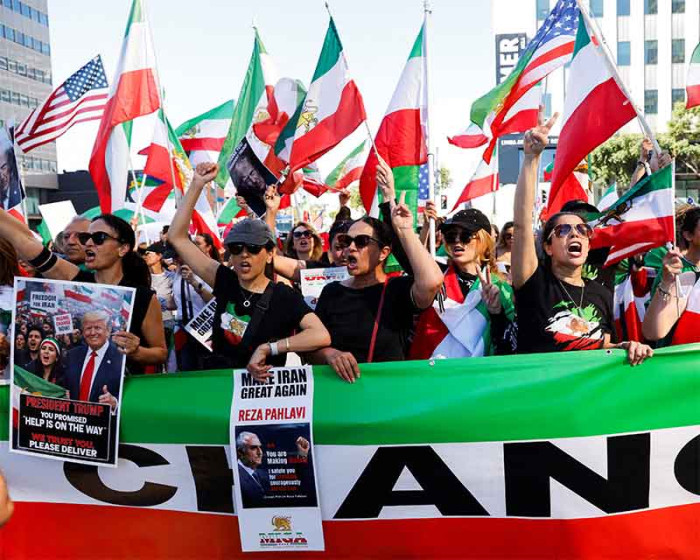
The narrative unfolding in Iran today is one of deepening desperation and defiance, a story that began not with thunderous clashes but with a quiet act of symbolic rebellion. On January 7, 2026, protesters in Tehran boldly renamed a central street after former U.S. President Donald Trump, a provocative nod to perceived external allies against the theocracy. This audacious move, captured in smuggled videos that briefly pierced Iran's digital veil, set the tone for what would become a nationwide uprising. By January 9, protests erupted across major cities—Tehran, Isfahan, Shiraz—fueled by economic collapse, youth disenfranchisement, and simmering resentment over mandatory hijab laws and corruption. Demonstrators chanted "Woman, Life, Freedom," echoing the 2022 Mahsa Amini protests, but this time with a sharper edge, incorporating anti-regime graffiti and makeshift barricades.
As the days wore on, the regime's response hardened. By January 15-16, reports emerged of a jailed couple in Tehran becoming symbols of resistance—their plight, shared via VPNs, humanized the struggle, drawing international sympathy. A poignant image of a defiant woman holding a placard amid tear gas on January 16 went viral on exile platforms like X (formerly Twitter), amplifying calls for global action. Yet, the crackdown intensified: by January 23, the death toll from security forces' gunfire and beatings had surged to 5,002, according to human rights groups tallying hospital records and eyewitness accounts leaked before blackouts.
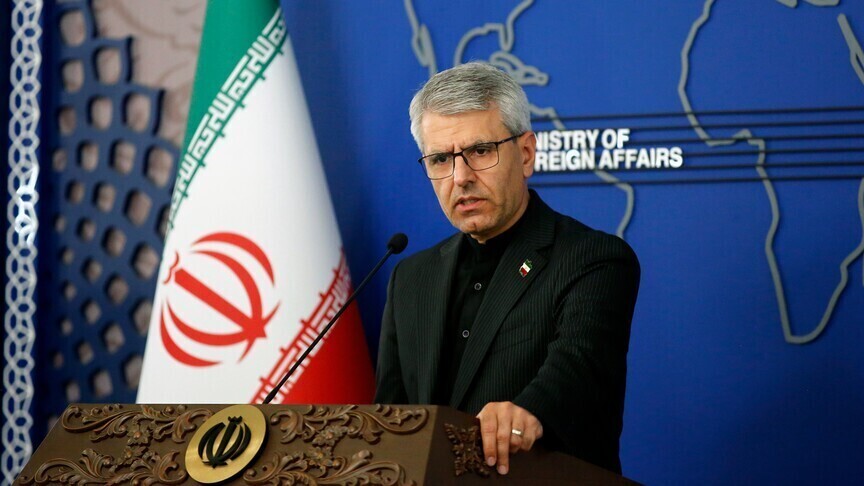
Fast-forward to April 2026, and the unrest has metastasized. Confirmed reports from Iran International and the Jerusalem Post detail the executions of at least five individuals this week alone, all tied to January's protests. Two men were hanged for allegedly attempting to storm a military facility, as announced by Mizan Online, the judiciary's news outlet—a move decried by Amnesty International as "summary justice." Parallel coverage from Bangkok Post and Straits Times corroborates the hangings, framing them as part of a "wartime crackdown" amid Iran's proxy conflicts with Israel and the U.S., which tie into the intensifying Middle East strike.
Compounding this brutality is the internet shutdown, verified by NetBlocks as the longest nationwide blackout on record—surpassing even the 2019 fuel protests. For over 72 hours straight, Iran's 85 million citizens have been plunged into digital darkness, with mobile data throttled to 5-10% capacity. This isn't mere censorship; it's a deliberate strategy to choke information flow, preventing coordination among protesters and silencing live streams of executions.
But herein lies the untold angle: emerging signs of military dissent. Anonymous sources, speaking to exile media like Iran International, describe IRGC conscripts and mid-level officers refusing orders to fire on crowds. Whispers on Telegram channels run by dissidents report soldiers smuggling food to protesters or leaking execution site coordinates. One unconfirmed but circulating X post from @IranWireEN claims a Basij militiaman defected in Qom, citing "blood on our hands" after witnessing a public hanging. These fissures, triggered by the regime's unyielding brutality, represent a seismic shift. Unlike prior unrests, where loyalty held firm through indoctrination and paychecks, today's soldiers—many young conscripts from impoverished families—face moral reckonings amplified by smuggled footage of tortured nurses (March 15 event) and executed protesters (March 19 in Qom).
Recent events underscore the volatility: On April 1, allegations of "Mossad infiltration" in protests fueled paranoia, while the regime recruited teens for Tehran security. Earlier, pro-Mojtaba (Supreme Leader Khamenei's son) rallies on March 9 clashed with anti-regime fervor, and a pro-government counter-demonstration on March 24 against U.S.-Israel "war" rang hollow amid regime collapse fears. This timeline paints a regime cornered, lashing out with executions to reassert control, only to erode its own foundations.
The Players
At the epicenter is Iran's theocratic leadership: Supreme Leader Ali Khamenei, 87 and frail, whose son Mojtaba looms as a potential successor amid "pro-Mojtaba protests." The IRGC, the regime's praetorian guard commanding 190,000 troops and vast economic empires, enforces the crackdown but shows cracks—conscripts, paid meagerly ($100/month), chafe under orders amid their families' suffering from 50% inflation.
Protesters, led by youth (60% under 30) and women, draw from diverse grievances: economic sanctions, hijab enforcement, and proxy war costs. Symbols like the Trump street renaming rally exiles and diaspora activists abroad.
Internationally, the UN Human Rights Council has condemned the executions, with U.S. and EU envoys pushing resolutions. Israel monitors closely, given IRGC-backed Hezbollah threats. NetBlocks and Amnesty provide data-driven pressure, while Russia and China offer tacit support via arms and UN vetoes. For deeper insights into Iran's shifting alliances and domestic fallout, see our related coverage.
Motivations clash: The regime seeks survival through terror; soldiers grapple with conscience versus coercion; protesters demand dignity, risking death for change.
Middle East Strike: The Stakes
Politically, this risks regime implosion—executions, meant to deter, instead breed revulsion, per psychological studies on authoritarian overreach (e.g., Syria 2011). Economically, blackouts halt $10B in annual e-commerce, exacerbating 40% unemployment. Humanitarily, the toll is staggering: beyond 5,000 January deaths, recent hangings traumatize communities, with reports of tortured nurses (March 15) highlighting IRGC abuses.
For the military, moral dilemmas loom—defections could cascade, as in 1979's revolution when 10% of forces flipped. Globally, escalation threatens oil chokepoints like the Strait of Hormuz, spiking prices 20% already, as detailed in our analysis of satellite secrecy escalating Iran-US tensions. The unique vulnerability: internal fracturing accelerates unrest, independent of external aid, mirroring Soviet-Afghan war defections that hastened collapse. Track these risks via our Global Risk Index.
Market Impact Data
Geopolitical tremors from Iran's unrest are rippling through global markets, with oil futures surging 5-7% on blockade fears, pressuring equities and crypto. Bitcoin (BTC) has dipped 3% intraday amid risk-off cascades, while the S&P 500 (SPX) shed 1.2% in early trading.
Catalyst AI Market Prediction
Powered by The World Now's Catalyst Engine, our AI models forecast:
- BTC: Predicted ↓ (medium confidence) — Causal mechanism: Risk-off liquidation cascades from geopolitical oil shock treat BTC as high-beta risk asset. Historical precedent: 2022 Ukraine invasion dropped BTC 10% in 48h. Key risk: dip-buying by institutions. Calibration: Past 11.9x overestimation narrows range.
- SPX: Predicted ↓ (high confidence) — Causal mechanism: Risk-off positioning and inflation fears from oil surge hit broad equities. Historical precedent: 2019 Saudi attack dropped SPX 6% in week. Key risk: energy sector outperformance offsets.
- BTC: Predicted ↓ (medium confidence) — Causal mechanism: Geopolitical risk-off triggers algorithmic selling and liquidations in crypto as BTC leads risk assets lower. Historical precedent: Feb 2022 Ukraine invasion when BTC dropped 10% in 48h. Key risk: Spot ETF inflows accelerate on dip, reversing sentiment.
- SPX: Predicted ↓ (high confidence) — Causal mechanism: Immediate risk-off selling across equities on Middle East escalation headlines and oil spike. Historical precedent: 2020 Soleimani strike saw SPX drop 3% in one day. Key risk: US diplomatic de-escalation announcements spark relief rally.
- BTC: Predicted ↓ (medium confidence) — Causal mechanism: BTC leads risk-off crypto cascade via liquidations as oil shocks trigger broad sentiment selloff. Historical precedent: Feb 2022 Ukraine invasion dropped BTC 10% in 48h. Key risk: Haven narrative gains traction amid fiat weakness.
- SPX: Predicted ↓ (medium confidence) — Causal mechanism: Risk-off equity flows on Middle East tensions and oil surge raising inflation fears, hitting algos first. Historical precedent: 2006 Israel-Hezbollah war saw S&P 500 fall 2% in a month. Key risk: Oil pullback on supply reassurances.
Predictions powered by The World Now Catalyst Engine. Track real-time AI predictions for 28+ assets. Explore more at Catalyst AI — Market Predictions.
Looking Ahead
The horizon darkens with peril and possibility. Continued executions and blackouts—potentially extending into weeks—could precipitate a defection wave within 6-12 months, fragmenting IRGC command and sparking localized uprisings in Sunni Baluchistan or Kurdish northwest. Scenarios range from negotiated power shift (Khamenei conceding to a "reformist" council) to full escalation, with militias seizing armories.
Internationally, expect UN Special Rapporteur visits by May, layered sanctions targeting IRGC oil smuggling ($20B/year), emboldening defectors via amnesty promises. A broader crisis looms if proxies like Houthis intensify Red Sea attacks, drawing U.S. intervention. For context on the overlooked refugee crisis threatening stability, check related reports.
Key dates: April 19 (Iranian New Year preps amid unrest); May UNHRC session. Global monitoring is imperative—history shows ignored fractures (Romania 1989) lead to bloodbaths, while timely pressure (Tunisia 2011) averts them. For Iran's weary soldiers and grieving families, the choice between loyalty and humanity may redefine a nation.
This is a developing story and will be updated as more information becomes available.