
Middle East Strike: Iran's Internal Turmoil – How Leadership Uncertainty Fuels Strait of Hormuz Standoff
The Story
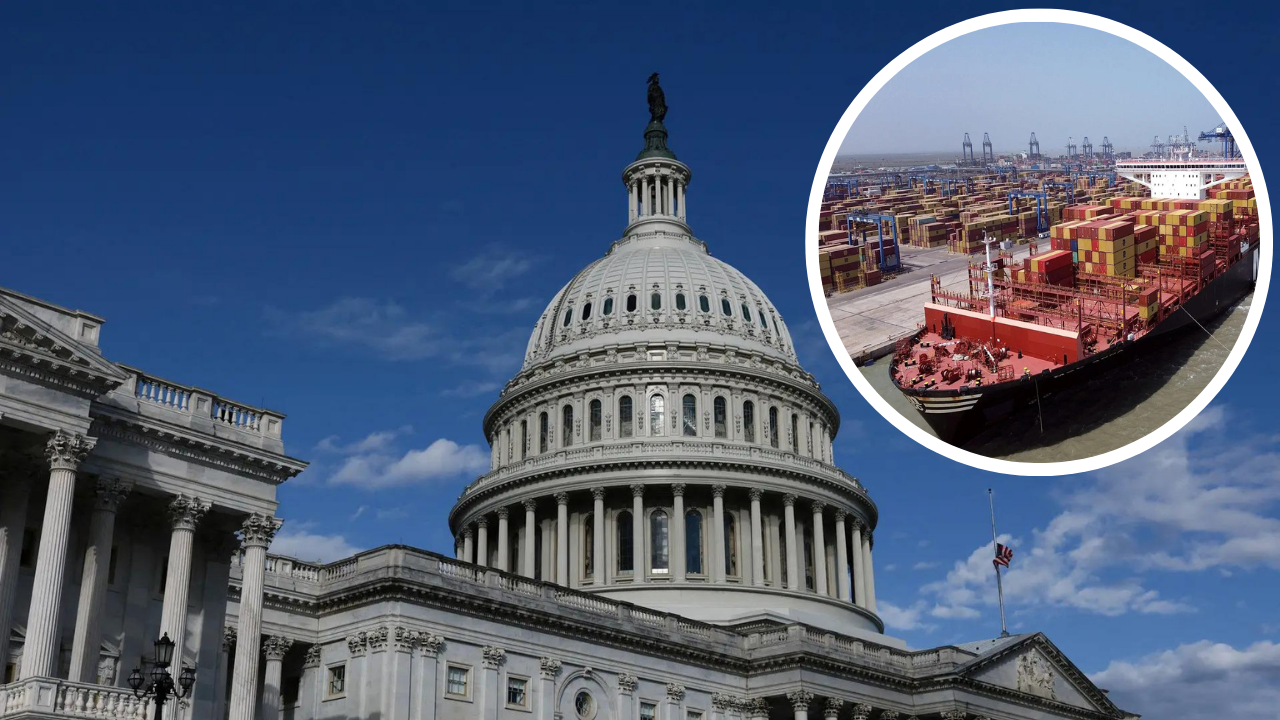
The Strait of Hormuz standoff, now verging on open confrontation as part of the Middle East strike, traces its roots to a cascade of provocations that began intensifying in January 2026, but the current flashpoint is amplified by whispers of chaos within Iran's ruling elite. Picture this: fishermen in the Persian Gulf, whose livelihoods depend on safe passage, now navigate minefields of rhetoric and rumored deployments. Tanker captains from Japan to Europe reroute at enormous cost, while families in Tehran grapple with power shortages that could worsen if U.S. strikes materialize.
The spark ignited on January 27, 2026, when Iran issued its starkest warning yet: an "existential war" over U.S.-Israeli attacks, framing any Hormuz interference as a red line. Just three days later, on January 30, the U.S. countered with explicit threats to strike Iranian targets, setting a pattern of tit-for-tat escalation. By February 26, a "countdown to escalation or deal" loomed, coinciding with broader U.S.-Iran political disputes that saw naval assets massing in the Gulf. Fast-forward to March 8, when Hong Kong firms began adapting supply chains—rerouting shipments and stockpiling fuel—illustrating how even distant economies feel the tremor of these disputes, echoing the 1980s Tanker War when Iraq and Iran targeted shipping, spiking global oil prices by 100%.
Recent weeks have accelerated the drama. On March 15, U.S. strike threats targeted Kharg Island, Iran's key oil export hub, while Germany rejected a Hormuz military mission, highlighting alliance fractures. That same day, reports emerged of Iran-Russia-China military cooperation, suggesting Tehran seeking backers. March 18 brought U.S. warnings on Iranian nuclear sites and Iran's vows of retaliation post-South Pars gas field attacks. By March 19, Europe backed U.S. Hormuz efforts, U.S. Marines planned operations, and Trump threatened Iran's gas fields.
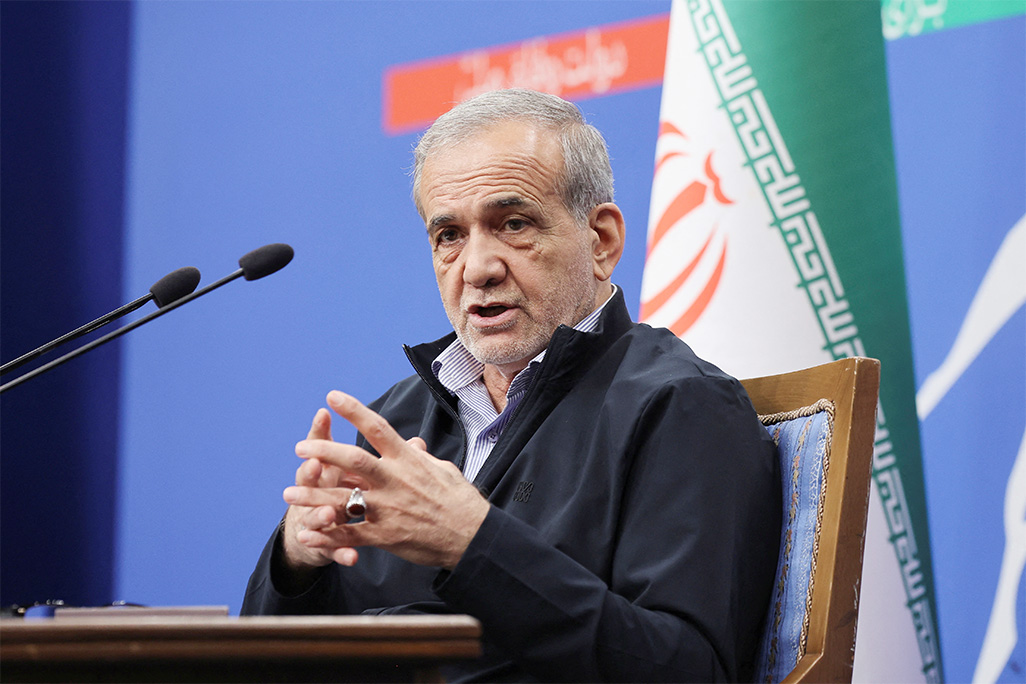
Enter the internal turmoil: On March 21, intelligence agencies worldwide were "stumped" by Mojtaba Khamenei's disappearance, as reported by Newsmax. Confirmed sightings ceased weeks ago; unconfirmed rumors swirl of house arrest or defection amid factional infighting between hardliners and pragmatists. Mojtaba, long seen as the clerical heir apparent, oversaw intelligence and proxy militias—his void could paralyze decision-making. This overlays recent external moves: Trump's bombast claiming the U.S. has "blown Iran off the map" (Times of India) and threats to power plants if Hormuz closes (Al Jazeera). Iran's President Pezeshkian demanded cessation of "U.S.-Israeli aggression" (Cyprus Mail), while offering safe passage selectively to Japan (Straits Times)—a divide-and-rule tactic amid 20+ nations pledging escort efforts (Straits Times). The U.S. military deems Iran's threat "degraded" (Straits Times), yet G7 vows action to protect energy supplies (The Star Malaysia, Straits Times). Lt. Gen. Fallon affirmed U.S. capability to reopen the strait (Newsmax).
This narrative isn't just military posturing; it's human. Iranian dissidents whisper of street protests reigniting over blackouts, while Gulf mariners' families pray for de-escalation—echoing deeper fractured bonds in Iran's internal unrest. Historical echoes abound: The 1979 Revolution birthed U.S.-Iran enmity, 1980s tanker attacks killed hundreds, and 2019 Aramco strikes previewed oil shocks. Today's crisis, laced with leadership opacity, risks repeating those tragedies on a grander scale, with broader implications for Middle East strike ripple effects on global travel.
Middle East Strike: The Key Players
At the epicenter: Iran's opaque leadership. Supreme Leader Ali Khamenei, 86 and ailing, grooms successors amid health rumors. Mojtaba, 56, his shadowy son, commanded Basij forces and IRGC intelligence—his vanishing (unconfirmed cause: coup fears or illness) pits IRGC hardliners against reformist President Masoud Pezeshkian, who seeks diplomacy but faces existential threats. Motivations: Rally domestic support via external defiance, as internal woes (sanctions, protests) erode legitimacy.
U.S. President Donald Trump dominates the Western side, leveraging bombast—"blown Iran off the map"—to project strength pre-midterms. Backed by military brass like Fallon, his threats target infrastructure to deter closure without full invasion. Motivations: Energy security for allies, domestic wins on inflation.
G7 nations (U.S., UK, Germany, France, Italy, Japan, Canada) coalesce unusually, demanding halt to attacks and backing patrols. Japan, Iran's top oil buyer, secures passage offers, balancing trade with security. Over 20 countries (including Australia, South Korea) volunteer escorts, motivated by import reliance—Europe 20% oil-vulnerable. This global alliances reshape the Middle East strike standoff significantly.
Iran's allies: Russia and China eye deepened ties (March 15 pact), supplying arms for leverage against U.S. sanctions. Israel lurks, post-strikes fueling "existential war" cries. For more on shifting international alliances in this Middle East strike, see related analysis.
Human faces: Gulf fishermen, Iranian engineers facing strikes, global consumers bracing for $100+/barrel oil.
The Stakes
Politically, a Hormuz blockade could topple Iran's regime—starving oil revenues (80% exports)—or unify factions behind hardliners, elevating scores on the Global Risk Index. U.S.: Escalation risks quagmire, but inaction emboldens proxies. G7 fractures loom if Europe balks (Germany's March 15 rejection).
Economically: 21 million barrels/day at risk—5x Suez Canal. Blackouts in Iran, rerouting adds $1B/week (historical precedent). Humanitarian: Refugee surges, civilian deaths from strikes (1980s: 400+ ships hit).
Globally: Energy shock hits poor nations hardest—India, Africa face fuel poverty. Alliances shift: NATO strains, China gains if U.S. distracted.
Market Impact Data
Markets convulse as Hormuz fears ignite risk-off cascades. Oil surges on supply disruption bets, USD strengthens as haven, equities/crypto plunge.
Catalyst AI Market Predictions (The World Now Catalyst Engine):
- OIL: Predicted + (medium confidence) — Direct supply fears from strikes/shipping lanes; 2019 Aramco precedent: +15% in a day. Risk: No damage confirmed, reversal.
- USD: Predicted + (medium confidence) — Safe-haven flight; Jan 2020 Soleimani: DXY +0.5% intraday. Risk: Quick de-escalation.
- SPX: Predicted - (high confidence) — Risk-off on oil/inflation; Jan 2020 Soleimani: -0.7%; Apr 2019 Saudi: -1.8%/week. Risk: Contained to energy.
- SPX: Predicted - (medium confidence) — Algo deleveraging; 2022 Ukraine: -5% in 48h. Risk: U.S. policy caps.
- SPX: Predicted - (medium confidence) — Oil fears slow growth; 2019 Aramco: -2% day. Risk: Ceasefire unwind.
- BTC: Predicted - (medium confidence) — Risk asset liquidation; 2022 Ukraine: -10% 48h. Risk: Institutional buying.
- BTC: Predicted - (medium confidence) — Geo shocks cascade; Feb 2022: -10%. Risk: Safe-haven shift.
- BTC: Predicted - (low confidence) — Correlated to SPX; 2022 Ukraine: -10%. Risk: ETF flows.
- SOL: Predicted - (low confidence) — High-beta crypto hit; 2022 Ukraine: -15% 48h. Risk: Retail dip-buy.
- SOL: Predicted - (low confidence) — Contagion from equities; 2022: -15%. Risk: Meme rebound.
- SOL: Predicted - (low confidence) — Liquidations; 2022 precedent. Risk: Quick recovery.
- ETH: Predicted - (low confidence) — BTC correlation/DeFi delever; 2022: -12% 48h. Risk: ETF inflows.
- EUR: Predicted - (low confidence) — Risk-off vs USD; 2011 Syria: -2%. Risk: ECB hawkishness.
Predictions powered by The World Now Catalyst Engine. Track real-time AI predictions for 28+ assets. Explore AI's role in Middle East strike escalations.
Looking Ahead
Internal Iranian instability—Mojtaba's void signaling infighting—could spur erratic Hormuz moves, rallying nationalists but inviting U.S. intervention (power plants, Kharg). Scenarios: (1) Escalation—accidental clash spirals to war, oil $150/barrel, SPX -10%; (2) Diplomacy—G7/20-nation coalition brokers passage, Pezeshkian leverages Japan ties; (3) Chaos—leadership transition prolongs crisis, proxies (Houthis) disrupt Red Sea too.
Timeline: Watch March 25 G7 summit; Khamenei health updates; U.S. carrier rotations. Unresolved succession risks months of volatility, humanizing the toll: Iranian families in dark, global poor paying premiums. Diplomatic windows narrow as factions harden.
This is a developing story and will be updated as more information becomes available.
Catalyst AI Market Prediction
Our AI prediction engine analyzed this event's potential market impact:
- EUR: Predicted - (low confidence) — Causal mechanism: Risk-off weakens EUR vs USD safe-haven as Europe exposed to energy imports. Historical precedent: 2011 Syrian crisis saw EUR drop 2% amid volatility. Key risk: ECB hawkishness on oil inflation supports EUR.
- SOL: Predicted - (low confidence) — Causal mechanism: Risk-off contagion from equity selloff hits high-beta crypto via liquidations. Historical precedent: 2022 Ukraine invasion dropped SOL 15% in 48h initially. Key risk: dip-buying by retail reasserts quickly.
- BTC: Predicted - (low confidence) — Causal mechanism: Correlated risk-off flows from SPX trigger BTC liquidations as risk asset. Historical precedent: Feb 2022 Ukraine invasion dropped BTC 10% in 48h. Key risk: safe-haven narrative gains traction amid USD weakness.
- SPX: Predicted - (medium confidence) — Causal mechanism: Risk-off selling triggered by oil supply fears raising inflation expectations and economic slowdown concerns, amplified by algo flows. Historical precedent: Similar to 2019 Iranian attacks on Saudi Aramco when S&P 500 dropped 2% in one day. Key risk: swift de-escalation via ceasefire talks unwinds risk-off positioning.
- ETH: Predicted - (low confidence) — Causal mechanism: Risk-off cascades hit ETH via BTC correlation and DeFi delever. Historical precedent: Feb 2022 Ukraine drop of 12% in 48h. Key risk: ETF inflows counter.
- USD: Predicted + (medium confidence) — Causal mechanism: Safe-haven demand surges as investors flee risk assets amid Iran-Israel-US escalation disrupting global energy. Historical precedent: Similar to Jan 2020 Soleimani strike when DXY rose 0.5% intraday. Key risk: swift de-escalation reduces haven flows within 24h.
- OIL: Predicted + (medium confidence) — Causal mechanism: Direct supply disruption fears from Iran strikes on Gulf energy sites and shipping lanes trigger speculative buying. Historical precedent: 2019 Iranian Aramco attacks surged oil 15% in one day. Key risk: interceptions confirm no damage, sparking reversal.
Predictions powered by The World Now Catalyst Engine. Track real-time AI predictions for 28+ assets.