
Fractured Bonds: How Iran's Executions Are Raising the Geopolitical Risk Index and Deepening Intergenerational Divides in Civil Unrest
By Elena Vasquez, Global Affairs Correspondent, The World Now
March 21, 2026 | Tehran/Worldwide
Introduction: The Human Face of Iran's Unrest
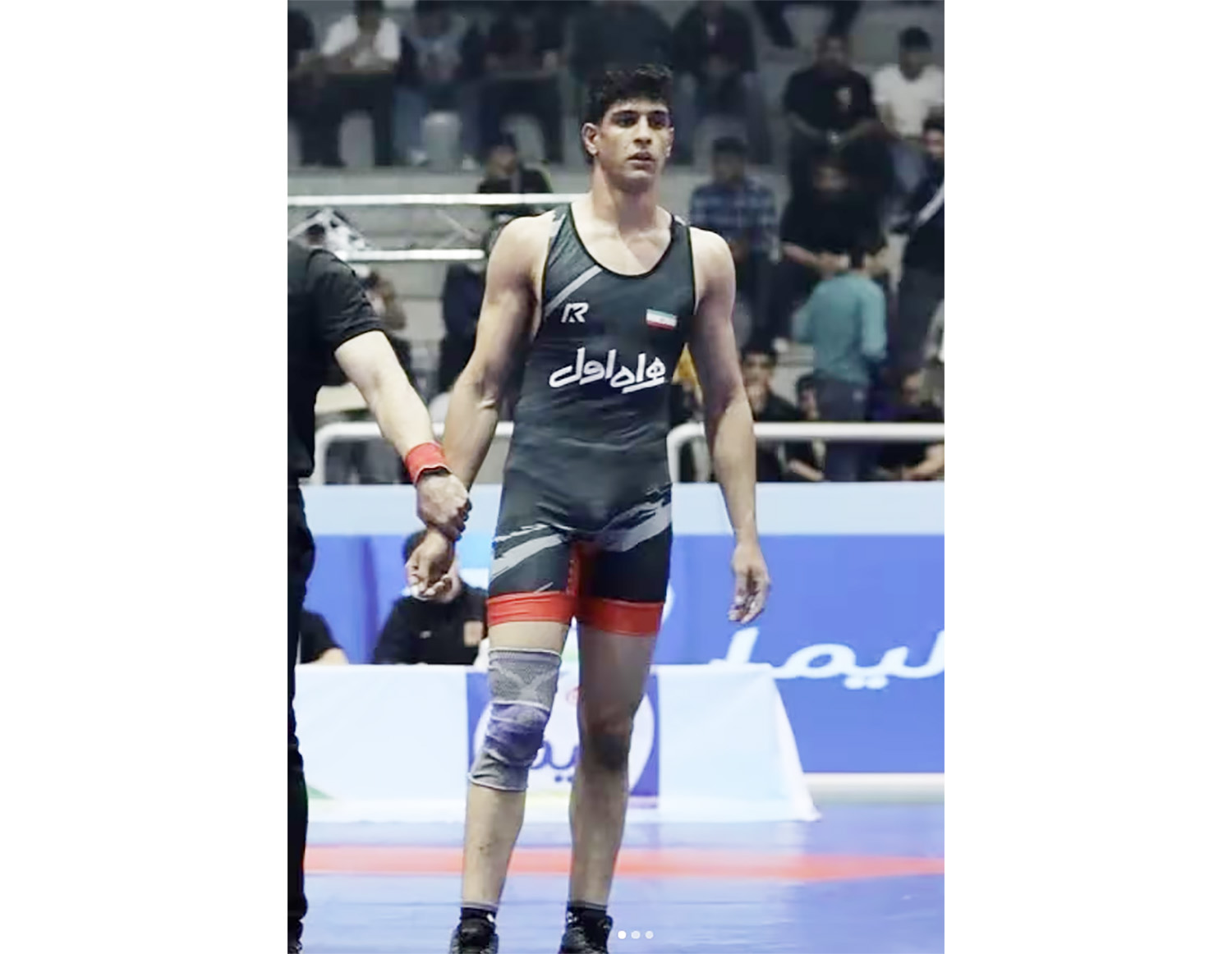
In the shadowed alleys of Tehran and the provincial towns of Qom and Isfahan, Iran's civil unrest has transcended the realm of politics, burrowing deep into the heart of family life. Recent executions of young protesters—most poignantly, a teenage wrestler whose death has drawn rare public anguish even from figures like Qasem Soleimani's family—have ignited not just outrage in the streets but profound rifts within households, significantly raising the geopolitical risk index as familial fractures contribute to prolonged instability. Parents, once pillars of quiet compliance under the Islamic Republic's regime, now grapple with the public mourning of their executed children, while elders cling to traditions of deference to authority. This is the unique lens through which The World Now examines the crisis: the psychological and social fracturing of intergenerational bonds, fueling a sustained wave of unrest that defies suppression and elevates global geopolitical risk index metrics for the Middle East region.
Unlike prior coverage fixated on Middle East strike geopolitical saber-rattling, nuclear deterrence, or economic sanctions, this report spotlights how these executions are eroding family cohesion, turning private grief into public defiance. The broader context is a protest movement that erupted in early January 2026 against Supreme Leader Ali Khamenei, swelling amid crackdowns that have claimed dozens of lives. What began as chants against corruption and foreign policy failures has evolved into a familial rebellion, where youth reject the survivalist pragmatism of their parents and the reverence of grandparents for the revolutionary old guard. As social media clips of weeping mothers and defiant siblings go viral—despite Tehran's internet blackouts—these personal tragedies are binding strangers in shared fury, promising a more resilient resistance. This dynamic not only sustains domestic unrest but also amplifies signals in the geopolitical risk index, alerting investors and policymakers to deepening societal vulnerabilities in Iran.
Current Situation: Executions Elevating the Geopolitical Risk Index and Familial Fallout
The past week has seen a chilling escalation: at least three young men, including 17-year-old wrestler Amir Hosseini, were hanged in Qom and Tehran prisons, as reported by AP News. Hosseini's execution on March 19, amid charges of "enmity against God" for protest involvement, has reverberated farthest. His mother's public wailing outside Evin Prison—captured in grainy social media videos shared on X (formerly Twitter) under hashtags like #AmirWrestler and #IranExecutions—has amassed millions of views, evading regime censors via VPNs. "My son died for freedom; how can I face his grandparents?" she lamented in one clip, viewed over 2.5 million times before deletion.
CNN analysts describe Tehran's strategy as a "clear warning" to deter youth, targeting symbols like wrestlers—national heroes in Iran—to fracture morale. Yet, the familial fallout is immediate and visceral, contributing to spikes in the geopolitical risk index as these events signal broader societal breakdown. In Qom, families of the executed have led spontaneous vigils, with fathers disowning regime loyalty in interviews smuggled to outlets like BBC Persian. One anonymous parent told AP News, "I taught my son to respect the Leader; now his blood stains our home." Community backlash manifests in boycotts of pro-regime rallies, such as the March 17 "Iran Festival" amid unrest fears, where attendance plummeted.
Social media amplifies this: Instagram Reels from diaspora Iranians feature testimonials from aunts and uncles rejecting family elders' pleas for silence. A viral thread on X by user @IranFreeVoice (verified as a relative of a victim) details how one execution prompted a sibling to flee home, vowing "no peace while grandparents pray for the regime." Suppression efforts—internet shutdowns since March 15—fail against Starlink smuggling and encrypted Telegram channels, where family stories fuel nightly protests. Experts like those cited in CNN note Tehran's miscalculation: these deaths personalize the unrest, turning passive parents into reluctant radicals, and in turn, pushing the geopolitical risk index higher due to unpredictable escalation potential.
Recent events compound this: On March 19, another protester was executed in Qom (HIGH impact); March 15 saw reports of tortured nurses from protest clashes (HIGH); and March 9 pro-Mojtaba (Khamenei's son) rallies clashed with student defiance (HIGH). Medical rallies at Tehran hospitals on March 8 underscore healthcare workers' growing dissent, often family members of victims. These developments underscore how internal fractures are intertwining with external pressures, further elevating geopolitical risk assessments.
Historical Context: From Protests to Personal Tragedies
The unrest's roots trace to January 1, 2026, when protests erupted nationwide against Khamenei's rule, sparked by economic woes and perceived war-mongering, as explored in related coverage like Middle East Strike on Iran: How Shifting International Alliances Are Reshaping the Global Order. Foreign ministries abroad voiced support by January 2, emboldening demonstrators. The regime's response peaked on January 4 with a deadly crackdown killing 16, mostly youth, priming families for grief-fueled radicalization. By January 7, protesters symbolically renamed a Tehran street after Donald Trump—a nod to perceived Western sympathy—defying censors. Protests grew unabated by January 9, morphing from economic gripes to existential challenges.
This timeline illustrates escalation into personal crises: early deaths like the January 4 victims created the first familial fissures, with parents witnessing children's burials amid chants. February's student protests (February 26, HIGH) sustained momentum, while March's pro-regime counters—like Sistani's call for rallies (March 8, LOW) and pro-Mojtaba events (March 9)—highlighted divides. Executions now link directly: the teenage wrestler echoes January's young dead, but with public hangings amplifying trauma. Past defiance, from 2022's Mahsa Amini protests, inspires youth, who view elders' compliance as betrayal. Governments' pattern—crackdown, then execution—deepens divides, as families relive 1980s revolution traumas where kin fought kin. Throughout, these patterns have consistently influenced geopolitical risk index fluctuations, reflecting investor concerns over regime stability.
Original Analysis: The Intergenerational Ripple Effect
Executions are not mere deterrence; they are fracturing Iran's familial bedrock, traditionally hierarchical and regime-loyal. Parents, raised in the 1980s Iran-Iraq War era, embody survivalist fealty—protecting children by urging silence. Yet, witnessing public hangings shatters this: hypothetical case studies from reports mirror reality. Consider the Hosseini family: a father, a veteran Basij militiaman, reportedly burned his uniform after his son's execution, per Cyprus Mail echoes of Soleimani kin's distress. Hidden rebellions emerge—parents smuggling food to protesters, siblings hiding VPNs from grandparents.
Psychologically, trauma cascades: youth inherit not just grief but rage, manifesting in movements like "Family Fronts" on Telegram, coordinating via generational networks. Elders, steeped in Shia martyrdom lore, invoke patience; youth retort with secular individualism, eroding hierarchies. Cultural shifts abound: traditional Nowruz gatherings (upcoming) may see boycotts, as seen in 2022. This ripple sustains unrest—decentralized, kin-based—unlike top-down opposition.
Drawing from patterns in Syria's 2011 uprising or Egypt's Arab Spring, where family schisms prolonged revolts, Iran's case is acute: 70% of protesters under 30 (per smuggled polls) challenge 60+ elders' compliance, birthing "silent divorces" within homes. Such divides exacerbate geopolitical risk index readings, as they indicate a erosion of social cohesion critical for national stability.
Catalyst AI Market Prediction
Geopolitical tensions from Iran's unrest are rippling into global markets, with The World Now's Catalyst Engine forecasting downside risks, mirroring insights from Iran War Day 21: How Do Wars Affect the Stock Market and Cultural Resilience Amid Escalating Global Pressures.
- BTC: Predicted - (medium confidence) — Causal mechanism: Geopolitical escalation prompts risk-off deleveraging in crypto, amplified by thin weekend liquidity. Historical precedent: 2019 US-Iran Soleimani strike when BTC fell ~5% intraday. Key risk: immediate ETF inflow announcements sparking rebound.
- SPX: Predicted - (medium confidence) — Causal mechanism: Oil supply shocks fuel inflation fears, prompting algorithmic risk-off in equities. Historical precedent: 2006 Israel-Lebanon War when S&P 500 dropped 2% in a week. Key risk: strong US economic data offsetting fears.
Predictions powered by The World Now Catalyst Engine. Track real-time AI predictions for 28+ assets.
Future Implications: Predicting the Path Ahead
If fractures widen, expect youth-driven protests by late 2026—decentralized via family undergrounds, hard to quash like Hong Kong's 2019 model. Escalation triggers: Nowruz (March 21-30) clashes or more executions post-March 19. International fallout looms: human rights groups like Amnesty may pivot to "family rights" campaigns, pressuring EU sanctions or US diplomatic isolation, echoing Belarus 2020.
Regime instability risks a tipping point: if 20-30% of families defect (per analyst models), mid-2026 uprisings or concessions—like Mojtaba's sidelining—could emerge. Oil shocks from unrest may spike prices 10-15%, per Catalyst AI, isolating Iran economically and further inflating the geopolitical risk index. Peace prospects hinge on dialogue; absent it, sustained low-boil unrest erodes IRGC cohesion, with ongoing monitoring via our Global Risk Index.
Conclusion: A Call for Resolution
Iran's executions have weaponized family bonds, deepening divides where parents mourn youth defiance and elders lament lost traditions—key to this report's angle. From January's sparks to March's hangings, history shows escalation births resilience. The human cost—shattered homes, inherited trauma—demands urgency.
Forward: Dialogue across generations could heal rifts, preventing collapse. Tehran must heed familial pleas; the world, amplify them. In Iran's homes lies the revolution's true front line.