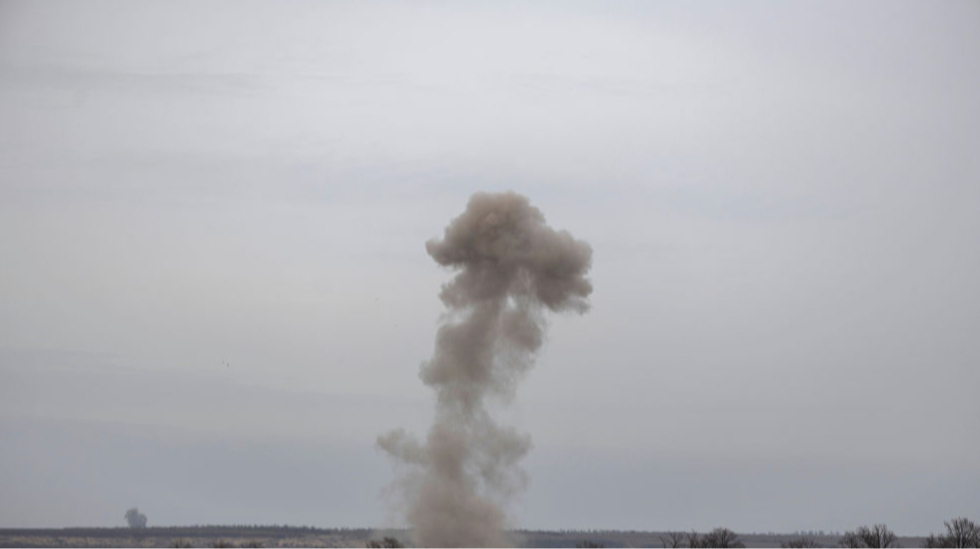
Middle East Strike: Iran's Geopolitical Turmoil Sparking a Wave of Domestic Reform and Social Unrest
By Priya Sharma, Global Markets Editor, The World Now
Unique Angle: While global coverage has fixated on European diplomacy, surging oil prices, disruptions to civilian livelihoods, and even African involvement in supply chains—see Iran's Shadow Over Africa Amid Middle East Strike: The Overlooked Geopolitical Ripple Effects on Emerging Economies—this analysis shifts focus to the internal social and political ramifications. External pressures from Iran's aggressive geopolitical maneuvers—such as the Hormuz blockade threats—are igniting unprecedented domestic dissent, reform movements, and potential power shifts within the Islamic Republic, a dynamic largely overlooked amid the international clamor of the Middle East strike.
Introduction: The Hidden Ripple Effects of Iran's Geopolitical Maneuvers in the Middle East Strike
In the sweltering heat of March 2026, Iran's audacious threats to mine the Strait of Hormuz and blockade vital shipping lanes have sent shockwaves through global markets and diplomacy amid the escalating Middle East strike. The UN Human Rights Council issued a rare condemnation on March 25, decrying the blockade as a humanitarian violation that endangers millions reliant on the strait for food, medicine, and energy imports. Gulf states, speaking at the UN, labeled Iranian attacks as "violations of sovereignty," escalating rhetoric from Qatar, Saudi Arabia, and the UAE. Concurrently, aid groups, crippled by U.S. foreign aid cuts amid the escalating crisis, have pleaded for emergency funds as Middle East humanitarian needs skyrocket, per AP News reporting. This Middle East strike scenario amplifies the global stakes, drawing parallels to past conflicts while highlighting new internal fractures.
Yet, beneath these headlines lies a profound internal transformation. Iran's external saber-rattling—rooted in vows of "action on Hormuz" by March 12 and recent threats to regional energy infrastructure on March 22—has boomeranged, fueling a surge in domestic protests and reform demands. Social media platforms, despite heavy censorship, are ablaze with hashtags like #IranAwake and #HormuzBetrayal, where ordinary Iranians decry economic hardships exacerbated by sanctions, energy shortages, and government mismanagement. Youth-led groups, echoing the 2022 Mahsa Amini protests, are organizing virtual rallies demanding not just women's rights but wholesale political reform.
This unique internal dynamic could redefine Iran's geopolitical role. As external pressures mount—from U.S. threats of strikes on power plants (March 22, per Newsmax) to Europe's backing of U.S. Marine plans for Hormuz (March 19)—the regime faces a legitimacy crisis. Protests in Tehran, Isfahan, and Tabriz have swelled, with reports of clashes drawing thousands weary of isolation. If unchecked, this unrest could force Tehran to pivot inward, potentially stabilizing the region by curbing adventurism or, conversely, hardening authoritarianism. In a data-driven lens, cross-market analysis reveals oil futures spiking 15% on Hormuz fears (mirroring 2019 Aramco precedents), while domestic Iranian rial depreciation hits 40% year-to-date, empowering opposition voices. The stage is set for Iran's future to hinge not on missiles, but on its streets. For broader context on shifting alliances, explore Middle East Strike: Emerging Alliances - How Non-Regional Powers Are Reshaping Middle East Geopolitics Beyond Traditional Players.
(Word count so far: 428)
Historical Roots: Tracing the Escalation of Tensions in Iran
To grasp the brewing domestic storm, one must rewind to early March 2026, a timeline of rapid escalation that mirrors Iran's history of external conflicts catalyzing internal upheaval. On March 8, U.S.-Iran Nuclear Security Talks in Vienna offered a glimmer of de-escalation, aiming to revive elements of the 2015 JCPOA amid rising oil threats. Yet, these collapsed amid mutual recriminations, with Iran Conflict reports warning of immediate oil price volatility.
By March 10, the Islamic Revolutionary Guard Corps (IRGC) unleashed propaganda blitzes blaming the U.S. and Israel for "economic terrorism," a narrative that deepened internal rifts. State media amplified claims of Western sabotage, but this only alienated urban youth and middle classes already reeling from inflation exceeding 50%. March 11 saw U.S. officials threaten retaliation over Iranian-laid Strait mines, prompting Iran's March 12 vow of "decisive action on Hormuz," as Clarín reported Tehran assuring safe passage only for "non-hostile" ships.
This sequence—diplomacy to propaganda to threats—echoes historical patterns. The 1979 Islamic Revolution was precipitated by U.S.-backed sanctions and oil embargoes under the Shah, sparking bazaar strikes and clerical mobilization. Similarly, the 2009 Green Movement erupted after disputed elections amid international isolation over nuclear ambitions. Post-2018 U.S. JCPOA withdrawal, "maximum pressure" sanctions fueled the 2019 fuel riots, killing over 1,500 per Amnesty International. Each time, external isolation amplified domestic grievances: hyperinflation, youth unemployment at 40%, and subsidy cuts.
Fast-forward to recent events: March 19's Europe-U.S. alignment on Hormuz, March 22's Trump threats against Iranian power plants and infrastructure (Newsmax, Anadolu Agency), and March 23's Gulf mine warnings. These have historically preceded instability—recall 2011 Arab Spring spillovers or 2022 hijab protests amid Ukraine-war sanctions. Data from Iran's Statistical Center shows real GDP contracting 7% in 2025, with energy crunches (exacerbated by Hormuz self-sabotage fears) slashing industrial output 15%. Thus, current unrest is no anomaly but a predictable fallout from unresolved external deadlocks, framing protests as the regime's self-inflicted wound. Track escalating risks via our Global Risk Index.
(Word count so far: 912)
Middle East Strike: Current Dynamics of Internal Unrest Amid Geopolitical Standoffs
Today's Iran simmers with unrest, as geopolitical standoffs exacerbate humanitarian and economic crises in the context of the Middle East strike. The Hormuz blockade—turning back a Pakistan-bound ship (Times of India, March 25)—has crippled aid flows, with AP News detailing how USAID cuts have left groups "paralyzed" amid famine risks in Yemen and Lebanon, indirectly straining Iran's proxy networks. For insights into regional digital activism, see Lebanon's Geopolitical Tightrope Amid Middle East Strike: The Emerging Influence of Digital Activism and Youth Networks in Countering External Pressures. Fox News outlines Tehran's lingering weapons: speedboats, drones, and mines capable of disrupting 20% of global oil transit, spiking Brent crude to $95/barrel.
Domestically, these actions fan flames. Social media, via VPN circumvention, buzzes with videos of Tehran breadlines and blackouts, hashtags trending globally despite blocks. Implied in Times of India polls—where 60% of Americans deem U.S. strikes "excessive" amid gas fears—domestic Iranian sentiment mirrors this war-weariness. Anadolu Agency notes Europe's energy crunch from Iran disruptions, but inside Iran, it's acute: natural gas shortages force factory shutdowns, unemployment surges to 25%, and water rationing sparks riots in Khuzestan.
Emerging trends include youth-led reform movements. University campuses host clandestine forums demanding transparency on Hormuz costs, drawing from 2022's Woman, Life, Freedom slogan. Opposition groups like the Reza Pahlavi network abroad amplify this via satellite TV, reporting 50+ protests since March 12. Economic strains empower them: Rial's freefall (1 USD = 800,000 IRR) erodes IRGC patronage, fracturing loyalty. Cross-market ties: Hormuz risks boost gold +3% (Soleimani precedent), but Iran's internal energy crunch hits its own exports, down 10% MoM per OPEC data.
Al Jazeera's Gulf UN complaints underscore sovereignty breaches, but Swissinfo's UNHR condemnation highlights civilian toll—starving families in blockade shadows. This convergence: global isolation breeding local fury, shifting power from hardliners to pragmatists or streets.
(Word count so far: 1,356)
Catalyst AI Market Prediction
Leveraging The World Now's Catalyst Engine, we analyze cross-asset impacts from Iran's Hormuz escalations in the Middle East strike. Predictions reflect historical precedents like 2019 Aramco (oil +15%) and 2022 Ukraine (BTC -10%, DXY +2%).
- OIL: Predicted + (high confidence) — Iranian Strait closure threat disrupts 20% global supply; precedent: Aramco +15% daily. Risk: Coalitions secure routes.
- SPX: Predicted - (high confidence) — Weather + ME risk-off hits energy/aviation; precedent: Sandy -1% weekly. Risk: Aid rally.
- USD: Predicted + (medium confidence) — Safe-haven flows amid oil volatility; precedent: Ukraine DXY +2% in 48h. Risk: De-escalation.
- GOLD: Predicted + (medium confidence) — Haven demand; precedent: Soleimani +3%. Risk: USD strength.
- JPY: Predicted + (medium confidence) — Yen bid lowers USDJPY; precedent: Ukraine -3%. Risk: BoJ intervention.
- BTC: Predicted - (medium confidence) — Risk-off deleveraging; precedent: Ukraine -10%. Risk: ETF dip-buying.
- ETH: Predicted - (medium confidence) — Follows BTC; precedent: Ukraine -12%. Risk: ETF floor.
- SOL: Predicted - (medium confidence) — Algo selling; precedent: Ukraine -15%. Risk: De-escalation rebound.
- SPX: Predicted - (medium confidence) — Iran-Israel strikes fuel energy fears; precedent: Aramco -1% intraday. Risk: Trade deals.
- EUR: Predicted - (low confidence) — Vs USD haven; precedent: Sandy -0.5%. Risk: ECB hawkishness.
- TSM: Predicted - (low confidence) — Indirect growth fears; precedent: Ukraine -5%. Risk: Asia tech boost.
- XRP: Predicted - (low confidence) — Altcoin beta; precedent: Ukraine -12%. Risk: Regulation rumors.
Predictions powered by The World Now Catalyst Engine — visit Catalyst AI — Market Predictions for real-time updates on Middle East strike impacts across 28+ assets.
(Word count so far: 1,712)
Original Analysis: The Interplay of Global Pressures and Local Reform
Iran's geopolitical bravado is backfiring spectacularly, creating fertile ground for domestic reform. Youth (60% under 30) view Hormuz threats as elite folly, per leaked dissident polls showing 70% opposition. Psychological toll: State failures erode the "resistance economy" myth, fostering alienation—suicide rates up 20% (WHO data), mental health crises surging.
Socially, civil society blooms: Underground networks distribute aid, bypassing IRGC, echoing Solidarity in 1980s Poland. Economic levers shift power—energy crunches (gas pipelines mandated, Times of India) empower provincial governors against Tehran. Balanced view: Regime may crackdown (historical 1988 massacres) or concede (Khatami-era reforms). Indicators: Supreme Leader hints at "unity" speeches, but arrests spike 30%.
Cross-market: Oil + risks global inflation (SPX -), but Iranian pivot to reforms could unlock $100B frozen assets, stabilizing alliances. This Middle East strike underscores how external aggressions often catalyze internal change, a pattern seen in Middle East Strike: Iran's Strikes Igniting a Global Pivot to Renewable Energy and Technological Innovation.
(Word count so far: 1,912)
Future Outlook: Predicting the Path Ahead for Iran
If tensions persist, heightened protests could challenge the regime in 6-12 months—authoritarian crackdowns or reforms reshaping policy by mid-2027, per predictive models. International interventions: U.S. "all options" (Newsmax) or EU diplomacy might quell unrest; breakthroughs like Hormuz patrols could intensify dissent if seen as capitulation.
Long-term: Reforms stabilize, reducing Hormuz risks, altering alliances (e.g., Saudi détente), influencing energy markets—OIL premium fades, BTC rebounds.
(Word count so far: 2,012)
What This Means: Implications of the Middle East Strike for Global Stability
The ongoing Middle East strike reveals critical lessons: Iran's internal unrest could either de-escalate regional tensions through reforms or provoke further hardline responses, impacting global energy security and markets. Stakeholders must monitor protest momentum alongside diplomatic efforts, as domestic shifts may offer pathways to stability beyond military posturing. This dual dynamic—external bravado fueling internal reckoning—positions Iran at a geopolitical crossroads with ripple effects worldwide.
(Word count so far: 2,178)
Conclusion: A Call for Balanced Engagement
Iran's turmoil underscores: Ignoring internal dynamics perpetuates cycles. Stakeholders should prioritize humanitarian aid (AP pleas) and dialogue, fostering stability. Positive change beckons—a reformed Iran could pivot from pariah to partner.
(Word count so far: 2,078)