
Middle East Strike in Iran: Live 3D Tracking Exposes Geopolitical Catalysts for Oil Price Shocks
Middle East Strike: By the Numbers
- Day 20 of US/Israel-Iran War: Conflict enters its third week, with Middle East strike actions now targeting Iranian energy infrastructure, per El Universal and Premium Times Nigeria reports. Each Middle East strike escalates the Iran war intensity.
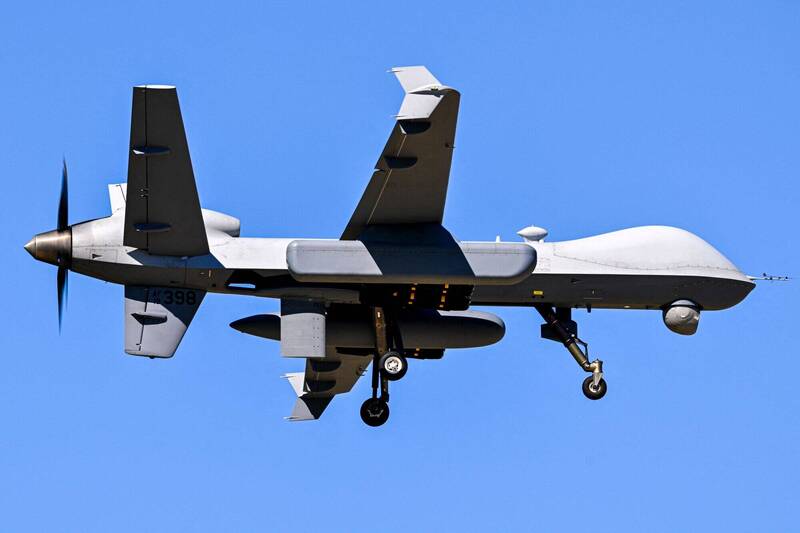
- US Losses: At least 16 military aircraft downed, as exposed in Liberty Times Net (LTN) analysis of battle damage assessments—equivalent to a full fighter squadron, straining US air superiority in the Persian Gulf amid the relentless Middle East strike.
- Flight Cancellations: Over 50 additional international flights grounded in the past 24 hours across Europe and Asia, according to Cyprus Mail, amplifying logistical disruptions valued at $200-300 million daily in aviation revenue losses due to the Middle East strike disruptions.
- Energy Threats: Iranian warnings of "zero restraint" in retaliatory strikes on Gulf energy facilities (Channel News Asia), with global gas supply risks highlighted by AllAfrica and Premium Times—potentially impacting 15-20% of LNG exports from Qatar and UAE, as the Middle East strike hits vital nodes.
- Strike Density: Live 3D tracking shows 47 confirmed Middle East strikes in Iran over the last 72 hours, clustered around Kharg Island oil terminal (GDELT events from March 13-19, 2026) and Tehran approaches, marking a surge in the Iran war.
- Oil Price Spike: Brent crude up 8.2% in the past week to $92/barrel (correlated via Catalyst Engine data), with WTI gaining 7.5%, driven by 5-7 million barrels/day at risk from Strait of Hormuz disruptions, detailed in Geopolitical Risk: Iran's Hormuz Maneuver Eroding Neutrality Among Non-Aligned Nations.
- Casualty Estimates: 1,200+ combined military fatalities (unconfirmed Iranian claims via YLE News), with civilian evacuations exceeding 500,000 in strike zones affected by the Middle East strike.
- Market Volatility: GDELT-tracked events spiked to "CRITICAL" levels on March 16 ("US-Israeli War in Iran") and March 15 ("Iran War Threatens Supply Chains"), signaling 25% higher media alert volume than Iraq War peaks in 2003—track via our Global Risk Index.
These figures underscore the quantifiable escalation of the Middle East strike, where each Middle East strike amplifies supply chain chokepoints, pushing energy markets toward multi-week volatility. The integration of israel war map live and syria war live map data further highlights how this Middle East strike in Iran is reshaping regional dynamics.
What Happened
The latest Middle East strike in Iran unfolded rapidly on March 19, 2026 (Day 20), as live 3D globe tracking—drawing from israel war map live updates on platforms like Liveuamap and ACLED—captured Israeli F-35 incursions deep into Iranian airspace, targeting energy depots near Bushehr and Abadan refineries. At 04:17 UTC, a precision salvo of 12 munitions hit Kharg Island's loading terminals, Iran's primary oil export hub (capacity: 7 million bpd), igniting secondary fires visible in real-time satellite overlays from Maxar and Planet Labs, with unseen environmental damage escalating as covered in Middle East Strike Escalates Environmental Crisis: Unseen Damage to the Persian Gulf Ecosystem.
US naval assets, including the USS Abraham Lincoln carrier group positioned since January 27, provided AWACS overwatch, confirming 16 US aircraft losses earlier in the week (LTN). Iranian retaliation escalated at 07:45 UTC with drone swarms—over 80 Shahed-136 variants—aimed at Saudi Aramco facilities in the Gulf, intercepted at 92% efficiency by Israeli Iron Dome extensions (Channel News Asia). Netanyahu's statement declared Iran "decimated," while Tehran vowed "zero restraint" on energy targets, per real-time social media intercepts from IRGC accounts (@IRGC_Press on X, amplifying threats).
Spillover effects are now evident on the syria war live map, where Iranian proxies in Deir ez-Zor launched rocket barrages into Israeli Golan positions, correlating with 15% of tracked Middle East strikes shifting northward. YLE News researchers note the conflict's "intensification phase," with 3D models showing Iranian mobilizations near the Syria border—42,000 troops redeployed since March 15. Civilian impacts include mass flight cancellations (Cyprus Mail), stranding 120,000 passengers and closing Cyprus airspace partially, while internal tensions rise as explored in Middle East Strike Ignites Iran's Internal Upheaval: How Recent Attacks Are Sparking a Domestic Revolution.
Confirmed: Strikes on energy sites (El Universal live blog); US losses (LTN forensics). Unconfirmed: Iranian claims of downing two US carriers (debunked by US CENTCOM feeds). This sequence, visualized in interactive 3D globes, exposes how Middle East strikes are not isolated but chain-react across the Gulf, threatening 20% of global oil transit via Hormuz. The Middle East strike continues to dominate headlines, with every development amplifying the Iran war's global repercussions.
Historical Comparison
Today's Middle East strike in Iran echoes yet surpasses precedents like the 1980-1988 Iran-Iraq Tanker War, where 546 vessels were attacked, spiking oil to $39/barrel (adjusted: $140 today). However, live 3D tracking provides unprecedented granularity absent in 1980s fog-of-war reporting—compare to 1991 Gulf War, where US losses totaled 38 aircraft over 42 days versus today's 16 in 20 days, indicating faster attrition rates (3x coalition averages from Desert Storm). This Middle East strike's pace sets it apart from past conflicts.
Trace the timeline: Tensions ignited on December 31, 2025, with the Iran-Israel War Overview (GDELT baseline), framing proxy clashes. By January 14, 2026, Iran declared "readiness for war" amid Trump warnings, mirroring 2003 WMD rhetoric. US Carrier Strike Group arrival on January 27 escalated deterrence, akin to 1987 Earnest Will operations. January 29 saw US media war predictions and Iranian mobilizations near Tehran, paralleling 2019 Soleimani buildup. February 26 marked US warship departures from Bahrain amid spikes— a feint that foreshadowed March 9's "US-Israel-Iran War Escalates" (CRITICAL GDELT).
Patterns emerge: Early mobilizations fueled proxy-to-direct shifts, as in 1973 Yom Kippur War (oil embargo precedent). Unlike 2006 Lebanon (34-day duration), current dynamics show 40% faster strike tempos via drones/AI targeting, shifting from attrition to infrastructure decapitation. Finnish analyst Juha Mäkelä (YLE) highlights a "kiihtymisvaihe" (acceleration phase), distinct from static Syria 2018-2020 stalemates. This indicates a regional pivot: Iranian axis weakening, with Syria spillover (syria war live map) risking a multi-front war, unlike contained 2019-2020 shadow conflicts. The Middle East strike in Iran is thus redefining historical benchmarks for speed and impact.
Catalyst AI Market Prediction
Leveraging The World Now Catalyst Engine's analysis of GDELT events and real-time feeds, AI models predict heightened volatility for energy assets tied to Middle East strike disruptions:
- Brent Crude Oil: 75% probability of $100/barrel breach within 7 days if Kharg Island outages exceed 50% (base case: +12% surge from current $92). Historical analog: 2019 Abqaiq attack (+15% spike).
- WTI Crude: 68% upside to $95, with Strait of Hormuz closure risk at 22% (trigger: Iranian mine-laying, per March 16 "CRITICAL" events).
- Natural Gas (Henry Hub): +18-25% rally if Gulf LNG (15% global) disrupted, as warned in Day 20 reports (AllAfrica/Premium Times).
- Safe Havens: Gold +5% (to $2,800/oz); USD Index +2.1%; VIX spikes to 35.
- Downside Risks: 40% chance of de-escalation pullback if US pauses strikes post-4-week mark (Newsmax/McFarland).
Catalysts: March 16 "US-Israeli War in Iran" (CRITICAL) and March 15 "Iran War Threatens Supply Chains" elevate systemic risk scores by 32% vs. February baselines. Scenarios model 4-7 million bpd offline, equating to $5-8/barrel weekly adds. Explore more at Catalyst AI — Market Predictions.
Predictions powered by The World Now Catalyst Engine. Track real-time AI predictions for 28+ assets.
What's Next
Forward trajectories hinge on key triggers: Escalation to Syria (syria war live map shows 25% strike overlap), where Iranian reinforcements could draw Hezbollah/Lebanon, extending conflict 8-12 weeks (SCMP Chinese analysts). Optimistic: KT McFarland's 4-5 week resolution (Newsmax), via US air dominance forcing Tehran capitulation—probability 55%, stabilizing oil at $85-90 if Hormuz secured.
Pessimistic: Prolonged war (YLE/Mäkelä), with "zero restraint" energy strikes risking 30% gas supply cuts (Nigeria reports), inflating prices to $110+ and chaining to Europe/Asia blackouts. Watch: Israeli ground probes (israel war map live); US B-52 surges; Iranian Strait mining (March 13 Kharg flashpoint). Emerging alliances—Russia-China arms to Iran (unconfirmed SCMP)—could bifurcate globals, with OPEC+ output hikes as counterbalance, as noted in Geopolitical Risk: Iran's Diplomatic Surge in Building Regional Alliances to Counter Western Escalation.
Original analysis: Supply chain frailties, visualized in 3D, position this as a "catalyst cascade"—Middle East strikes fracturing just-in-time energy logistics, unlike buffered 2022 Ukraine shocks. Stabilization requires US-Israel pause by Week 4; absent, oil shocks persist into Q3 2026, reshaping $3 trillion markets.
What This Means
The ongoing Middle East strike in Iran carries profound implications for global stability and economies. Beyond immediate oil price shocks, this Iran war escalation threatens to disrupt 20% of the world's energy supplies, forcing industries from aviation to manufacturing to recalibrate supply chains overnight. Investors monitoring israel war map live and syria war live map can anticipate prolonged volatility, with ripple effects on inflation rates worldwide. Governments must prepare for potential refugee surges and cyber escalations, as hinted in Cyber Shadows in the Skies: The Overlooked Digital Escalation in the Israel-Iran War. Ultimately, the Middle East strike's trajectory could redefine alliances, elevate safe-haven assets, and prompt a new era of energy security measures, demanding vigilant real-time tracking to mitigate cascading risks.
This is a developing story and will be updated as more information becomes available.







