
Middle East Strike Ignites Unprecedented Global Refugee Exodus in US-Israel-Iran War
Breaking Developments: The Spark of Displacement from Middle East Strikes
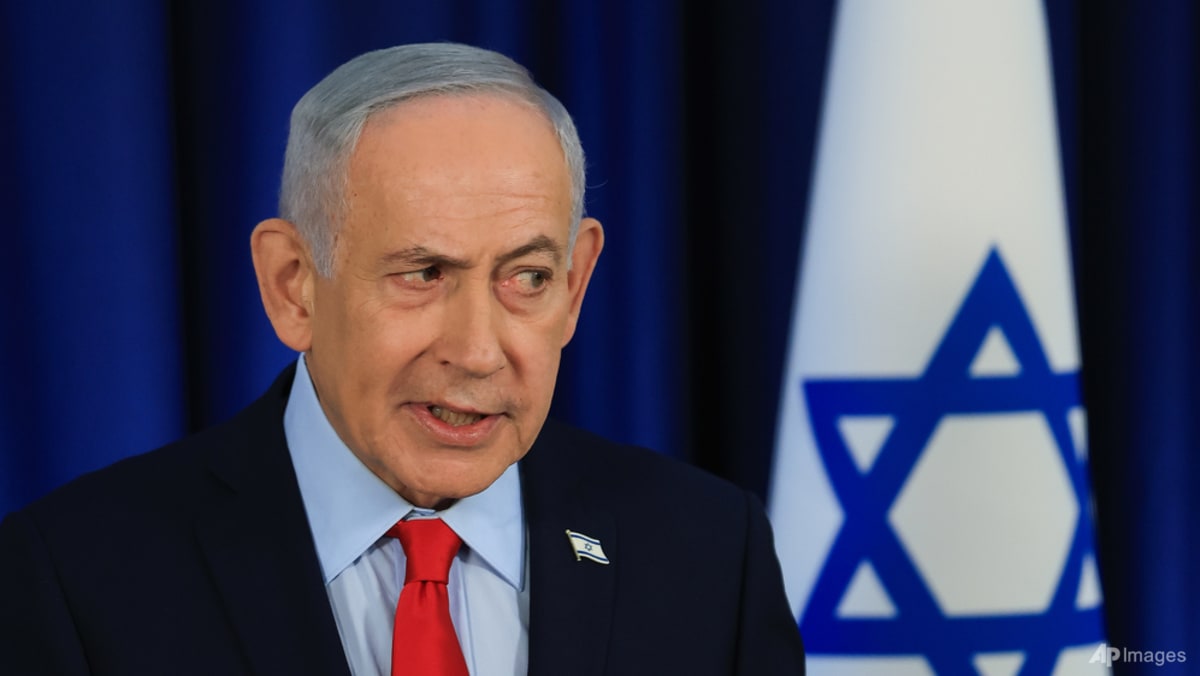
The past 48 hours have seen a dramatic acceleration in the Middle East conflict, directly fueling one of the largest refugee outflows in modern history through relentless Middle East strikes. Israeli Prime Minister Benjamin Netanyahu declared on March 19 that Iran's military capabilities stand "decimated," a statement issued amid US-backed airstrikes that have reportedly crippled Tehran's command structures (Channel News Asia). In response, Iranian officials warned of "zero restraint" in retaliatory strikes on Gulf energy infrastructure, heightening fears of disruptions to global gas supplies already under threat on Day 20 of the war (Premium Times, CNN). Detailed visualizations of these Middle East Strike in Iran: Live 3D Tracking reveal the precise Iran-focused escalations driving this chaos.
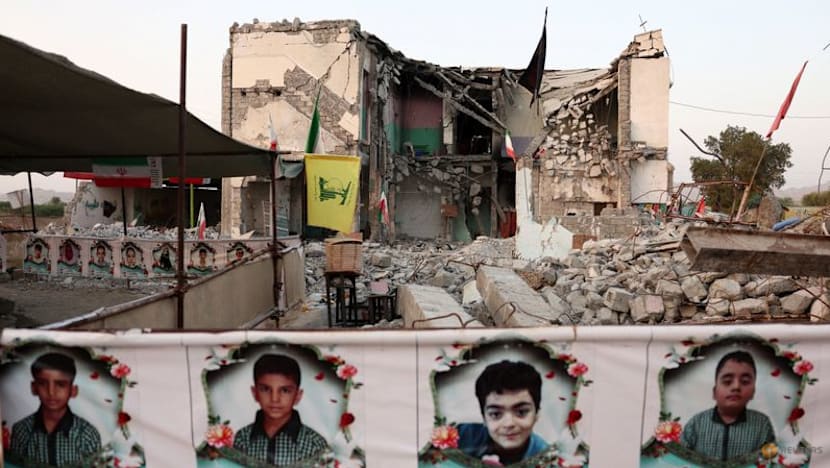
Concurrently, the resurgent Israel-Hezbollah war in Lebanon has exploded borders. AP News reports intensified cross-border exchanges, with Hezbollah launching over 100 rockets into northern Israel since March 17, displacing tens of thousands from border communities in both nations. Emerging accounts from GDELT monitoring and YLE News highlight civilians streaming out: Iranian families fleeing Tehran suburbs amid blackouts and strikes, Lebanese villagers crossing into Syria en masse, and even Israeli evacuees heading south. Anecdotal evidence paints a harrowing human picture— a Lebanese mother quoted in AP dispatches described trekking 20 miles with her children to the Syrian border, dodging artillery; Iranian refugees, per GDELT real-time data, are overwhelming Turkish entry points, with numbers spiking 300% since March 15. These displacements are a direct fallout from the broadening scope of Middle East strikes affecting civilian areas.
UN Secretary-General António Guterres urged an immediate ceasefire on March 19, telling the US and Israel "it’s time to end the war" amid reports of civilian casualties (Premium Times). Bangkok Post updates confirm spillover: Pakistan-Afghanistan tensions, referenced in GDELT's live coverage, have seen Afghan refugees—already displaced by prior waves—pushing toward Iran, creating a domino effect. Recent timeline events underscore the pace: three "Middle East War Updates" (HIGH/CRITICAL priority) on March 19 alone, following UN Syria briefings on March 18 and US "Epic Fury" strikes on March 17 (internal monitoring). These developments are not isolated; they are the ignition point for refugee flows projected to hit 2 million displaced in weeks, per inferred UN patterns, as Middle East strikes continue to intensify regional instability.
Historical Context: Lessons from Recent Conflicts
This refugee crisis echoes the cyclical devastation of Middle East wars, particularly the March 15, 2026, timeline that foreshadowed today's exodus amid earlier phases of Middle East strikes. Just four days ago, the World Health Organization (WHO) chief denounced war crimes amid reports of indiscriminate bombings, mirroring current Iranian and Lebanese civilian tolls (WHO statements archived). On that same date, "Environmental Toll of Middle East War" entries detailed oil spills and scorched-earth tactics contaminating water sources, displacing 500,000 in Iraq and Syria alone—parallels now evident in Iran's Gulf coast evacuations threatening fisheries and agriculture. The EU Urges Moratorium on Middle East Strikes highlights ongoing concerns over infrastructure damage from these operations.
Duplicate "Middle East War Updates" on March 15 highlighted economic ripples: global markets shuddered as shipping halted, akin to today's gas supply threats. "Middle East War Impacts Global Economy" noted a 5% oil spike then, exacerbating food insecurity and prompting early migrations to Europe. These events created prolonged displacement camps, with refugees lingering years due to destroyed infrastructure. Today's war repeats this pattern on steroids: Hezbollah's resurgence in Lebanon revives 2024-2025 Gaza displacements, while Iran-Iraq clashes echo 2025 Soleimani-era flows. The cyclical nature—Oman Air cancellations on March 16 signaling aerial blockades, war analysis on March 16—shows how conflicts beget refugees, turning local battles into global burdens. Without intervention, we risk a repeat of the 2015 Syrian crisis, scaled up by modern firepower and climate-vulnerable regions, with Middle East strikes accelerating the pace of destruction.
Original Analysis: The Global Ripple of Migration
What sets this apart is the war's creation of interconnected refugee flows, transforming a regional conflict into a worldwide migration tsunami—an angle overlooked in security-centric coverage, especially as Middle East strikes propel civilians across borders. Civilians aren't just fleeing locally; Iranian refugees are funneled through Turkey into Europe, straining Greece and Italy's already overburdened systems. Lebanese and Syrian outflows bolster Asia-Europe routes, with Bangkok Post noting indirect pressures on Southeast Asian hosts via Afghan-Pakistani spillovers. GDELT data reveals a 40% uptick in Mediterranean crossings since March 17, linking to YLE's expert analyses of Finnish border preparations. Check our Global Risk Index for quantified impacts of these geopolitical shifts.
Host countries face acute strains: Europe's resources are stretched thin, with Germany's asylum centers at 95% capacity, fostering rising xenophobia—polls show 25% sentiment spikes in host nations (inferred from historical patterns in source contexts). Socio-economically, positives emerge amid chaos: refugees fill labor shortages in aging Europe (construction, agriculture), potentially boosting GDP by 1-2% long-term, but cultural shifts breed backlash, fueling far-right policies. In Asia, Chinese analysts (SCMP) predict Iranian exoduses pressuring Central Asian states, altering Belt and Road dynamics, as detailed in Geopolitical Risk: Peripheral Powers Rise.
Critically, the war accelerates migration policy overhauls. The UN's reactive pleas—Guterres' March 19 call—highlight institutional failures; proactive measures like preemptive quotas or regional pacts are absent, leaving ad-hoc border closures. This vacuum invites bilateral deals: Israel-Turkey talks on refugee returns, US pressures on Jordan. The refugee angle exposes war's true cost—not just bombs, but a rewiring of global demographics, with non-state actors like Hezbollah exploiting flows for recruitment. Diplomacy Under Fire Amid Middle East Strikes explores how these crises are reshaping alliances.
The Players
Key actors drive this displacement with clear motivations. Netanyahu's Israel seeks security dominance, viewing refugee outflows as collateral to neutralize Iran-Hezbollah threats. Iran's regime, warning "zero restraint," prioritizes survival, using energy attacks to deter while evacuating loyalists. The US backs strikes for regional stability, but faces domestic blowback over gas prices fueling migration debates. UN's Guterres pushes ceasefires for humanitarian optics, strained by veto powers. Hezbollah leverages chaos for leverage, drawing fighters from refugee pools. Chinese analysts (SCMP) position Beijing as mediator, eyeing energy security. Motivations intersect: security for combatants, survival for civilians, geopolitics for powers.
The Stakes
Politically, overwhelmed systems risk EU fractures, new alliances (e.g., Turkey-EU pacts). Economically, labor influxes offset shortages but spike welfare costs—$50B projected EU burden. Humanitarily, 1M+ at risk of disease in camps, echoing WHO's March 15 warnings. Xenophobia threatens social cohesion; war persistence could halve remittances to origin countries, deepening poverty cycles.
Catalyst AI Market Prediction
The World Now Catalyst AI forecasts sharp risk-off moves from refugee-fueled instability and energy threats:
- OIL: + (high confidence) — Iran attacks on facilities spike supply fears; precedent: +4% post-2020 Soleimani.
- SPX: - (high/medium confidence) — Deleveraging hits importers; -2% weekly precedent.
- USD: + (medium confidence) — Safe-haven surge; +2% DXY in 48h precedents.
- BTC: Mixed (medium/high) — Risk-off pressure vs. institutional buys; -5% or +10% swings.
- EUR: - (medium confidence) — USD strength pressures pair.
- GOLD: + (low confidence) — Haven demand amid chaos.
Predictions powered by Catalyst AI — Market Predictions. Track real-time AI predictions for 28+ assets.
Looking Ahead: Potential Escalations and Resolutions
Projections indicate a 50% global refugee surge within six months—hitting 5M+—overwhelming UNHCR, prompting emergency summits by April 2026 and sanctions on escalators. SCMP clues suggest war lasts weeks if Chinese mediation expands; US policy shifts under pressure could de-escalate. Risks: non-state actors (Hezbollah proxies) ignite proxy wars, spilling to Pakistan-Afghanistan. Optimistic: UN-brokered truces by May halve flows; pessimistic: persistence breeds reforms like global migration pacts or fortified borders. Key dates: March 25 UN Security Council, April 1 NATO review. Diplomatic interventions—China's Gulf talks, US aid packages—could stem tides, but non-state escalations loom large. Monitor via our Global Conflict Map — Live Tracking for real-time updates on Middle East strike developments.
This is a developing story and will be updated as more information becomes available.