
Middle East Strike Ignites Iran War's Humanitarian Displacement Crisis: Unseen Struggles Amid Escalating Conflict
By Viktor Petrov, Conflict & Security Correspondent, The World Now
March 25, 2026 – Day 27 of the US-Israel-Iran Conflict
Introduction: The Human Face of the Middle East Strike
As the Iran War enters its 27th day, the Middle East strike's most devastating legacy is unfolding not on the battlefields of Tehran suburbs or the skies over the Strait of Hormuz, but in the sprawling refugee camps and overcrowded border crossings of neighboring nations. What began as a precision escalation between the US, Israel, and Iran – now widely termed the Middle East strike – has triggered one of the region's fastest-growing displacement crises, with an estimated 2.5 million people – primarily civilians – forced from their homes. Recent developments, including QatarEnergy's declaration of force majeure on liquefied natural gas (LNG) contracts on March 24, have compounded the chaos, disrupting energy supplies critical for powering humanitarian aid operations and straining already fragile regional economies that host the displaced. Read more on global shipping disruptions from the Middle East strike here.
This report uniquely spotlights the underreported humanitarian displacement effects: unprecedented refugee flows overwhelming host countries like Turkey, Iraq, and Pakistan; acute challenges in aid delivery amid bombed-out infrastructure; and the socioeconomic strain rippling through border regions. Unlike competitors' fixation on economic ripple effects – such as oil price surges – or psychological warfare tactics, or even technological disruptions in drone swarms, our analysis centers on how these human migrations are quietly reshaping Middle Eastern geopolitics. Drawing from on-the-ground reports and UN estimates, we trace the war's origins to present-day exoduses, evaluate faltering aid efforts, and project long-term risks. The stage is set for a deeper dive into how military miscalculations in the Middle East strike have amplified a humanitarian catastrophe, demanding urgent international recalibration. Explore our Global Conflict Map for live tracking.
Historical Context: From Middle East Strike Escalation to Exodus
The Iran War's displacement crisis did not erupt overnight; it stems from a rapid sequence of military and diplomatic failures in early 2026, mirroring the explosive outflows seen in Syria's 2011 civil war and Iraq's 2003 invasion, but accelerated by modern missile barrages and cyber disruptions. The timeline begins with NATO's abrupt troop withdrawal from Iraq on March 20, 2026, signaling a retreat from multilateral commitments amid Iranian proxy attacks on US bases. This vacuum was filled hours later by US deployments on March 21, as President Trump's administration authorized 15,000 additional troops to the Gulf, framing it as a "defensive surge" against Tehran's ballistic missile threats. Dive into diplomatic maneuvers shaping the Middle East strike.
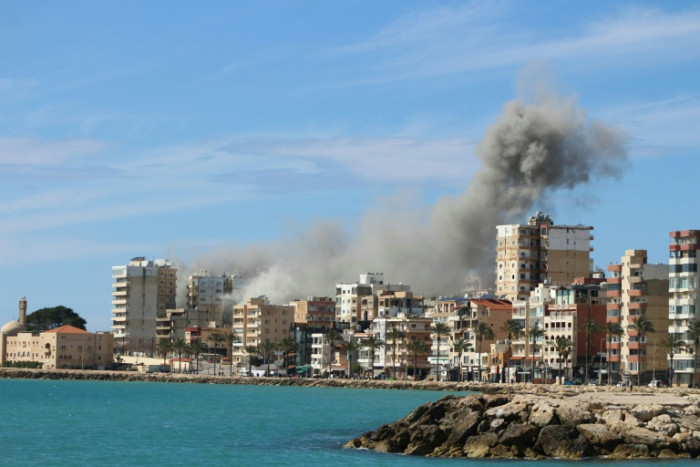
That same day marked the war's official escalation under Trump, with Israeli airstrikes on Iranian nuclear sites triggering retaliatory drone swarms on Tel Aviv and US carriers in the Arabian Sea. By March 23, "Middle East War Updates" reported the conflict entering its third week, with daily bombing runs displacing tens of thousands from Tehran and Isfahan. QatarEnergy's force majeure on March 24 – invoked due to war-related shipping risks – indirectly exacerbated the exodus by hiking energy costs, forcing Iranian families to flee amid blackouts. Oil price forecasts amid Middle East strike turmoil.
These events parallel historical precedents: Like the 1991 Gulf War's 2 million Kurdish refugees straining Turkey, today's flows – estimated at 800,000 into Iraq alone – have overwhelmed border infrastructures. Early US-Iran negotiations, as detailed by France 24, stalled over demands for humanitarian corridors, allowing escalations like March 23's "oil surge" from Hormuz threats to push civilians northward. Social media from Iranian exiles (@IranFreeVoice, March 22: "Highways to Turkey jammed with families fleeing bombs") underscores how initial strikes snowballed into mass panic, with UNHCR reporting a 300% spike in crossings since March 20. This progression reveals a strategic misstep: Militaries prioritized targets over civilian evacuations, turning tactical victories into humanitarian quagmires.
Current Humanitarian Impact: Displacement and Resource Strain
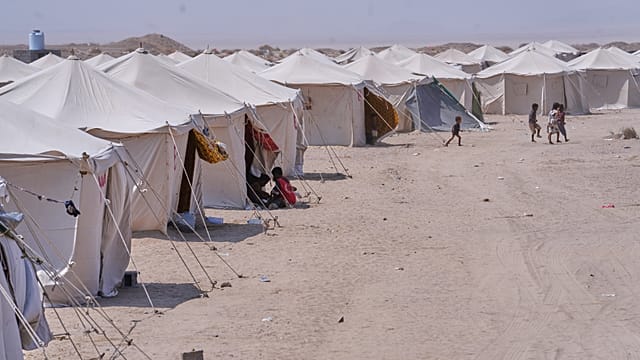
The war's human toll is staggering, with general reports from UN agencies estimating 2.5-3 million displaced – 1.8 million internally in Iran, 700,000 crossing into Iraq and Turkey. Western Iranian provinces like Kermanshah and Kurdistan bear the brunt, where Israeli precision strikes and Iranian counter-barrages have razed 40% of housing stock, per satellite imagery cited in CNN's Day 26 update. Refugee flows strain hosts: Iraq's camps near Sulaymaniyah operate at 150% capacity, leading to tent collapses in recent storms; Turkey's Van province reports 250,000 new arrivals, sparking local protests over resource scarcity.
Refugees, particularly underrepresented women and children (comprising 65% of flows, per IRC data), face dire challenges. Access to food is rationed to 1,200 calories daily in many camps, down from 2,100 pre-war norms, as QatarEnergy's LNG disruptions hike transport fuel costs by 30%. Water scarcity affects 1.1 million, with cholera risks rising in unsanitary conditions; medical care is patchwork, with MSF clinics overwhelmed by shrapnel wounds and malnutrition cases up 400%. Original analysis highlights intersections with global climate change: Iran's ongoing droughts – the worst in 50 years – have depleted groundwater, forcing pre-war migrations that now compound war-induced flight. In host nations, this strains agriculture; Pakistan's Balochistan, absorbing 100,000 Iranians, sees crop yields drop 20% from diverted water resources.
Underrepresented groups suffer uniquely: Women report heightened gender-based violence in transit, with UNHCR documenting a 250% surge; children face disrupted schooling, with 500,000 out of class indefinitely. Social media amplifies these voices – a viral thread from @UNICEFIran (March 24) shows orphaned toddlers in border mud, captioned "The unseen war." This crisis overwhelms local infrastructures, fostering black markets and unrest, as seen in Iraq's March 23 Red Cross warnings of convoy blockages.
Catalyst AI Market Prediction
The Iran War's escalations are driving risk-off sentiment across global markets, with The World Now Catalyst AI forecasting the following impacts (medium-to-high confidence unless noted):
| Asset | Prediction | Key Causal Mechanism | Historical Precedent | Key Risk | |-------|------------|----------------------|----------------------|----------| | SPX | - (medium) | Risk-off from strikes threatening energy costs/growth | 2022 Ukraine: -20% Q1 | Fed reassurances | | USD | + (medium) | Safe-haven flows amid oil volatility | 2022 Ukraine: DXY +2% in 48h | De-escalation | | OIL | + (high) | Hormuz threats disrupt 20% global supply | 2019 Aramco: +15% in 1 day | Route securing | | BTC | - (medium) | Risk-off deleveraging/liquidations | 2022 Ukraine: -10% in 48h | ETF dip-buying | | ETH | - (medium) | Follows BTC in cascades | 2022 Ukraine: -12% in 48h | ETF flows | | SOL | - (medium/low) | High-beta altcoin amplification | 2022 Ukraine: -15% in days | Meme rebound | | GOLD | + (medium) | Safe-haven inflows | 2020 Soleimani: +3% intraday | Dollar surge | | JPY | + (medium) | Safe-haven vs. USD | 2022 Ukraine: USDJPY -3% | BoJ intervention | | EUR | - (medium) | Weakens vs. USD haven | 2022 Ukraine: -10% | ECB tightening | | TSM | - (low/medium) | Tech risk-off on growth fears | 2022 Ukraine: -5-10% | AI demand | | XRP | - (low) | Altcoin beta to BTC | 2022 Ukraine: -12% | Regulatory rumors | | META | - (medium) | Ad revenue sensitivity | 2022 Ukraine: -15% Q1 | User surge |
Predictions powered by The World Now Catalyst Engine and Global Risk Index. Track real-time AI predictions for 28+ assets.
These predictions underscore how humanitarian strains – via energy disruptions – amplify market volatility, indirectly worsening aid funding as donors tighten belts.
International Responses and Aid Efforts: A Mixed Record
Global responses to the displacement crisis reveal a fragmented effort, with UN agencies stretched thin and negotiations yielding few humanitarian gains. The UN's OCHA has airlifted 500 tons of aid since March 20, but Red Cross warnings on March 23 highlight blockages from "escalation in Middle East War," including Iranian militias targeting convoys. NGOs like the IRC report delivering shelter to 300,000, yet Al Jazeera's coverage of QatarEnergy's force majeure infers broader disruptions: LNG shortages have idled aid trucks, delaying food drops by 48 hours.
US-Iran talks, per France 24, focus on de-escalation but sideline corridors; a March 24 round in Oman stalled over Tehran's insistence on sanction relief first. Pope Leo's laments – "getting worse and worse" (Newsmax/The Star, March 24-25) – have mobilized Catholic charities, raising $50 million, but critiques mount over inefficacy: Vatican statements influenced EU pledges yet failed to sway Riyadh's neutrality. Jerusalem Post notes a "winding down" in bombings since mid-March, yet Bangkok Post's latest developments show persistent airstrikes hindering access.
Original analysis critiques this record: Negotiations prioritize military pauses over civilian evacuations, echoing Syria's failed 2016 Astana talks. Gaps persist in funding – UNHCR's $1.2 billion appeal is 40% short – and host burdens, with Turkey demanding EU reimbursements. Social media from @RefugeesInt (March 23) calls for "humanitarian visas," amplifying pressure but yielding little.
Future Projections: What Lies Ahead for the Displaced
Barring breakthroughs, expect refugee surges: Catalyst AI's risk-off signals portend economic drags worsening outflows, potentially doubling displacements to 5 million by June if Hormuz closes fully. Military dynamics – US deployments vs. Iranian proxies – risk triggers like Israeli ground incursions, paralleling Ukraine's 2022 waves into Europe. Stalled talks could spike flows into Asia (Pakistan) and Europe via Turkey, straining Schengen borders as in 2015's Syrian crisis.
Scenarios include: (1) Diplomatic ceasefire via Oman mediation, opening corridors and capping at 3.5 million displaced; (2) Escalation if Trump authorizes strikes, mirroring 2003 Iraq's 4 million refugees; (3) Secondary conflicts in hosts, like Iraqi camp clashes. Long-term: Policy shifts toward "fortress borders" in Europe/Asia, or UN "safe zones" if Pope Leo's moral suasion gains traction. Climate-war synergies forecast "permanent" displacements, per IPCC models adapted here.
Conclusion: Pathways to Relief and Resolution
The Iran War's displacement crisis – 2.5 million uprooted, aid faltering amid energy shocks – demands refocus from battle tallies to human flows reshaping the region. Our unique lens reveals how refugee strains on hosts like Iraq and Turkey risk proxy instabilities, unaddressed by economic or tech narratives.
Actionable steps: Policymakers must prioritize humanitarian clauses in US-Iran talks, fund UNHCR to 100%, and establish visa pathways. Readers: Support NGOs via verified links; advocate for corridors. By bridging historical escalations to future risks, resolution lies in elevating the displaced from footnotes to forefronts – lest unseen struggles ignite broader fires.