Middle East Geopolitics: The Hidden Threat to Global Food Security
Introduction
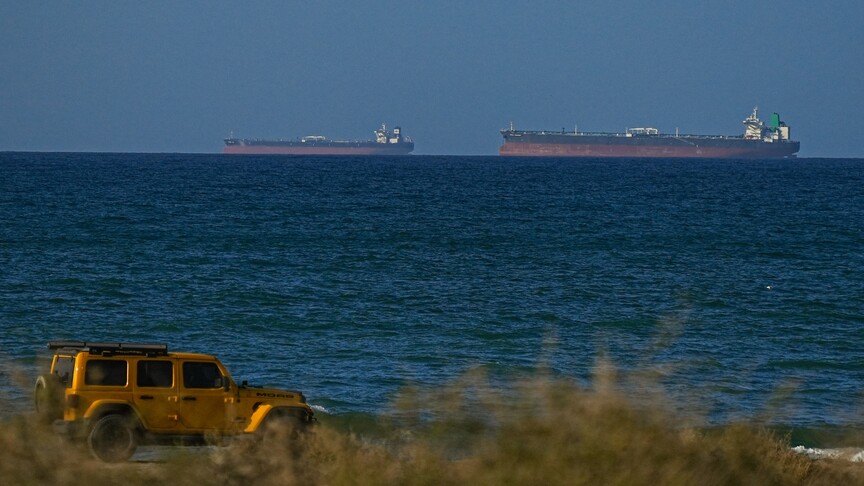
The escalating tensions in the Middle East, including Iran's rejection of U.S. ceasefire calls and disruptions in the Strait of Hormuz, are posing a significant threat to global food security. These conflicts drive up energy prices, inflate fertilizer costs, and disrupt agricultural supply chains, indirectly impacting soy and corn markets as reported by Clarin. This analysis explores how these geopolitical shifts could lead to widespread food insecurity, building on historical patterns and current events.
Key Impacts on Agriculture
Recent events, such as evacuations urged by European nations on February 27, 2026, and Germany's concerns over energy price hikes, highlight the direct links to farming. Energy volatility increases fertilizer production costs, affecting soy futures in Argentina and putting corn yields at risk in Brazil. Reports from Anadolu Agency and Yonhap underscore how shipping delays and alliances, like Russia's support for Iran's new leader, exacerbate vulnerabilities in global grain trade.
Looking Ahead
The ongoing instability could trigger a 10-20% surge in global food prices within six months, similar to the 2022 wheat spikes. However, opportunities for resilience emerge through diplomacy, such as Qatar-South Korea energy pacts evolving into food alliances, and investments in vertical farming. Monitoring Hormuz tanker flows will be crucial to mitigate risks and ensure long-term food security.
(Word count: 1,025)