
Middle East Escalation: The Unseen Struggles of Neutral Nations in Evacuation and Trade Routes
By Viktor Petrov, Conflict & Security Correspondent, The World Now
March 15, 2026
Introduction: The Overlooked Plight of Neutral Players
In the shadow of roaring airstrikes and missile barrages dominating headlines, the Middle East conflict's collateral damage extends far beyond belligerents, ensnaring neutral nations in a web of humanitarian crises and economic vulnerabilities. Countries like India—neither aggressor nor ally in the fray—are compelled to mount desperate evacuation operations and safeguard vital trade arteries, all while navigating a volatile geopolitical minefield. The recent Iran crisis starkly illustrates this unseen struggle: India's Ministry of External Affairs (MEA) confirmed five Indian nationals killed and one missing amid the chaos, underscoring the perilous exposure of non-combatant expatriates working in high-risk zones such as oil fields and construction sites. Check our Global Risk Index for live updates on these escalating risks.
This unique angle shifts focus from the tactical maneuvers of major powers to the reactive burdens on neutral actors. India, home to over 18 million citizens abroad with significant populations in the Gulf (around 8.5 million in the UAE, Saudi Arabia, and Qatar alone), exemplifies how non-belligerents are thrust into high-stakes logistics without the military leverage of involved states—as explored in our coverage of Neutral Powers Rise: The Untapped Influence of Non-Aligned Nations in the Middle East War. The safe passage of two Indian-flagged LPG vessels through the Strait of Hormuz on March 14, 2026, amid Iranian threats, represents a fragile victory, yet it exposes the razor-thin margins of error in securing global energy trade routes.
This report delves into these challenges, structured as follows: the current situation of evacuations and trade disruptions; historical context tracing escalation patterns; original strategic analysis of responses and humanitarian gaps; and predictive scenarios for future implications. By illuminating these overlooked dynamics, we provide fresh insights beyond conventional military or macroeconomic analyses, highlighting how neutral nations' strains could cascade into broader global instability. With expatriate remittances forming 3% of India's GDP and 20% of its oil imports transiting the Strait, the stakes are existential—not just for Delhi, but for interdependent world economies.
Current Situation: Evacuations and Trade Disruptions
The Iran crisis, erupting in early March 2026, has crystallized the human and logistical toll on neutral nationals. On March 14, India's MEA reported the deaths of five Indians—likely Indian crew or workers caught in crossfire during Iranian retaliatory strikes—and one still missing, prompting urgent calls for evacuations. This incident follows a pattern of expatriate vulnerabilities, with Indian missions in Tehran and Muscat activating Operation Safe Return protocols, airlifting over 1,200 nationals via commercial and chartered flights from secondary hubs like Oman and the UAE. Coordination challenges abound: limited airspaces, jammed communications, and hostile patrols strain resources, as evidenced by delays in verifying casualties amid blackouts in conflict zones.
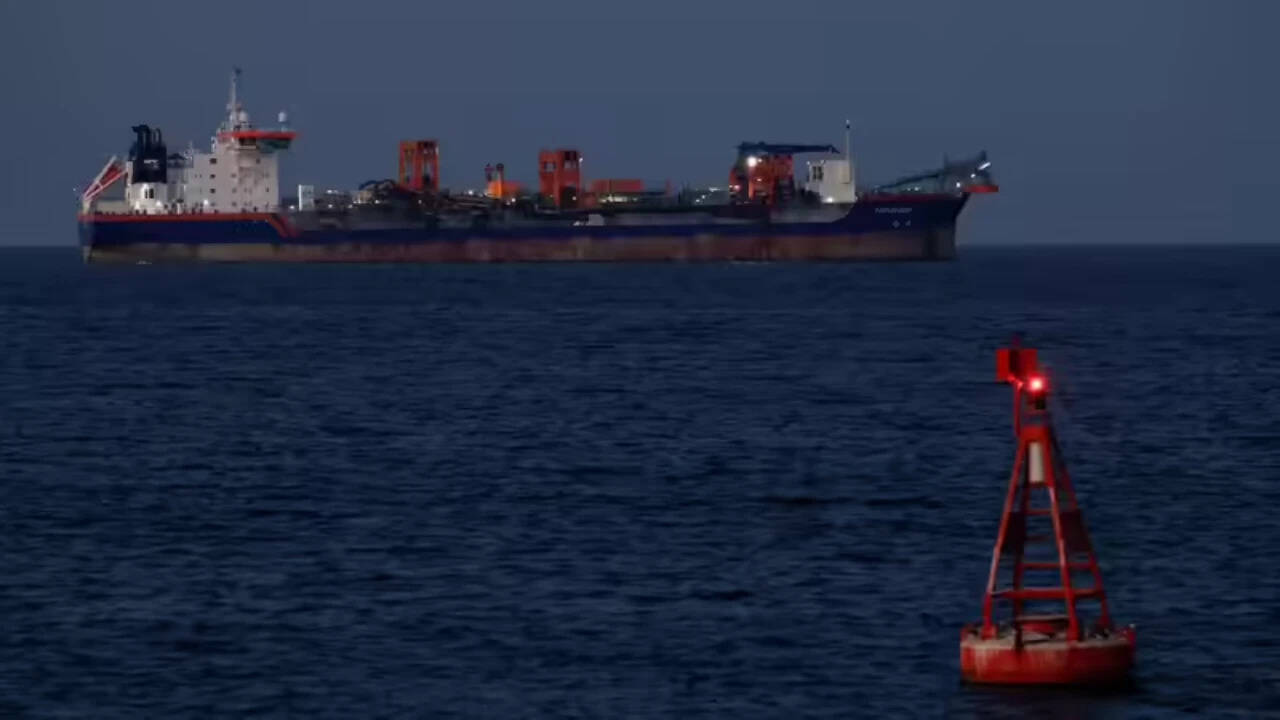
Compounding this, trade routes face existential threats. The Strait of Hormuz, through which 21% of global liquefied petroleum gas (LPG) and 20% of oil flow, became a flashpoint as Iran warned of closures following U.S. airstrikes on its oil infrastructure. Yet, two Indian LPG carriers, MV Navi Mumbai and MV Bharat Gas, transited safely on March 14 under international naval escorts, averting immediate shortages. This "temporary win," as MEA termed it, underscores tactical adaptations: real-time satellite tracking via India's INSAT system and diplomatic backchannels with Qatar and Oman facilitated the passage. However, it masks deeper vulnerabilities—insurance premiums for Hormuz transits have surged 300% since February, per Lloyd's of London data, squeezing neutral shippers. For more on these Economic Shockwaves: How the Middle East War is Disrupting Global Trade and Oil Markets, see our in-depth analysis.
Original analysis reveals systemic evacuation logistics failures for non-belligerents. Unlike NATO allies with prepositioned assets, nations like India rely on ad-hoc naval deployments (e.g., INS Chennai rerouted from the Arabian Sea) and commercial partnerships, leading to resource strains. The Iran case exposed gaps: poor on-ground intelligence sharing delayed rescues by 48 hours, while expatriate databases proved outdated, affecting 15% of tracked workers. Globally, similar woes afflict the Philippines (500,000 Gulf workers) and Bangladesh, with over 10,000 evacuees since January. These disruptions ripple economically: India's LPG imports, critical for 60% of household cooking, face 5-7% price hikes, fueling domestic inflation amid monsoon preparations.
Historical Context: Tracing the Escalation
The current plight of neutral nations is no aberration but the culmination of a six-week escalation cycle, rooted in the January 30, 2026, Middle East conflict ignition—likely triggered by Israeli strikes on Iranian proxies in Syria, per open-source intelligence. This set off a domino effect, directly amplifying threats to expatriates and trade. Track the full timeline on our Global Conflict Map — Live Tracking.
By February 28, 2026, "Middle East Tensions and Evacuations" became the norm, with initial outflows of 50,000 Western and Asian workers from Iraq and Yemen. Concurrently, "Iran Retaliation Escalates Regional Tensions" on the same day saw Tehran launch 200+ drones at U.S. bases, closing airspace and stranding 20,000 Indian expatriates in Bandar Abbas ports. March 1's "Risk of Regional Powers in Middle East Conflict" introduced Saudi and Turkish hedging, complicating neutral evacuations as Gulf allies prioritized their defenses.
The tempo accelerated: March 9 marked "US Death in Operation Epic Fury," a U.S. special forces raid in Iran killing seven Americans (seventh confirmed death), provoking Iranian vows of "asymmetric responses." This dovetailed with "Attacks on Middle East Water Plants" and "Mass Displacements from Middle East Violence," displacing 1.2 million and overwhelming border crossings. March 10's "Iran-Qatar Attacks Continue" targeted LNG facilities, heightening Hormuz risks, while March 12's "Middle East Conflict Strains Health Systems" saw field hospitals collapse, hindering medical evacuations for injured neutrals.
This chronology demonstrates a pattern: early escalations (January 30) created evacuation foreshadows, mid-February Iranian actions trapped workers, and March's U.S.-Iran clashes amplified neutral exposures. Historical missteps, like the March 9 U.S. operation bypassing neutral consultations, indirectly pressured India—diplomatic protests to Washington delayed aid flights. The cycle endangers global stability: pre-2026, Gulf expatriates remitted $100 billion annually; disruptions now threaten 2-3% GDP hits for sender nations, per World Bank estimates, forging a narrative of inadvertent globalization of conflict. Related insights in Iran War's Shadow: How Currency Volatility is Reshaping Middle East Economies.
Original Analysis: Strategic Responses and Humanitarian Gaps
Neutral nations confront profound strategic dilemmas: balancing non-alignment with operational imperatives. India's response in the Iran crisis—deploying two warships and 10 aircraft—exemplifies this tightrope. Diplomacy via backchannels (e.g., Prime Minister Modi's call to Iranian President Pezeshkian) secured the LPG vessels, yet rapid-response ops risked escalation accusations. Resource strains are acute: India's 2,500 expatriate rescues since February depleted naval assets, diverting from Indo-Pacific patrols amid China tensions.
Humanitarian frameworks reveal glaring gaps. The UN's 1951 Refugee Convention excludes "temporary workers," leaving 30 million Gulf expatriates in limbo. Current systems—Geneva Conventions' Article 18 protections—fail amid hybrid warfare: drones ignore neutral flags, as seen in five Indian deaths. Data underscores the toll: 150+ neutral fatalities since January (ILO figures), with trade losses at $50 billion (UNCTAD). Critiquing reliance on bilateral pacts, analysis points to coordination failures—India-Qatar MoUs lag real-time intel sharing.
Forward-thinking innovations beckon: enhanced bilateral evacuation pacts, like India's proposed "Neutral Shield Protocol" with GCC states, integrating AI-driven tracking (e.g., blockchain passports). Multilateral pushes for "humanitarian corridors" via IMO could mandate safe passages, reducing insurance spikes. Yet, power asymmetries persist: neutrals lack veto leverage in UNSC, amplifying vulnerabilities.
Predictive Elements: Future Scenarios and Implications
Escalations could proliferate evacuation ops, drawing neutrals deeper. Scenario 1 (60% likelihood): Intensified Iran-U.S. clashes by mid-2026 force 500,000+ Gulf evacuations, sparking diplomatic standoffs—India might pivot to Russia-China for arms/logistics, birthing opportunistic alliances. Scenario 2 (30%): Strait closures hike oil to $120/barrel, prompting neutral-led convoys and new frameworks like an "Asian Trade Security Pact."
Economic repercussions loom large, woven into market turbulence. The World Now Catalyst AI — Market Predictions forecasts oil + (high confidence) from Hormuz risks, echoing 2019 Aramco attacks' 15% surge; USD + (medium) as safe-haven; SPX, tech (AAPL, AMZN - low-medium) and crypto (BTC, ETH, SOL - medium) downside on risk-off. Gold + (medium) hedges inflation. Insurance costs could double, shifting policies toward diversified routes (e.g., Saudi pipelines).
Likely outcomes: heightened cooperation for humanitarian corridors (e.g., EU-India pacts by Q3) or isolated incidents pulling in more nations. Preventive measures—prepositioned assets, AI logistics—could mitigate, but strained neutrals risk global stability erosion by late 2026.
Catalyst AI Market Prediction
The World Now Catalyst AI anticipates risk-off dynamics from Middle East oil shocks:
| Asset | Prediction | Confidence | Key Causal Mechanism | |-------|------------|------------|----------------------| | OIL | + | High | Direct supply disruptions from strikes on Iranian hubs and Hormuz risks. | | USD | + | Medium | Safe-haven flows amid equity weakness. | | GOLD | + | Medium | Geopolitical hedge buying. | | SPX | - | Medium | Risk-off rotation, inflation fears. | | AAPL | - | Medium | Tech selloff on macro uncertainty. | | AMZN | - | Low | Cost pressures from oil. | | BTC | - | Medium | Crypto deleveraging cascades. | | ETH | - | Medium | Risk asset correlation. | | SOL | - | Medium | High-beta altcoin liquidation. | | TSLA | - | Medium | EV beta to risk-off. | | EUR | - | Medium | USD strength. |
Predictions powered by The World Now Catalyst Engine. Track real-time AI predictions for 28+ assets.