
Major Geopolitical Shifts in Venezuela Following U.S. Operation to Capture Maduro
In a dramatic shift in the geopolitical landscape of Venezuela, President Nicolás Maduro was captured by U.S. forces in a covert operation on January 3, 2026. This event has reignited discussions around U.S.-Venezuela relations, particularly concerning drug trafficking and oil exports, amidst ongoing tensions marked by a U.S. blockade.
Maduro's Capture and Political Fallout
The U.S. military operation, reportedly involving spy agencies that helped locate Maduro, culminated in his detention, ending nearly twelve years of his leadership. President Donald Trump heralded the operation as a significant achievement, suggesting that it signals a new chapter in U.S. engagement with Venezuela. Trump stated the U.S. is "not afraid of boots on the ground" in Venezuela if necessary, indicating potential for further military involvement to stabilize the region.
In Venezuela, Vice President Delcy Rodriguez addressed the nation, asserting that Maduro remains the legitimate leader, despite his capture. Rodriguez emphasized the need to defend the country's sovereignty and its resources, framing the U.S. operation as an act of aggression against Venezuela.
Openness to U.S. Talks on Drug Trafficking
Despite the tumultuous backdrop, President Maduro's administration has signaled a willingness to engage in discussions with the U.S. regarding drug trafficking. This openness comes at a time when drug-related issues have strained bilateral relations and raised concerns about Venezuela's role in international narcotics trade. However, Maduro avoided addressing questions about the U.S. operation that led to his capture, further complicating an already tense diplomatic situation.
Oil Exports Amid Blockade
In the wake of the U.S. blockade aimed at crippling Venezuela's oil exports, state-run PDVSA has seen a continued arrival of oil tankers, suggesting a persistent effort to maintain crude sales. This resilience in the face of sanctions underscores the importance of oil revenues to Venezuela's economy, which remains in dire straits due to years of mismanagement and external pressures.
The ability of PDVSA to sustain oil shipments despite the blockade raises questions about the effectiveness of U.S. sanctions and the potential for alternative markets. Observers note that the ongoing oil activity could be critical for the Venezuelan economy, especially as the country navigates a complex political transition.
International Implications
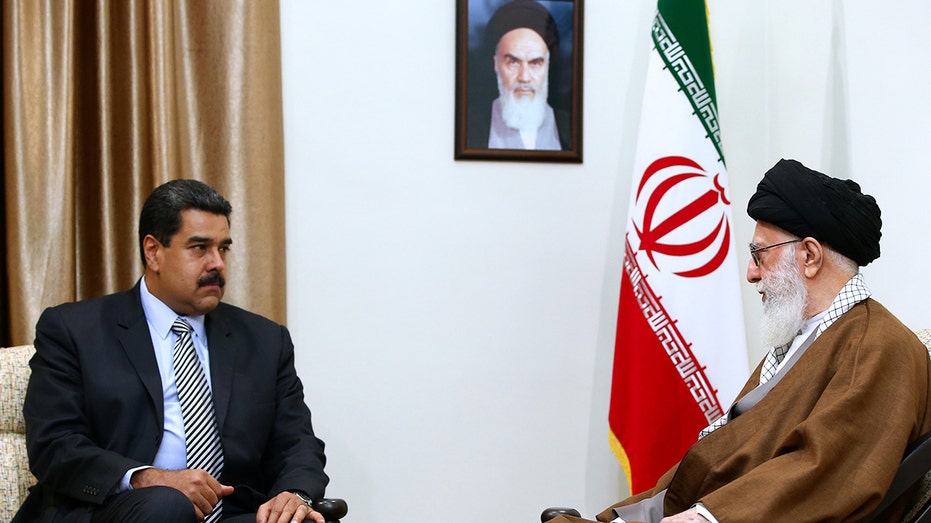
The fallout from Maduro's capture has implications beyond Venezuela's borders. Analysts suggest that the operation may weaken Iran's influence in the region, as Maduro's government had been a key ally. The U.S. action has been framed as a direct challenge to Iranian interests in Latin America, with implications for broader U.S. foreign policy strategies.
Conversely, critics of the operation, including Senate Minority Leader Chuck Schumer, have expressed concerns that Trump's approach could destabilize the region further. Some have labeled the operation illegal, raising questions about the legality of U.S. military interventions abroad.
Conclusion
As Venezuela grapples with the ramifications of Maduro's capture, the geopolitical landscape remains fluid. The willingness to engage in discussions on drug trafficking, alongside efforts to sustain oil exports amidst a blockade, suggests a complex interplay of diplomacy and economic necessity. The international community will be watching closely as the situation unfolds, particularly concerning U.S. involvement and its potential impact on regional stability.






