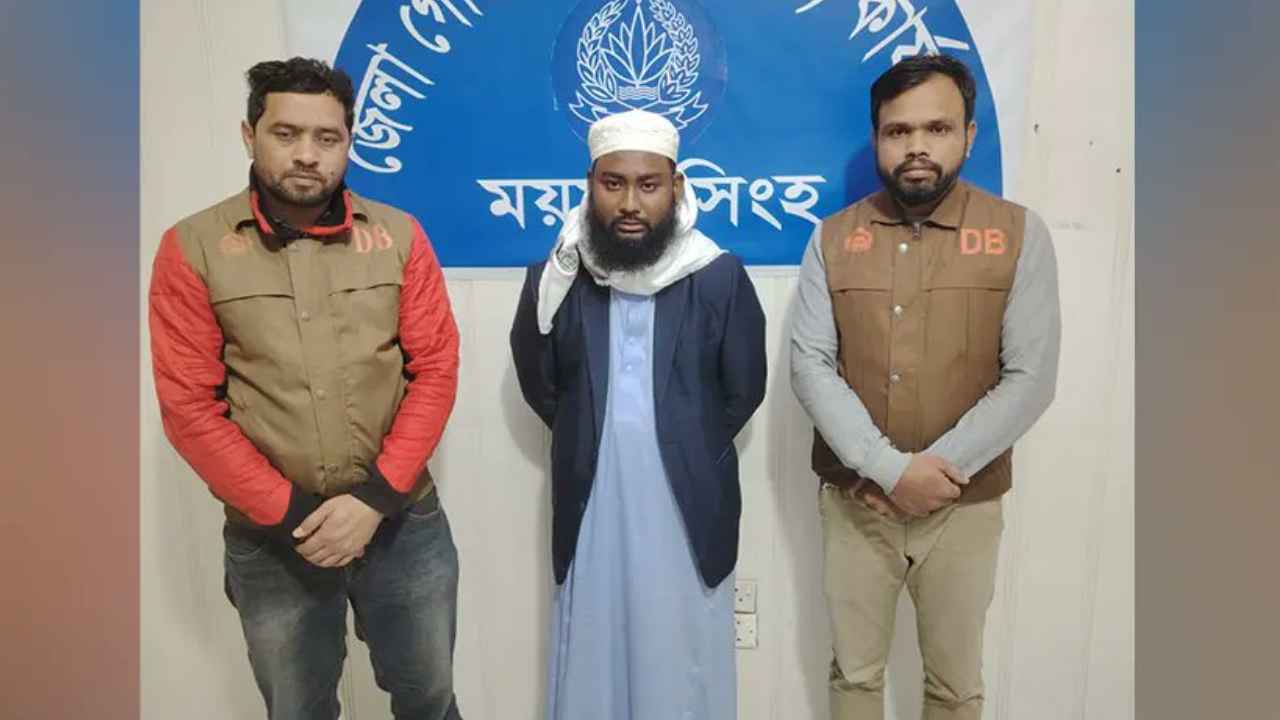

Main Suspect Arrested in Brutal Lynching of Hindu Worker in Bangladesh as Police Detain 21
Dhaka, Bangladesh – Police in Bangladesh have arrested the primary suspect in the lynching of Hindu worker Dipu Chandra Das, who was allegedly beaten and set ablaze by a mob earlier this month, highlighting ongoing tensions against the country's Hindu minority amid a backdrop of political unrest.
The incident, which occurred on January 2, 2026, has drawn widespread attention as authorities apprehended Yasin Arafat, a former madrasa teacher identified as the main accused. Arafat is alleged to have led the mob that attacked Das, a local businessman and worker from the Hindu community, in a violent assault that ended with the victim being set on fire. To date, 21 individuals have been arrested in connection with the case, with nine providing confessional statements to investigators.
Bangladeshi law enforcement acted swiftly following public outcry and demands for justice from Das's family, who have been vocal in their pursuit of accountability. The attack underscores a pattern of violence targeting Hindus, who make up about 8% of Bangladesh's 170 million population and have faced heightened insecurity since major political upheavals in the country.
Details of the Attack and Investigation
According to reports, the mob confrontation began in a context of local disputes but escalated rapidly into a fatal assault. Dipu Chandra Das, described variably as a businessman and worker, was overpowered by the group, beaten severely, and then doused with a flammable substance before being set alight. The severity of the attack was rated as medium by event trackers, yet it has amplified calls for protection of minority communities.
Yasin Arafat's arrest marks a significant breakthrough. As a former teacher at a madrasa—an Islamic religious school—his involvement has raised questions about the mobilization of crowds in such incidents. Police investigations suggest he played a leadership role in inciting and directing the mob. The rapid arrests, including 21 suspects in under a week, indicate a coordinated police response, though challenges remain in ensuring fair trials and preventing reprisals.
Nine of the detained individuals have confessed, providing details that could strengthen the prosecution's case. Bangladesh's interim government, led by Nobel laureate Muhammad Yunus since August 2024, has prioritized stability following months of turmoil, but such incidents test its ability to maintain law and order.
Broader Context of Unrest in Bangladesh
This lynching follows a period of intense civil unrest in Bangladesh, rooted in student-led protests that began in July 2024 against job quotas favoring descendants of 1971 Liberation War veterans. The demonstrations evolved into a mass uprising, forcing Prime Minister Sheikh Hasina of the Awami League to resign and flee to India on August 5, 2024. Hasina's 15-year rule had been marked by accusations of authoritarianism, but her ouster led to a power vacuum filled by an interim administration.
In the ensuing chaos, reports documented a surge in attacks on Hindu properties, temples, and individuals. Human Rights Watch and other organizations noted over 200 incidents targeting Hindus in the weeks after Hasina's departure, often linked to perceptions that the minority community supported the Awami League. Awami League leaders, many of whom are Hindu, faced vandalism of their homes and businesses.
The Times of India report explicitly ties Das's killing to this "period of unrest," reflecting how political transitions have exacerbated communal fault lines. Bangladesh, a Muslim-majority nation with a secular constitution, has a history of minority vulnerabilities, including during the 2001-2006 BNP-Jamaat rule when Islamist groups gained influence.
International observers, including India—home to Bangladesh's largest Hindu diaspora—have expressed concern. Indian media coverage, such as this incident, often highlights cross-border implications given the shared cultural ties and migration history.
Police Response and Community Demands
Bangladeshi authorities have emphasized their commitment to communal harmony. The Rapid Action Battalion (RAB) and local police have been deployed in sensitive areas, and the interim government has formed committees to investigate minority attacks. In Das's case, the arrests signal progress, but his family continues to demand swift justice and compensation.
Hindu advocacy groups in Bangladesh, such as the Bangladesh Hindu Buddhist Christian Unity Council, have urged stronger protective measures. "Incidents like this erode trust in the state," a council representative stated in related coverage, though specific quotes from this event remain limited.
Outlook Amid Fragility
As Bangladesh navigates its transition toward elections expected in late 2025 or early 2026, maintaining minority safety will be crucial for stability. The Yunus administration has promised reforms, including quota system overhauls and accountability for violence, but sporadic unrest persists.
The Dipu Chandra Das case, while resolved in terms of key arrests, serves as a litmus test. With 21 in custody and confessions secured, prosecution could deter future mobs, yet underlying social tensions—fueled by economic woes, unemployment, and political score-settling—demand sustained attention.
Global watchers, including the United Nations, continue to monitor Bangladesh for human rights adherence. For now, the focus remains on ensuring justice for Das and preventing escalation in a nation still healing from its summer of rage.
(Word count: 728)






