
Maduro Signals Willingness for US Dialogue on Drug Trafficking Amid Tensions Over Alleged US Strike
Caracas, Venezuela – Venezuelan President Nicolás Maduro has expressed openness to discussions with the United States on combating drug trafficking, even as he sidestepped questions about a recent attack in the country that Venezuelan officials claim was carried out by the US. The remarks, made on January 2, 2026, come amid heightened geopolitical friction between Caracas and Washington, exacerbated by reports of a US military strike in Venezuela.
In a public statement, Maduro indicated a potential pathway for bilateral cooperation, stating his readiness to engage with US counterparts specifically on issues related to narcotics trafficking. This overture represents a rare signal of pragmatism from the long-standing Venezuelan leader, who has faced years of US sanctions and diplomatic isolation over allegations of authoritarianism, election fraud, and narco-state activities. However, Maduro notably avoided addressing direct inquiries about the purported US attack, which has drawn sharp condemnation from his government and fueled anti-US rhetoric domestically.
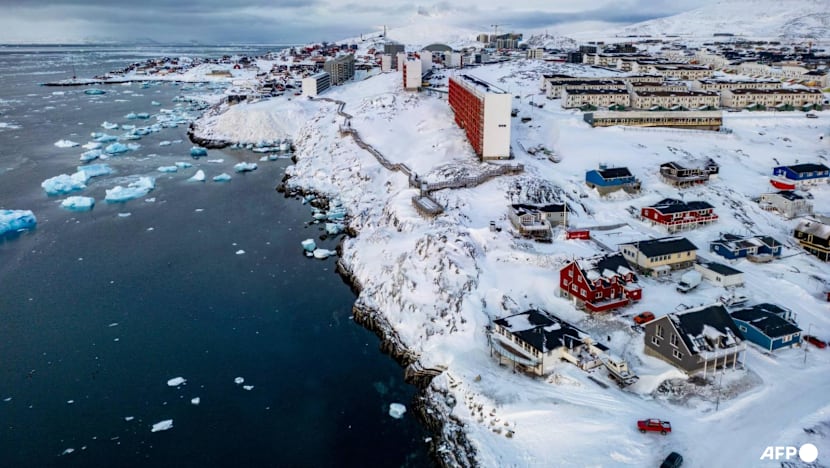
The incident in question refers to a US strike in Venezuela, details of which remain sparse but have been cited by Venezuelan authorities as an act of aggression. This event has not only strained relations further but also reverberated globally, reigniting concerns over expansive US foreign policy ambitions under President Donald Trump. According to reporting from Channel News Asia, the strike has prompted renewed fears regarding Trump's previous calls to acquire Greenland, the self-ruling Danish territory, drawing parallels between perceived US territorial overreach in Latin America and the Arctic.
Escalating US-Venezuela Tensions
Relations between the US and Venezuela have been fraught for over a decade, marked by economic sanctions, disputed elections, and mutual accusations. The US has long designated Venezuela as a primary transit point for cocaine heading to North America, with Maduro and senior officials accused by Washington of direct involvement in drug networks. In 2020, the US Justice Department indicted Maduro on narcoterrorism charges, offering a $15 million reward for his arrest—a bounty that remains active.
The timing of Maduro's drug trafficking comments coincides with the reported US strike, which Venezuelan state media has framed as an unprovoked violation of sovereignty. While specifics on the strike's target, location, or casualties are limited in available reporting, it aligns with broader US counter-narcotics operations in the region. The US has conducted similar actions in Colombia and other Andean nations under the guise of disrupting trafficking routes, often using drones or special forces.
Maduro's selective engagement—embracing talks on drugs while evading strike-related queries—suggests a tactical approach. Analysts note this could be an attempt to peel away one layer of US pressure without conceding on core political demands, such as fresh elections or recognition of opposition leader Edmundo González as the 2024 presidential winner.
Broader Geopolitical Ripples
The Venezuela strike has unintended global aftershocks. Channel News Asia's analysis highlights how it has resurfaced Trump's 2019 proposal to purchase Greenland from Denmark for strategic military and resource purposes. Trump argued that control of the island—rich in rare earth minerals and vital for Arctic security—was essential for US national security amid competition with Russia and China. Denmark rebuffed the overture as "absurd," but the recent Venezuela action has stoked European anxieties about unilateral US interventions.
Greenland's leadership, which enjoys home rule but defers foreign affairs to Copenhagen, has reiterated its autonomy. "We are not for sale," Greenland's Premier Múte Egede stated in past responses, a line echoed amid current discussions. The parallel underscores fears that US actions in Venezuela could embolden similar rhetoric elsewhere, testing alliances like NATO, where Denmark plays a key role.
In Venezuela, the strike has rallied Maduro's base, with pro-government protests denouncing "imperialist aggression." Opposition figures, meanwhile, have been muted, wary of appearing pro-US amid economic collapse and migration crises affecting 7.7 million Venezuelans since 2014, per United Nations data.
Historical Context and US Policy Under Trump
Trump's return to the White House in 2025 has intensified a "maximum pressure" campaign on Maduro, including tightened oil sanctions and bounties on Venezuelan officials. This builds on the Trump-era "Operation Gideon" foiled invasion plot in 2020 and recognition of interim president Juan Guaidó. Biden's administration maintained most measures but pursued some dialogue; Trump's approach appears more confrontational.
Drug trafficking remains a flashpoint. The US Drug Enforcement Administration (DEA) estimates Venezuela facilitates 20-30% of cocaine flows to the US, often via maritime routes. Maduro's overture could signal internal pressures, including economic woes from sanctions and falling oil prices.
Outlook for Dialogue
Whether Maduro's drug talks proposal gains traction remains uncertain. The US State Department has not publicly responded, but past overtures have faltered over human rights preconditions. With the Venezuela strike unaddressed, trust is low. Regional players like Brazil and Colombia, key in counter-narcotics, may play mediator roles.
As 2026 unfolds, this episode highlights Venezuela's precarious geopolitics: a regime clinging to power amid isolation, facing a resurgent US hawkishness. Broader implications for hemispheric stability and US strategic postures—from the Caribbean to the Arctic—will depend on whether rhetoric yields to restrained diplomacy.
(Word count: 712)






