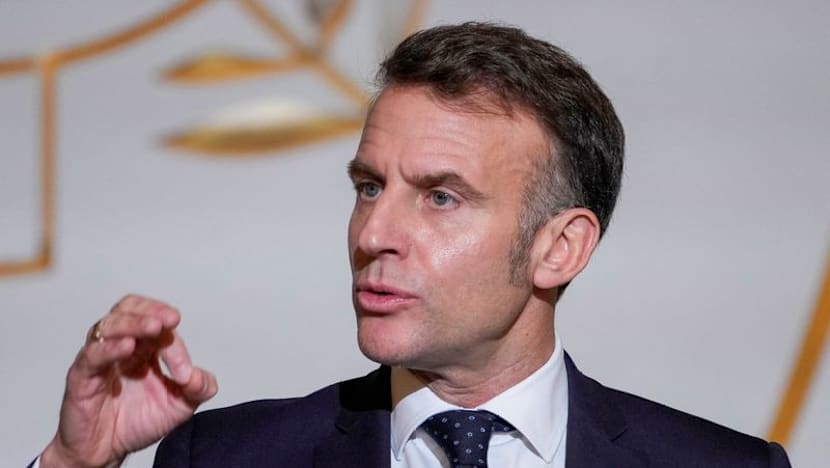

Macron Lambasts US Tactics in Maduro Ouster, Warns of Eroding International Norms
Paris, January 9, 2026 – French President Emmanuel Macron has publicly rebuked the United States for its handling of Venezuelan leader Nicolás Maduro's recent departure, describing the methods employed as a breach of international rules and a signal of America "turning away" from its allies. While hailing Maduro's exit as a potential boon for Venezuela, Macron's remarks underscore deepening transatlantic frictions amid broader geopolitical tensions.
The criticism emerged on January 5, during a period of heightened scrutiny over U.S. foreign policy actions. Macron, speaking in a context that also touched on NATO dynamics and U.S. interests elsewhere, urged Washington to recommit to global norms. According to reports, he framed the U.S. approach in Venezuela as emblematic of a larger pattern, where unilateral moves risk undermining collective alliances.
Details of Macron's Critique
Macron's comments specifically targeted the "methods" used by the U.S. in facilitating Maduro's overthrow, which occurred amid prolonged political unrest in Venezuela. The French leader acknowledged the positive implications of Maduro's departure, noting it could pave the way for stability and democratic renewal in the oil-rich South American nation. However, he condemned the execution as rule-breaking, accusing the U.S. of prioritizing expediency over established international frameworks such as those upheld by the United Nations.
Channel News Asia reported Macron's broader accusation that the U.S. was "turning away" from allies, a pointed reference delivered against the backdrop of renewed debates over NATO burden-sharing and U.S. strategic overtures. The French president's remarks also alluded to U.S. expressions of interest in Greenland – a Danish territory with strategic Arctic importance – and ongoing uncertainties tied to the incoming Trump administration's foreign policy outlook. "We must respect international rules," Macron emphasized, according to sources close to the speech, positioning France as a defender of multilateralism.
This intervention comes as Maduro's ouster marks a pivotal shift in Venezuelan politics. Maduro, who assumed power in 2013 following the death of Hugo Chávez, had faced international isolation over allegations of electoral fraud, human rights abuses, and economic mismanagement. His regime presided over hyperinflation, mass emigration – with over 7 million Venezuelans fleeing since 2015 – and U.S.-led sanctions that crippled the economy. The events leading to his departure on or around early January 2026 involved opposition gains, international pressure, and reported U.S. involvement, though specifics remain contested.
Broader Geopolitical Context
France's stance reflects longstanding European concerns about U.S. unilateralism, particularly under administrations perceived as skeptical of multilateral institutions. Macron has positioned himself as a bridge-builder in global affairs, advocating for "strategic autonomy" for Europe while maintaining NATO commitments. Recent strains include disagreements over Ukraine aid, trade tariffs, and Middle East policy.
The Venezuela episode amplifies these tensions. The U.S., under outgoing President Joe Biden and anticipating Donald Trump's return, has long viewed Maduro as a destabilizing force aligned with Russia, Iran, and China. Washington's sanctions and recognition of opposition figure Juan Guaidó in 2019 set the stage for escalated involvement. Maduro's fall could normalize relations, unlock frozen assets, and stabilize oil markets, but Macron's critique highlights risks of precedent-setting interventions that bypass bodies like the UN Security Council or the Organization of American States (OAS).
Ties to other flashpoints mentioned in Macron's orbit add layers. U.S. interest in Greenland, reiterated by Trump in past statements, evokes memories of his 2019 purchase proposal, which Denmark rebuffed. NATO discussions, meanwhile, grapple with Trump's past demands for higher European defense spending – a theme likely to resurface.
Implications for Alliances
Macron's intervention, rated as medium severity in initial geopolitical assessments, signals no immediate rupture but potential chill in Franco-American relations. France, as a key EU and NATO player, wields influence in shaping Europe's response to U.S. policies. Paris has historically mediated in Latin America, supporting humanitarian aid to Venezuela while criticizing Maduro's authoritarianism.
Looking ahead, the Maduro transition's success will test these dynamics. An opposition-led government under figures like Edmundo González – who claimed victory in disputed 2024 elections – could foster reconciliation, but risks of chaos, factional violence, or external meddling persist. For transatlantic ties, Macron's call for rule adherence may galvanize European unity, pressuring the U.S. to engage through multilateral channels.
As global events unfold, Macron's words serve as a reminder of the fragile balance in alliances forged post-World War II. With Trump's inauguration looming, observers anticipate further tests of unity on issues from trade to security.
(Word count: 612)






