Lebanon's Digital Echo: How Social Media is Shaping the Ongoing Strikes
Introduction: The Viral Spread of Conflict
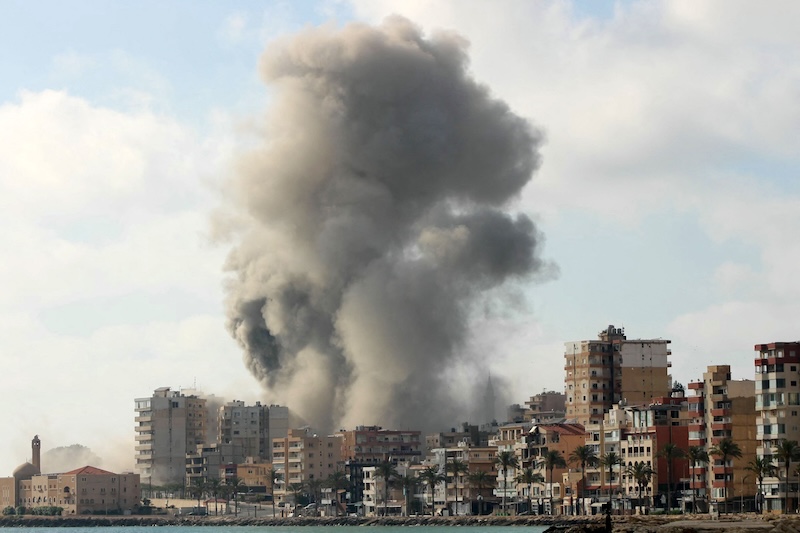
In today's digital age, Lebanon's ongoing strikes have become a global phenomenon through social media platforms like X, Instagram, and TikTok. Raw user-generated content, including videos of explosions in Beirut and pleas from displaced families, has turned local clashes into viral trends with hashtags like #LebanonUnderFire. This real-time sharing, amplified by sources like FRANCE 24 and Anadolu Agency, not only humanizes the crisis but also influences international opinion and policy, setting it apart from traditional coverage of trade, culture, health, or diplomacy.
Social Media's Role in Escalation and Trends
The strikes, starting from December 31, 2025, with initial Israeli attacks in southern Lebanon, have been documented and amplified online. Key events, such as the January 7, 2026, airstrike killing a Hezbollah member and the January 27 drone strike on a TV presenter, spread rapidly via X and TikTok, creating interactive archives that fuel debates on proportionality and journalist safety. However, this double-edged sword brings real-time aid mobilization, like #EvacuateLebanon petitions, alongside misinformation that exaggerates casualties and spreads panic, potentially swaying diplomatic outcomes.
Looking Ahead: Predictions and Implications
Social media's influence could escalate cyber threats or push for UN resolutions, with campaigns like #BeirutBlitz pressuring governments. Humanitarian risks include mass displacement and fraud in online fundraisers, but digital tools might also foster peace initiatives. If viral content reaches billions of views, it could redefine conflict dynamics, drawing in global actors and highlighting the need for balanced platform moderation to prevent broader war.
(Word count: 1,015)