Lebanon's Agriculture Under Fire: The Hidden Cost of Israeli Strikes
Introduction: The Unseen Battlefield
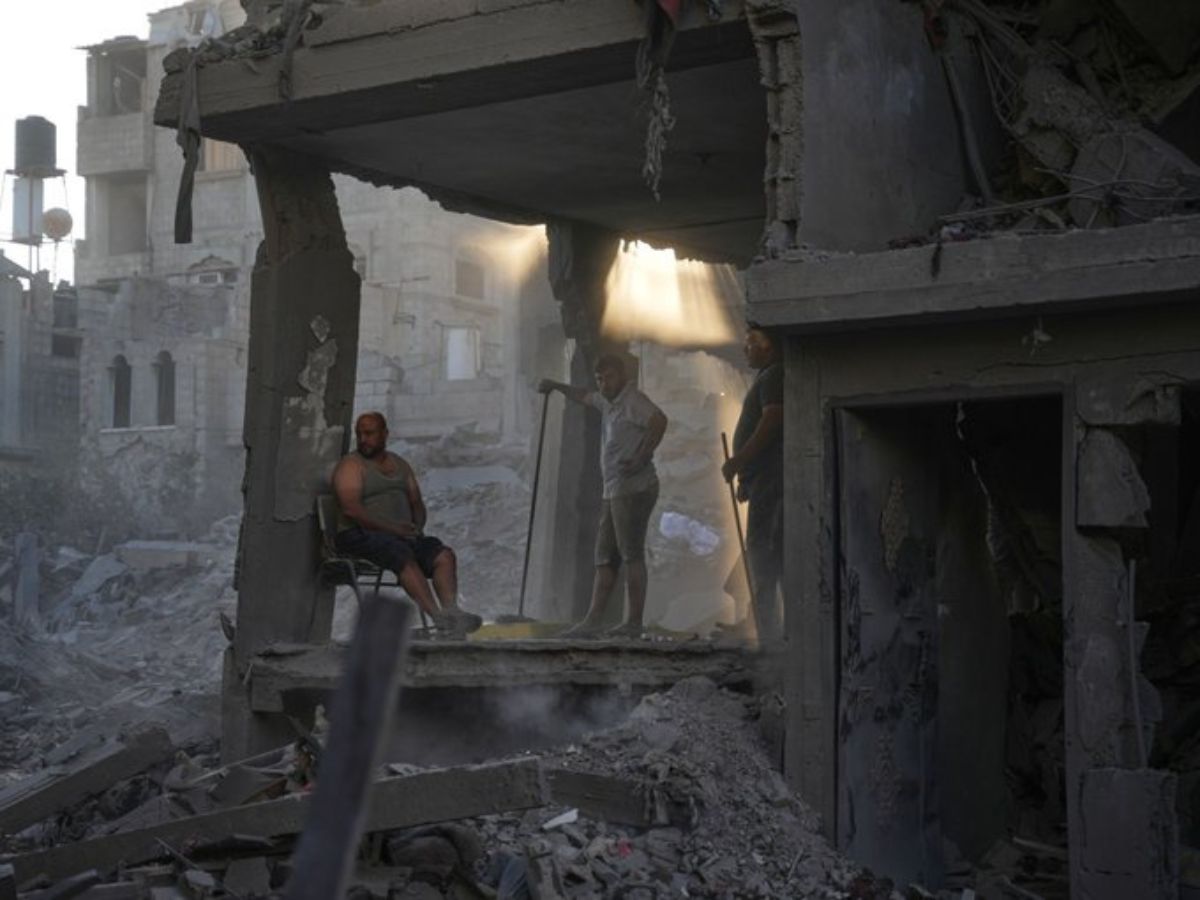
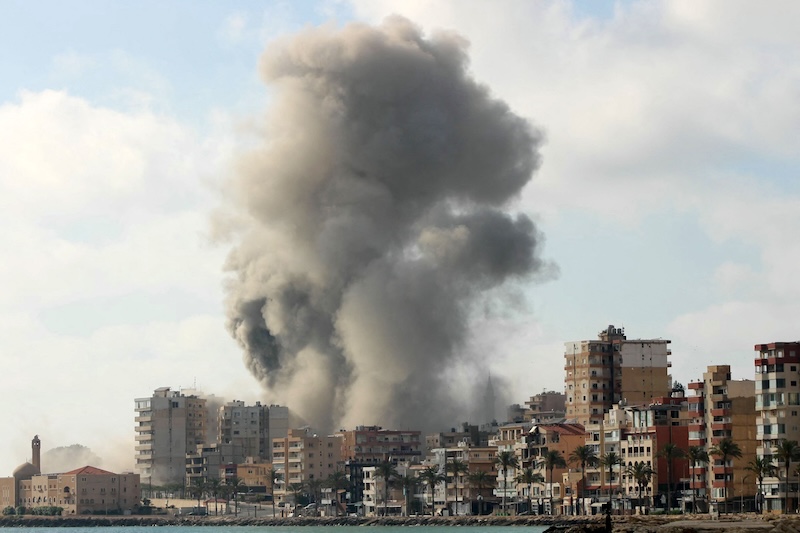
Israeli airstrikes in Lebanon have escalated, killing 11 and injuring 32 in recent raids, with additional strikes claiming 15 and 7 lives. This crisis has displaced thousands, but the overlooked impact on Lebanon's agriculture—contributing 5% to GDP and employing 20% of the workforce—is devastating fertile areas like the Bekaa Valley. Social media trends like #LebanonFarmsUnderFire highlight scorched fields and food security threats, drawing parallels to Ukraine's agricultural losses.
Historical Roots and Current Escalation
The conflict traces back to Israeli strikes on December 31, 2025, targeting Hezbollah, leading to retaliatory cycles including the January 7, 2026, airstrike and attacks on the Bekaa Valley by January 15. This region, vital for olives, apples, and grapes, echoes the 2006 war's damage to infrastructure. Lebanon's reliance on imports for 80% of wheat, amid economic turmoil since 2019, amplifies the risk of long-term devastation.
The Agricultural Toll and Economic Ramifications
Bombardments have destroyed orchards and greenhouses, with farmers reporting 30-50% crop losses in key exports worth $200 million annually. Contaminated soil and disrupted water sources threaten biodiversity and 2026 yields by 40%. Economically, a 25% drop in $1.2 billion agri-exports could spike food prices, creating labor shortages and global ripple effects on grain futures.
Looking Ahead: Potential Escalations and Solutions
Without de-escalation, strikes may expand, worsening food insecurity for 2 million. Solutions include UN 'green ceasefires,' EU-funded resilient seeds, and U.S.-brokered talks for agri-repairs to address climate-amplified droughts and prevent famine.
Conclusion: A Call for Awareness
Lebanon's fields represent a silent battlefield, linking over 33 deaths to ecological threats. As #SaveLebanonFarms trends, global action is needed to prioritize agricultural aid and shift focus from diplomacy to food security.