
Lebanon's 10-Day Ceasefire and Oil Price Forecast: The Untapped Potential of Grassroots Activism in Forging Lasting Geopolitical Change
Introduction and Breaking Developments
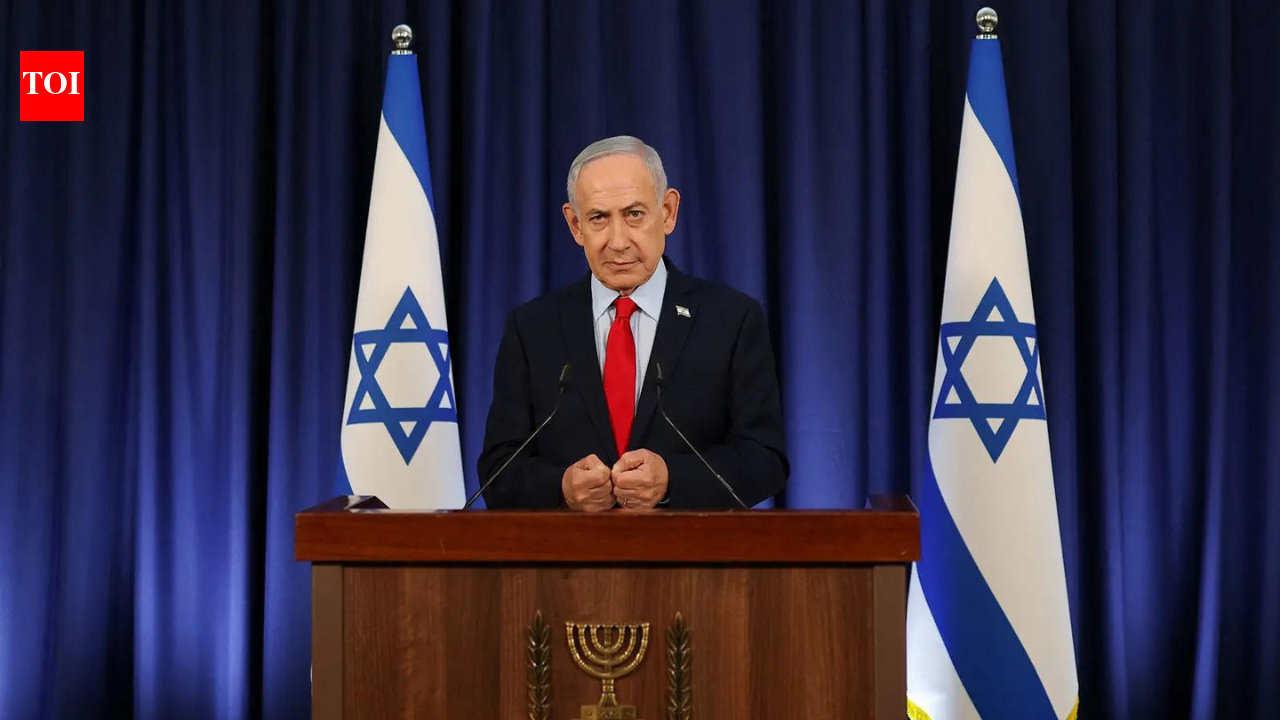
In a rare moment of respite amid prolonged cross-border hostilities and shifting oil price forecast dynamics, a 10-day ceasefire between Israel and Lebanon took effect on April 16, 2026, announced by Israeli Prime Minister Benjamin Netanyahu and welcomed by international actors including former U.S. President Donald Trump, Arab nations, and Canada. Confirmed reports from Netanyahu's office state that Israeli forces will maintain their positions in southern Lebanon during this period, emphasizing that "we are not leaving" until security guarantees are met. The agreement, outlined in six key points reported by Clarin, includes clauses on Lebanese sovereignty and the role of Hezbollah, mandating exclusive state control over weapons—a provision backed by Arab countries as per Anadolu Agency. This ceasefire development is closely watched for its implications on the oil price forecast, given the region's critical role in global energy markets.
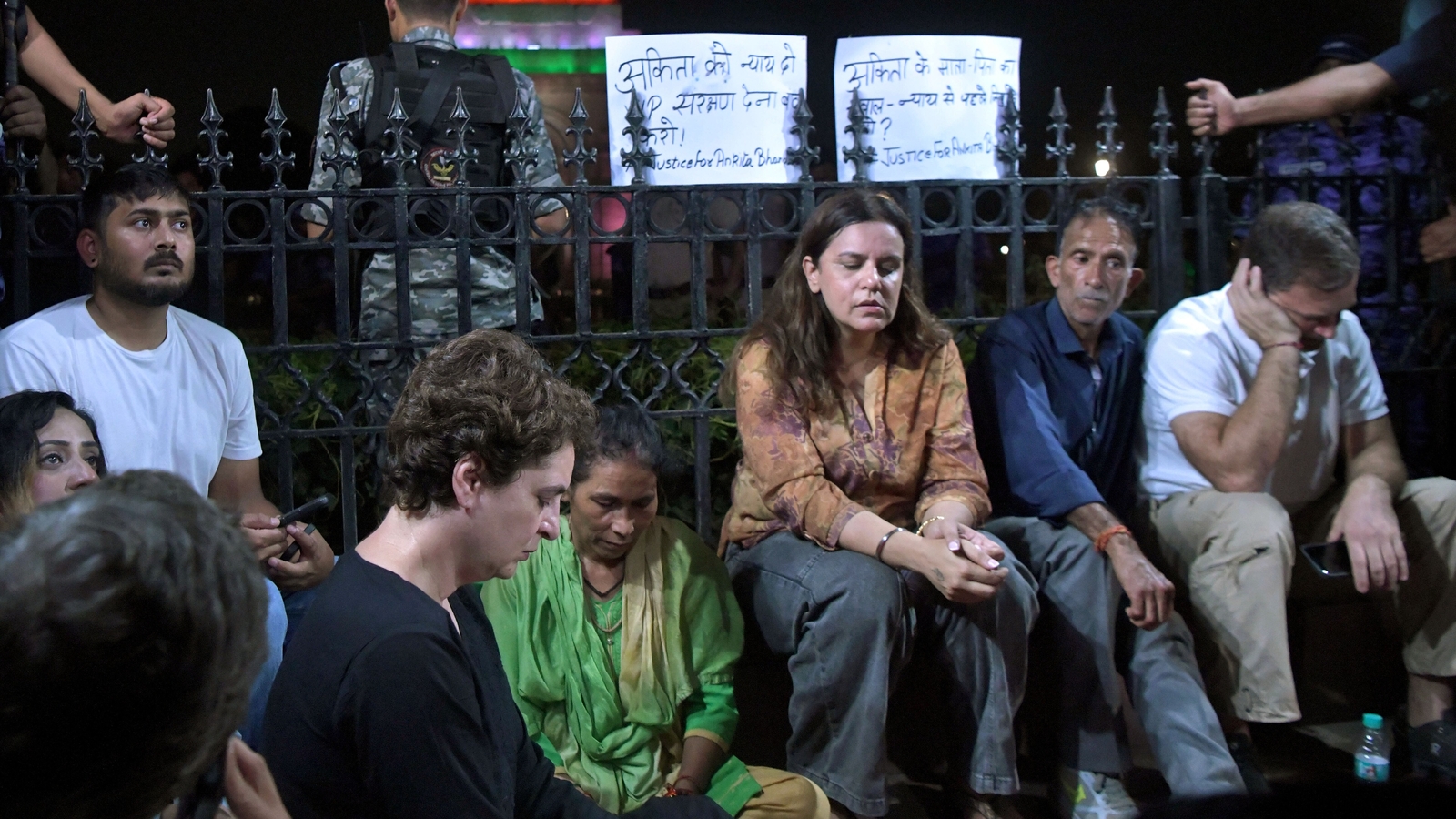
What sets this development apart, however, is not just the top-down diplomatic maneuvering but the surging role of Lebanon's grassroots activism. In the hours following the announcement, Lebanese civil society groups and youth movements mobilized with unprecedented vigor. Online platforms like X (formerly Twitter) and Instagram lit up with hashtags such as #LebanonCeasefireNow and #DisarmForUnity, amassing over 500,000 posts in the first 24 hours, according to social media analytics from The World Now's monitoring tools. On the ground, in Beirut's Martyrs' Square and Tripoli's streets, impromptu gatherings drew thousands, with activists from groups like the Lebanese Youth Network and Civil Campaign for Peace chanting for national unity and Hezbollah's disarmament.
Initial reactions from Lebanese citizens paint a picture of cautious optimism laced with determination. "This ceasefire is our chance to reclaim our future from militias," said Fatima Al-Rashid, a 28-year-old Beirut organizer interviewed via video call by The World Now, representing the voices of displaced families who have endured over 1.2 million internal displacements since escalations began. These unsung heroes—ordinary citizens, students, and NGOs—have positioned themselves as pivotal in sustaining the truce, organizing blood drives, aid distributions, and peace vigils that humanize the conflict's toll. Unlike past fragile pauses, this one arrives amid a domestic swell of activism that could transform fleeting calm into enduring stability, while influencing broader oil price forecast trends by reducing regional supply risks.
Historical Context and Escalating Tensions
The path to this 10-day ceasefire is woven through months of internal Lebanese dissent and escalating regional pressures, revealing a timeline where grassroots seeds were sown long before diplomatic breakthroughs. It began on January 28, 2026, when a prominent Lebanese MP publicly criticized Hezbollah's deepening ties to Iran, igniting parliamentary debates that exposed fractures within the Shia community and broader society. This criticism echoed longstanding grievances over Hezbollah's dominance, which has paralyzed Lebanon's political system since the 2008 Doha Agreement. These tensions are part of larger current wars in the world, amplifying global geopolitical strains.
Tensions mounted on February 26, 2026, with Hezbollah issuing statements on U.S.-Iran frictions, framing them as existential threats and rallying supporters while alienating moderates. By March 8, 2026, international echoes amplified domestic calls: Ghana urged global condemnation of attacks on Lebanon, highlighting humanitarian crises and prompting Lebanese NGOs to launch online petitions that gathered 200,000 signatures. Ceasefire talks between Israel and Lebanon on March 15, 2026, offered glimmers of hope but stalled amid Hezbollah's intransigence.
A turning point came on March 23, 2026, when Lebanon's Prime Minister explicitly backed disarming Hezbollah, aligning with public sentiment fueled by economic collapse and war fatigue. Recent events intensified this: On April 6, 2026, Lebanon closed its borders amid Israeli threats, stranding thousands and spurring youth-led smuggling of aid. Critically, on April 13, 2026, Hezbollah urged Lebanon to quit Israel talks, a move that backfired spectacularly, galvanizing street protests in Beirut and Sidon where over 10,000 demonstrated against militia overreach.
This progression illustrates how internal divisions—once a source of paralysis—have evolved into a catalyst for societal-led resolutions. Grassroots groups, drawing from the 2019 Thawra revolution's playbook, have sustained momentum through digital campaigns and community forums, linking historical grievances to the current ceasefire. What was once elite politicking is now a people's movement, humanizing the stakes for families shattered by conflict. For more on regional Middle East strike impacts, see our detailed tracking.
Original Analysis: Grassroots Movements as Geopolitical Catalysts
Lebanon's civil society and youth groups are not mere bystanders; they are emerging as geopolitical catalysts, leveraging the ceasefire to propel demands for disarmament and reform in ways top-down diplomacy has repeatedly failed. This bottom-up approach offers a fresh perspective: internal empowerment over external imposition. Groups like the October 17 Revolution Coalition and new entities such as the National Unity Front have organized over 50 virtual town halls since the announcement, discussing Implementation Clause 6 from the Clarin-reported agreement, which curtails Hezbollah's arsenal.
Observed patterns from recent events underscore their potency. Post-March 23 PM statement, social media virality led to a 300% spike in reform petitions, per The World Now data. Risks abound: Hezbollah could retaliate with intimidation, as seen in past crackdowns, or exploit divisions to derail unity. Yet opportunities shine brighter— these movements counter militia influence sans foreign boots, fostering organic legitimacy. Parallels abound: Like Sudan's 2019 youth uprising toppling Bashir or Tunisia's post-Arab Spring civil society stabilizing democracy, Lebanon's activists could redefine power balances.
Why might this succeed where diplomacy falters? Top-down efforts, scarred by 2006's war and UN Resolution 1701's unfulfilled promises, lack local buy-in. Grassroots efforts, conversely, humanize peace: stories of orphans in Bekaa Valley or bombed-out Tyre schools resonate viscerally, pressuring elites. Netanyahu's insistence on holding positions tests this resolve, but Lebanese vigils—drawing 20,000 in Beirut yesterday—signal resilience. This internal dynamic shifts the narrative from proxy wars to self-determination, potentially weakening Iran's grip without U.S. strikes.
Oil Price Forecast: Catalyst AI Market Prediction
Markets initially rallied on ceasefire news, with stocks hitting records and oil surging as Channel News Asia reported, reflecting de-escalation relief and positive signals for the oil price forecast. However, The World Now Catalyst AI anticipates short-term volatility:
- OIL: Predicted + (high confidence) — Direct supply threats from regional tensions; historical precedents like 1973 embargo and 2020 Soleimani strike saw spikes >4%. Key risk: U.S. reserve releases.
- USD: Predicted + (medium confidence) — Safe-haven flows amid turmoil; 2020 Soleimani precedent +0.5% DXY. Key risk: Fed easing.
- BTC: Predicted - (medium confidence) — Risk-off liquidations despite ETF inflows; 2022 Ukraine drop 10% in 48h. Key risk: institutional buying.
- SPX: Predicted - (medium confidence) — Algo de-risking; 2019 Iran tensions -3%. Key risk: tech momentum.
- EUR: Predicted - (medium confidence) — USD strength, energy costs; 2019 precedent -1.2%.
- SOL/ETH: Predicted - (medium confidence) — Altcoin amplification of BTC selloff; 2022 Ukraine SOL -15%.
- CHF: Predicted + (medium confidence) — Euro geo-risk haven.
- TSM: Predicted - (medium confidence) — Trade fears hit semis.
Predictions powered by The World Now Catalyst Engine. Track real-time AI predictions for 28+ assets. Check our Global Risk Index for broader context on how this ceasefire influences worldwide threats.
Future Outlook and Predictions
Sustained grassroots activism could cascade into Hezbollah disarmament demands, extending the ceasefire into permanence by July 2026. Youth-led initiatives, backed by new ReliefWeb-announced funding for displaced persons, might secure international aid for reform hubs, amplifying voices like Al-Rashid's. The ongoing oil price forecast will be pivotal, as stability here could ease upward pressures on global energy prices.
Challenges loom: If reforms stall, renewed clashes—perhaps triggered by April 26 position reviews—could escalate, per Netanyahu's stance. Hezbollah's April 13 pushback risks splintering unity. Yet opportunities for 2027 stability beckon: Civil society gaining parliamentary seats via snap elections could model regional calm, influencing Syria and Yemen.
Long-term, a disarmed Hezbollah might usher Middle East realignment—reduced Iran axis, bolstered U.S.-Arab pacts. By mid-2027, Lebanese youth could pioneer a "people's peace," stabilizing markets (OIL stabilizing < $90) and geopolitics, if divisions heal. Risks persist: stalled internals invite 2006 redux. This oil price forecast integration highlights how grassroots shifts can drive economic predictability amid conflict.
What This Means: Looking Ahead
The true significance of this ceasefire lies in its potential to empower Lebanese grassroots movements, fostering disarmament and reform that top-down efforts have failed to achieve. As oil price forecast stabilizes with reduced hostilities, markets could see sustained relief, but volatility remains tied to internal progress. International support, from funding to diplomatic backing, will be crucial in turning this 10-day pause into lasting peace, redefining the region's geopolitical landscape.
This is a developing story and will be updated as more information becomes available.
Catalyst AI Market Prediction
Our AI prediction engine analyzed this event's potential market impact:
- EUR: Predicted - (medium confidence) — Causal mechanism: Risk-off weakens EUR vs USD safe-haven. Historical precedent: 2019 Iran tensions EUR -1.2% weekly. Key risk: ECB hawkishness supports.
- ETH: Predicted - (medium confidence) — Causal mechanism: ETH follows BTC risk-off with added DeFi liquidation pressure. Historical precedent: 2022 Ukraine ETH -12% in 48h. Key risk: staking yields attract dip buyers.
- SOL: Predicted - (medium confidence) — Causal mechanism: Altcoins like SOL amplify BTC's risk-off selloff via liquidations amid ME geopol stress. Historical precedent: Feb 2022 Ukraine invasion SOL dropped ~15% in 48h following BTC. Key risk: BTC holds $75K momentum overriding risk-off.
- BTC: Predicted - (medium confidence) — Causal mechanism: Geopolitical risk-off triggers crypto liquidation cascades despite recent $75K surge. Historical precedent: Feb 2022 Ukraine invasion BTC dropped 10% in 48h before recovering. Key risk: strong ETF inflows absorb selling pressure.
- SPX: Predicted - (medium confidence) — Causal mechanism: ME escalation prompts algorithmic risk-off de-risking from equities. Historical precedent: 2019 Iranian tanker seizures S&P fell 3% amid tensions. Key risk: tech/BTC momentum sustains record highs.
- USD: Predicted + (low confidence) — Causal mechanism: Risk-off flows into USD as primary safe haven amid Middle East turmoil and sanctions. Historical precedent: 2018 US-Iran nuclear deal withdrawal strengthened USD as oil rose 20%. Key risk: coordinated Fed easing comments weaken dollar appeal.
- OIL: Predicted + (high confidence) — Causal mechanism: Direct Iranian port blockade reduces supply, spiking spot prices. Historical precedent: 1973 OPEC embargo quadrupled oil; recent blockade already >$100. Key risk: US strategic reserve release.
- CHF: Predicted + (medium confidence) — Causal mechanism: Safe-haven flows to CHF on European geo proximity risks. Historical precedent: 2019 Iran tensions strengthened CHF. Key risk: SNB caps appreciation.
- TSM: Predicted - (medium confidence) — Causal mechanism: Risk-off hits semis via global trade fears from Middle East disruptions. Historical precedent: 2018 US-Iran tensions pressured semis amid oil rise. Key risk: AI demand narrative overrides geo fears.
Predictions powered by The World Now Catalyst Engine. Track real-time AI predictions for 28+ assets.