Lebanon Conflict Sees First Israeli Troop Deaths Since June Ceasefire
Two Israeli soldiers were killed in southern Lebanon on Wednesday when an explosive device detonated, the first Israeli military deaths in the area since a June ceasefire with Hezbollah, as Israeli strikes killed one Lebanese person and talks continued in Rome amid the broader Lebanon conflict.
Israeli Soldier Deaths in Southern Lebanon
The Israeli military reported on Thursday that two soldiers died when a device exploded in southern Lebanon. [1] Israeli media indicated the deaths occurred on Wednesday during operations in the south. [2] The military identified the two reservists as Major Harel Birenstock, 34, and Sergeant Major Tamir Vaknin, 33, both of the 2855th Battalion, 55th Brigade. [4] Four other Israeli soldiers were wounded in the same incident. [2] These fatalities represent the first Israeli military deaths reported in southern Lebanon since June 28. [4] The Israeli military confirmed the soldiers were killed in combat on Wednesday. [4]
Israeli Strikes and Lebanese Casualties
The Israeli military began strikes in southern Lebanon on Wednesday. [1] The strikes followed an evacuation warning issued for the town of Mansouri. [4] An Israeli strike on the town of Tibnin killed one person and wounded 12, according to Lebanon’s health ministry. [2] Lebanese state media reported one person died and 11 were wounded in a separate strike. [4] The military said the strikes were precise operations conducted in southern Lebanon. [3] The first evacuation warning in weeks accompanied the strikes. [4]
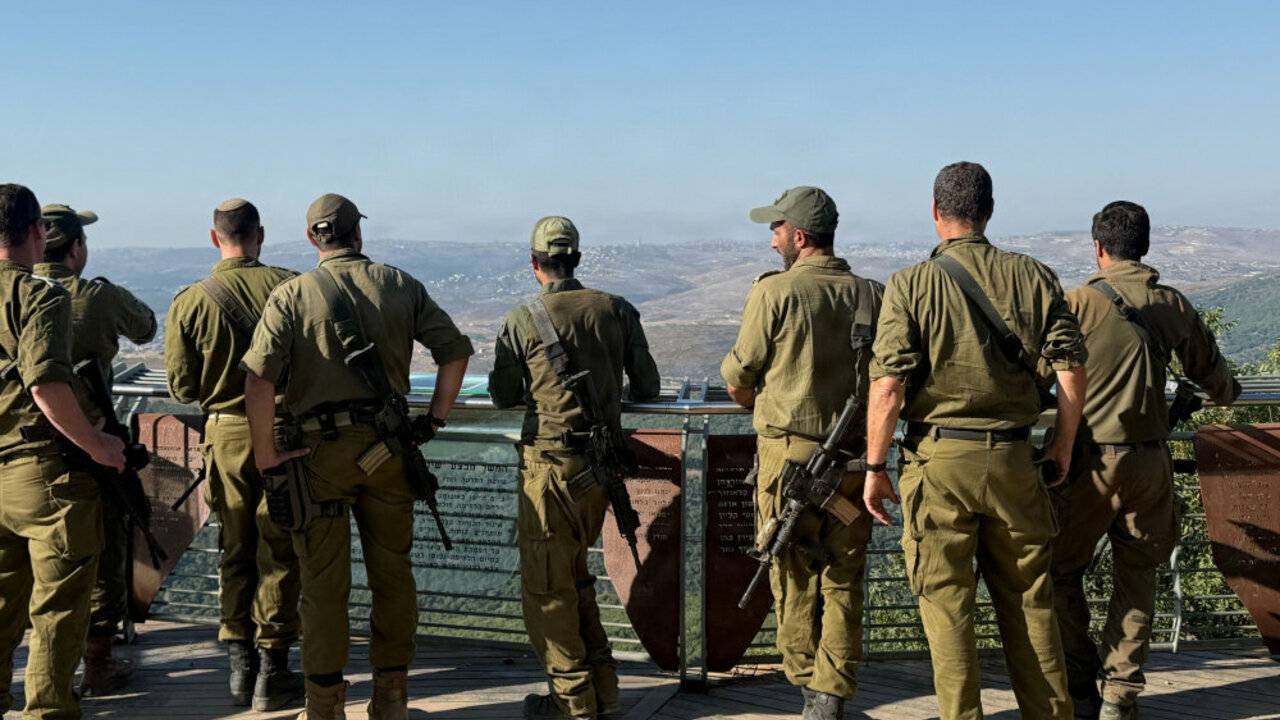
Two Israeli soldiers were killed by an explosive device in southern Lebanon. — Source: gdelt
Ceasefire Violation Claims and Context
Israel stated the strikes responded to a blatant violation of the ceasefire by the Hezbollah terrorist organisation. [4] The Israeli military said it began conducting precise strikes in southern Lebanon in response to the violation. [3] The deaths mark the first Israeli fatalities in southern Lebanon since the implementation of the June ceasefire. [5] The flare-up occurred despite the June US-brokered security arrangement intended to ease hostilities. [3] Israel indicated it would maintain a security zone in southern Lebanon to address threats from the Iran-backed group Hezbollah. [3]
Ongoing Rome Negotiations
US-backed talks between Israel and Lebanon took place in Rome as the seventh round since March. [2] The talks aimed to implement a June framework deal covering Hezbollah disarmament, Israeli withdrawal, and Lebanese army deployment in pilot zones. [2] Israel requested the day’s session end three hours early, with the head of the Israeli delegation blaming alleged misleading leaks by the Lebanese side. [4] The talks were expected to resume for a third and final day. [4] Hezbollah leader Naim Qassem said the direct negotiations would bring nothing but shame, humiliation and successive concessions for Lebanon. [4] Hezbollah has repeatedly rejected the direct talks and refuses to surrender its weapons. [4]
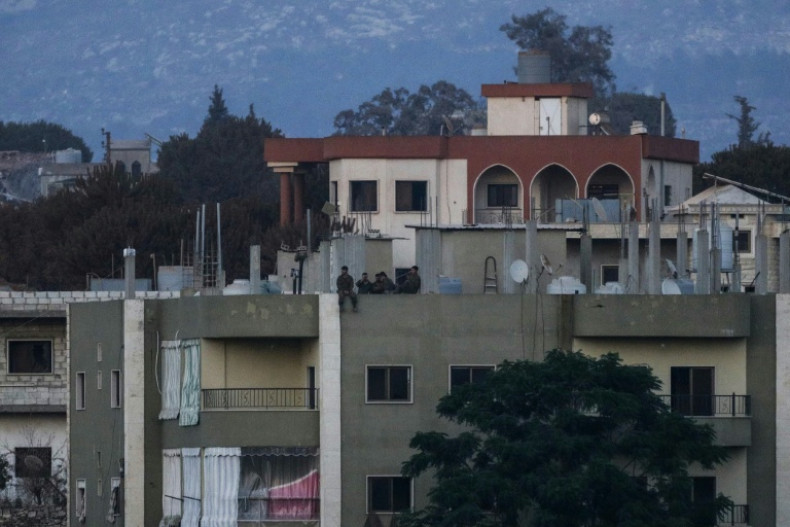
Two Israeli soldiers were killed by an explosive device in southern Lebanon. — Source: bangkokpost
Broader Conflict Background
The current flare-up fits into the war that erupted in March after Hezbollah rocket fire in support of Iran. [2] Israel responded with heavy airstrikes and a ground invasion. [4] Since the war between Israel and Hezbollah erupted in early March, Israel’s military has lost 38 soldiers and one civilian contractor. [4] The Lebanon conflict has seen intermittent Israeli strikes and shelling as well as detonations and demolitions in southern villages despite the June ceasefire. [4] Violence in Lebanon has decreased since the Lebanon-Israel deal and the signing in June of a preliminary US-Iran agreement on the Middle East conflict. [4]
Humanitarian Impact
More than one million people have been displaced in Lebanon during the conflict. [2] The UN’s humanitarian agency said more than 800,000 people displaced by earlier fighting in Lebanon had begun heading back home following the recent lull, though more than 360,000 remained displaced. [4] The town of Mansouri and its surroundings were subjected to several Israeli strikes and artillery shelling in recent weeks despite the ceasefire. [4] The town’s municipality told residents on June 22 that they could return but asked them to avoid the part of the town within Israel’s so-called security zone. [4] Continued strikes occurred even as displaced residents attempted returns during the lull. [4]
What to watch next: The Rome talks are set to resume for a final day while both sides address outstanding border issues and the pilot zone process under the June framework.