
Lebanon conflict: Partial ceasefire with Hezbollah while attacks continue
In the Lebanon conflict, Lebanon announces a partial ceasefire between Israel and Hezbollah but attacks continue. The development comes amid persistent cross-border strikes and diplomatic maneuvering involving multiple regional actors. Reports indicate that the announcement has not produced an immediate halt to hostilities, leaving civilians exposed to ongoing violence.
Partial ceasefire announced
Lebanon announces a partial ceasefire between Israel and Hezbollah but attacks continue. Official statements describe the measure as limited in scope, covering only certain zones and types of operations. Despite the declaration, exchanges of fire have persisted in several areas along the border. The head of Iran's Revolutionary Guards Quds Force has linked the situation to broader maritime chokepoints, threatening to expand the blockade of the Strait of Hormuz to the Bab el-Mandeb Strait. [2] This linkage underscores how the Lebanon conflict remains tied to wider strategic calculations even as the partial ceasefire takes effect. Observers note that the continuation of attacks after the announcement highlights the fragility of the current arrangement and the difficulty of translating diplomatic language into a durable pause in fighting.
Hezbollah position on ceasefire in Lebanon conflict
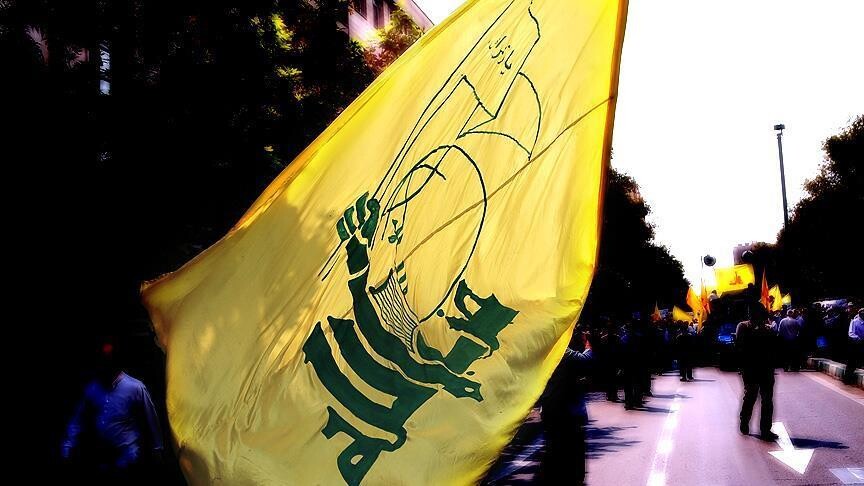
Hezbollah lawmaker Hassan Fadlallah says no one-sided ceasefire will hold and the group will not commit alone while Israel continues attacks. Fadlallah emphasized that Hezbollah rejects any return to conditions that existed before March 2, insisting that any agreement must be mutual and comprehensive. [1] The statement makes clear that Hezbollah views unilateral restraint as unsustainable given the pattern of Israeli operations. By conditioning its own compliance on reciprocal Israeli steps, the group signals that it will not accept a ceasefire that leaves it vulnerable. This position directly shapes the Lebanon conflict, as it rules out partial measures that fail to address Hezbollah's core security concerns. Fadlallah's remarks also reflect internal Lebanese political dynamics, where Hezbollah seeks to maintain leverage in any future negotiations.
Casualty figures and fighting intensity
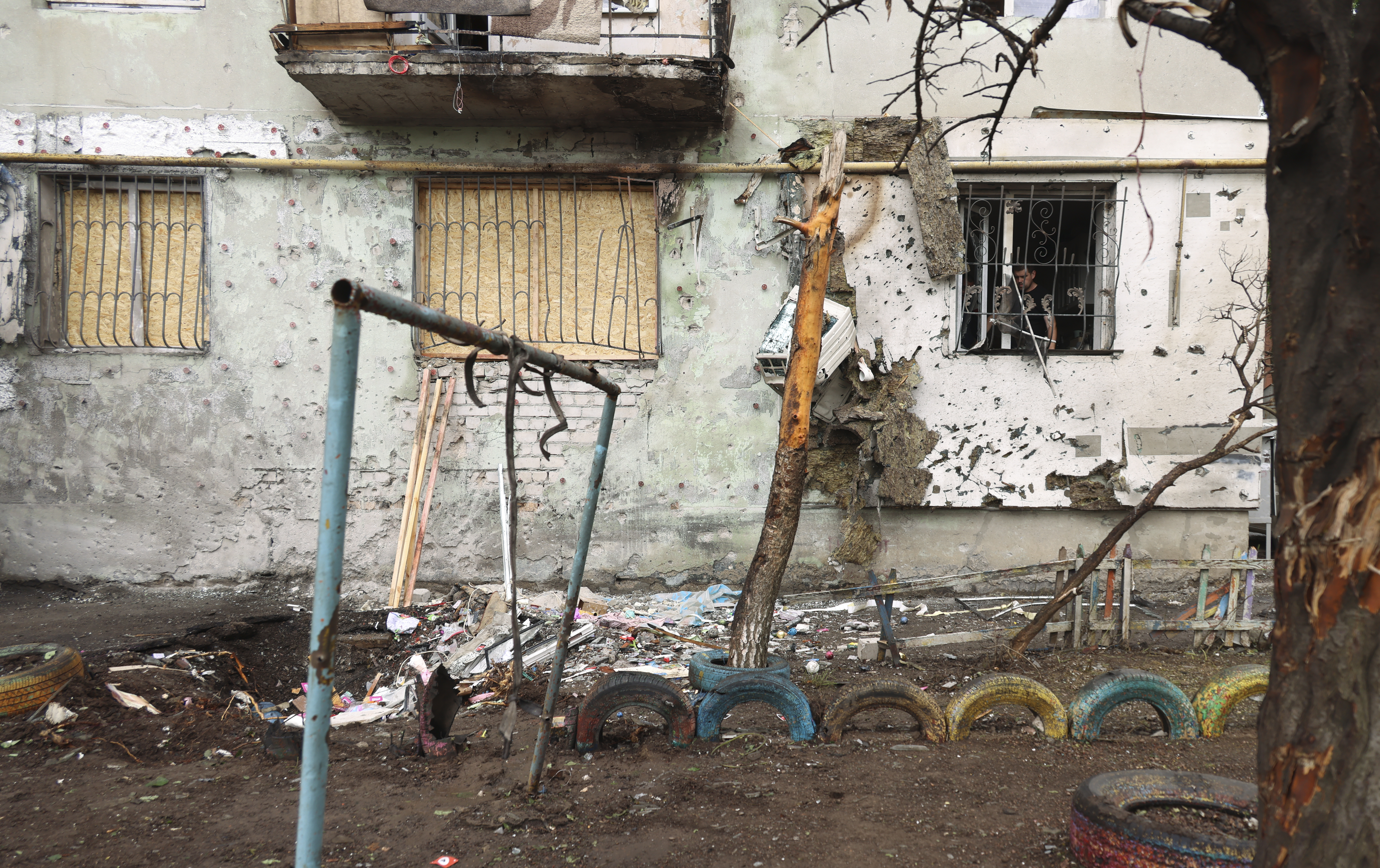
Death toll from Israel’s attacks on Lebanon since March has reached 3,433, with 10,395 injured. The Lebanese Health Ministry released the updated figures as fighting surged in recent days. [3] These numbers illustrate the human cost of the prolonged exchanges and the intensity of strikes on civilian and military targets alike. The surge in combat operations has coincided with the diplomatic push for a partial ceasefire, yet the casualty count continues to climb. Health officials have documented injuries ranging from blast trauma to shrapnel wounds, underscoring the widespread impact on communities near the front lines. The steady rise in both deaths and injuries places additional pressure on Lebanon's already strained medical infrastructure.
Diplomatic contacts and UN statement
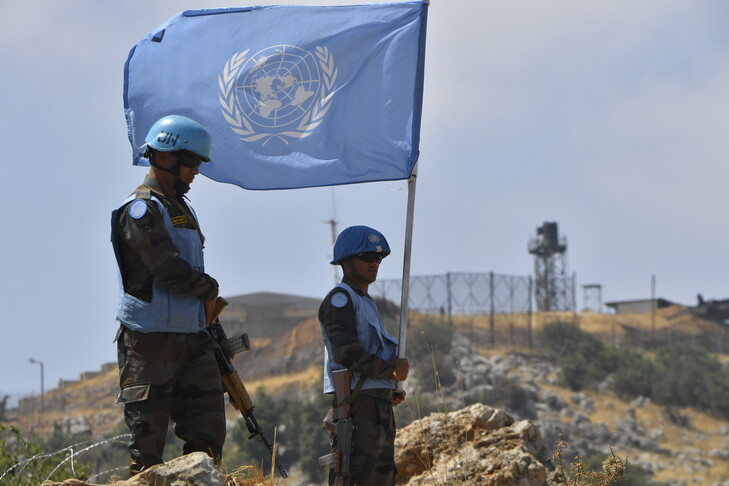
Trump talks to Hezbollah, Israel’s Netanyahu as Lebanon fighting surges. The former U.S. president held separate conversations with representatives from both sides in an effort to de-escalate the situation. [3] Concurrently, the United Nations welcomed the diplomatic push aimed at averting further escalation even as Israeli forces advanced deeper into Lebanese territory. UN official Martha Ama Akyaa Pobee called on Israel to withdraw its forces from Lebanese territory in full respect of Lebanon’s sovereignty and territorial integrity. [4] These parallel tracks of engagement reveal competing approaches to managing the Lebanon conflict. While direct talks between key figures seek immediate restraint, the UN statement focuses on long-term territorial principles. The combination of high-level outreach and institutional appeals has yet to produce a complete cessation of hostilities.
Iranian and U.S. conditions
Iran insists on a halt to Israeli attacks in Lebanon as a condition of any deal, while the U.S. says the conflicts are separate. Tehran has framed a durable agreement as impossible without an end to Israeli operations inside Lebanon. [5] In contrast, Washington maintains that the Lebanon conflict and other regional disputes should be treated as distinct issues. This divergence in approach affects the prospects for coordinated international pressure. Iranian statements tie the Lebanon file to wider strategic interests, including maritime routes, whereas the U.S. position seeks to compartmentalize negotiations. The resulting gap complicates efforts to align external actors behind a single framework for ending the fighting.
What to watch next: Continued Israeli operations and Hezbollah responses will determine whether the partial ceasefire can be expanded or whether further diplomatic interventions become necessary.