
Conflict Lebanon continues after Netanyahu rejects full halt to southern operations
The conflict Lebanon continues after Israeli Prime Minister Benjamin Netanyahu rejected any full halt to operations in southern Lebanon, even as reports emerged of a partial ceasefire between Israel and Hezbollah. Attacks have persisted in the region despite the announcement, with Israeli forces maintaining their planned activities amid diplomatic exchanges involving the United States.
Ceasefire reports and ongoing operations
Lebanon announced a partial ceasefire between Israel and Hezbollah, yet attacks have continued without interruption in multiple areas. This development has not altered the trajectory of military actions, as both sides have sustained engagements that contradict the terms of any de-escalation. Iran has maintained its position that a halt to Israeli attacks in Lebanon serves as a necessary condition for any deal to end the war, while the United States has described the conflicts as separate matters requiring distinct approaches. [2] These announcements highlight the gap between stated diplomatic progress and the reality of sustained operations on the ground, where forces have not withdrawn or reduced their presence as initially suggested in some reports.
Further details from the announcement indicate that the partial ceasefire was intended to create space for broader talks, but ongoing strikes have undermined that intent. The persistence of attacks underscores how fragile such agreements remain when core demands from involved parties, including Iran’s preconditions, have not been met. Observers note that the separation of the Lebanon situation from other regional conflicts, as stated by the United States, adds complexity to efforts aimed at achieving a comprehensive pause. [2] In this environment, the conflict Lebanon shows no immediate signs of resolution through the partial measures reported so far.
Israeli government position
Israeli Prime Minister Benjamin Netanyahu stated that he informed US President Donald Trump his country would strike Beirut if Hezbollah does not stop attacking Israel. Netanyahu also emphasized that Israel’s position remains unchanged and that the army will continue to operate as planned in southern Lebanon. [4] This stance reflects a broader agreement within Israeli political circles on the value of maintaining the military campaign, with experts describing a healthy consensus about the merits and desirability of the operations against Hezbollah targets. [3]
Netanyahu’s comments came after earlier suggestions of a dial-back in fighting, yet he clarified that no shift in strategy had occurred. The commitment to ongoing activities in southern Lebanon demonstrates that Israeli leadership views the current approach as essential for addressing threats from Hezbollah. [4] Within Israel, this position aligns with assessments that the campaign serves clear strategic purposes, allowing forces to pursue objectives without external constraints altering the timeline. [3] Such statements reinforce that any ceasefire discussions have not led to a reduction in planned military movements or a reconsideration of targets in Beirut should attacks from Hezbollah persist.
US diplomatic claims

Lebanon announces partial ceasefire between Israel and Hezbollah as attacks continue. — Source: japantimes
US President Donald Trump claimed that Israeli troops headed toward Beirut had turned back following separate phone calls with representatives from both sides of the conflict. He further stated that Hezbollah had agreed that all shooting would stop as a result of these conversations. [5] These assertions emerged shortly after reports surfaced that Iran was suspending talks with the United States over the intensified assault on Lebanon, positioning the diplomatic outreach as a direct response to the evolving situation.
Trump’s account suggested that the combination of outreach to Israeli and Hezbollah representatives produced an immediate reversal in troop movements and a commitment to cease fire. [5] This narrative contrasts with statements from Israeli leadership, illustrating differing interpretations of the same sequence of events. The claims also tie into broader US efforts to manage the pace of operations, though they have not produced verifiable changes in the field according to other reports. The timing of these statements, coming amid Iran’s reported pause in related discussions, adds layers to the diplomatic picture without resolving underlying disagreements.
UN response to escalation
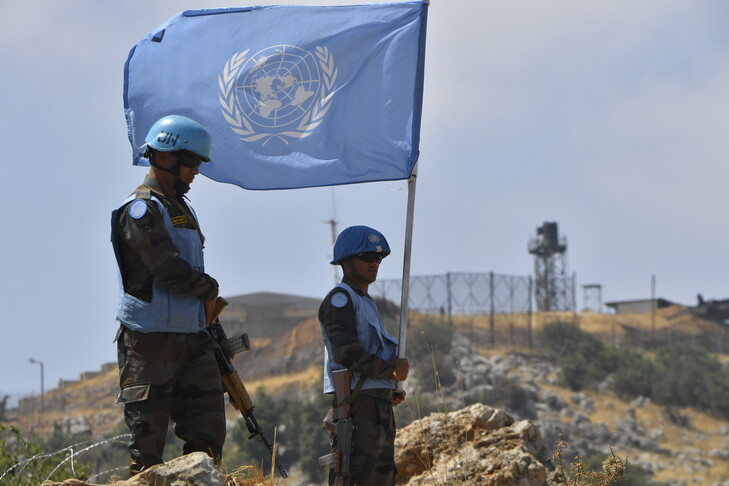
The United Nations welcomed diplomatic efforts aimed at averting further escalation even as Israel pushes deeper into Lebanon. At the same time, the organization called on Israel to withdraw its forces from Lebanese territory in full respect of Lebanon’s sovereignty and territorial integrity. [1] This dual message reflects an attempt to balance recognition of ongoing talks with insistence on adherence to established principles of territorial respect.
The UN statement emphasizes that any path forward must prioritize Lebanon’s sovereignty, regardless of the pace of diplomatic initiatives. [1] By acknowledging the push to prevent wider conflict while issuing a direct call for withdrawal, the response highlights the international body’s focus on both immediate de-escalation and longer-term compliance with international norms. These positions come amid reports of continued advances, underscoring the challenges in aligning military actions with diplomatic appeals.
Iranian conditions
Iran has insisted on a halt to Israeli attacks in Lebanon as a condition of any deal to end the war, while the United States maintains that the two conflicts remain separate. [2] This precondition shapes Iran’s approach to negotiations, linking progress on Lebanon directly to a cessation of operations rather than treating issues in isolation.
The Iranian stance adds a significant constraint to talks, as it requires concrete changes in Israeli military behavior before broader agreements can advance. [2] By tying any deal to the end of attacks, Iran positions itself as a key influencer in the outcome, separate from US efforts to compartmentalize the issues. This condition has contributed to reported pauses in certain discussions, illustrating how differing priorities among external actors affect the prospects for resolution in the region.
What to watch next: Continued operations by Israeli forces in southern Lebanon and any responses to the UN call for withdrawal will indicate whether diplomatic claims lead to measurable changes on the ground.






