Lebanon conflict partial ceasefire announced while attacks continue
The Lebanon conflict has reached a new stage with Lebanon announcing a partial ceasefire between Israel and Hezbollah, even as attacks continue in several areas. This development comes amid sustained military activity and diplomatic efforts involving multiple international actors.
Partial ceasefire declared
Lebanon announces partial ceasefire between Israel and Hezbollah but attacks continue, according to reports confirming the announcement. The partial ceasefire represents an attempt to reduce the intensity of exchanges, yet the persistence of strikes indicates that the measure has not fully halted operations on the ground. Sources note that the announcement was made while fighting remained active, underscoring the fragile nature of the agreement. [1] The same reports highlight that the partial ceasefire was declared even as both sides maintained positions that allowed for continued engagement in certain zones. This situation leaves the Lebanon conflict in a state where diplomatic language of de-escalation coexists with ongoing military actions.
Casualty update in conflict lebanon
Death toll from Israel’s attacks on Lebanon since March has reached 3,433, with 10,395 injured, according to the Health Ministry. These figures reflect the cumulative impact of operations conducted over several months and provide a clear measure of the human cost associated with the current phase of the Lebanon conflict. The ministry’s update serves as an official accounting of fatalities and injuries sustained during the period beginning in March. Such numbers illustrate the scale of the violence that preceded and accompanied the partial ceasefire announcement. [2]
Trump communications
Trump spoke with Hezbollah and Israeli Prime Minister Netanyahu as fighting surged. Netanyahu told Trump that Israel would strike Beirut if Hezbollah does not stop attacking Israel. Earlier statements from Trump indicated that Israel and Hezbollah had agreed to dial back fighting, yet Netanyahu’s warning about potential strikes on Beirut signaled continued Israeli readiness to escalate if attacks from Hezbollah persisted. These communications occurred against a backdrop of heightened military activity, with Netanyahu conveying Israel’s position directly to the U.S. president. [2][5] The exchanges demonstrate how high-level discussions between the United States, Israel, and Hezbollah representatives unfolded in real time while the Lebanon conflict remained active.
UN position
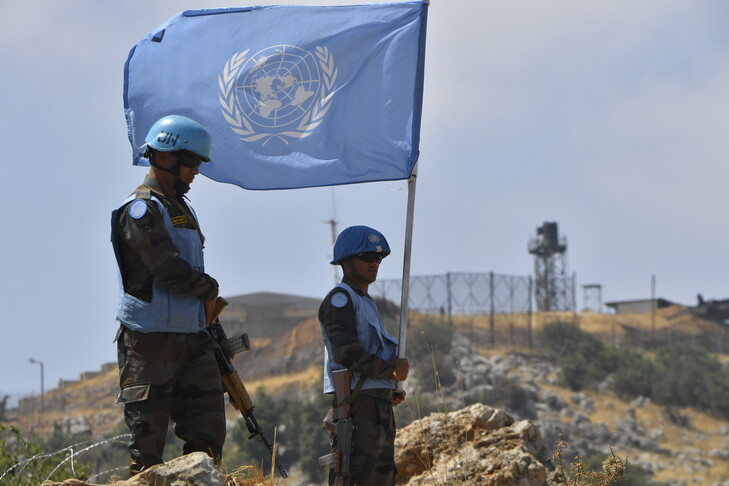
The UN calls on Israel to withdraw its forces from Lebanese territory in full respect of Lebanon’s sovereignty. This position was articulated as Israel pushed deeper into Lebanon, with the organization welcoming diplomatic efforts aimed at averting further escalation. The call emphasizes the need for complete withdrawal to uphold Lebanon’s territorial integrity. [3] Such statements from the UN reflect ongoing international concern over the presence of foreign forces inside Lebanon and the implications for regional stability.
Iranian condition
Iran insists on a halt to Israeli attacks in Lebanon as a condition of any deal. This requirement was stated alongside the partial ceasefire announcement, with Iran linking any broader agreement to the cessation of Israeli operations. The position separates the Lebanon conflict from other regional issues, as the U.S. has described the conflicts as distinct. [4] Iran’s stance adds another layer to negotiations, conditioning progress on observable reductions in Israeli military activity inside Lebanon.
What to watch next is whether the partial ceasefire leads to measurable reductions in attacks, whether Israel responds to the UN call for full withdrawal, and whether Iran’s condition on halting strikes becomes part of any wider agreement.