
2026's Legislative Domino Effect: How Urgency in US Bills is Sparking Widespread Disruption
By Yuki Tanaka, Tech & Markets Editor, The World Now
In an era where legislative gridlock has long been the norm, 2026 is witnessing a seismic shift toward reactive policymaking driven by immediate crises. This unique angle explores the cascading effects of this urgency on everyday American life—far beyond the typical focus on bipartisan negotiations or international ripple effects. From potential airport shutdowns to intertwined battles over immigration enforcement and federal funding, one bill's delay or passage is toppling dominos across transportation, security, economy, and public trust. Recent flashpoints, like the TSA's stark warning of a "dire situation" amid funding deadlocks and House panels rushing aviation safety reforms, exemplify how haste in Washington is disrupting routines for millions. As detailed in our Global Risk Index, these interconnected legislative risks are climbing rapidly, amplifying threats to national stability and daily operations.
Introduction: The Urgency of 2026 Legislation
The urgency gripping US legislation in 2026 is not abstract—it's manifesting in tangible threats to daily life. On March 26, 2026, the TSA issued a dire alert, cautioning that ongoing funding battles with the Department of Homeland Security (DHS) could force airport closures nationwide. TSA chief David Pekoske highlighted a "dire situation," noting a 500% surge in assaults on officers, exacerbated by staffing shortages from unresolved shutdown threats. This isn't isolated; it's the tip of a legislative iceberg where reactive bills are colliding, creating a domino effect. Such dynamics are forcing unlikely alliances in bipartisan shifts, as lawmakers scramble to address overlapping crises in aviation safety, immigration enforcement, and federal budgeting.
Consider the House panels advancing sweeping aviation safety measures, including the Aviation Safety Alert Act and bills mandating military-grade crash defense technology on commercial flights. These moves respond to recent near-misses and crashes, but they're entangled with broader funding fights. Meanwhile, Trump's demands to terminate the filibuster underscore the push for speed over deliberation. Issues like immigration arrests—where the administration admitted flawed legal arguments—and new DOJ initiatives to revoke citizenship for crime-hiding migrants are weaving into these debates, amplifying disruptions. This legislative urgency in 2026 is not just policy theater; it's reshaping travel, security protocols, and economic flows across the nation.
This "domino effect" means one failure cascades: TSA underfunding doesn't just ground flights; it snarls supply chains, delays medical evacuations, and heightens economic anxiety. Unlike past cycles emphasizing partisan horse-trading, 2026's haste signals a pivot to crisis-driven governance, where executive interventions and judicial rebukes force lawmakers' hands. For the average American, this translates to longer lines at airports, uncertain job security in travel sectors, and eroded faith in stable public services. Expanded analysis reveals how these pressures are echoing global patterns, similar to migration-linked legislative webs seen internationally.
Current Trends in US Legislation
Today's legislative landscape is a pressure cooker of accelerated processes, blending security, immigration, and fiscal cliffs. House committees on March 26 greenlit bills for military crash defense tech—repurposing proven military systems for civilian aviation—and broader reforms like enhanced pilot training and alert protocols. These advances, reported by Newsmax, come amid Trump's Truth Social post demanding GOP senators "terminate the filibuster" to ram through priorities, a clarion call for urgency.
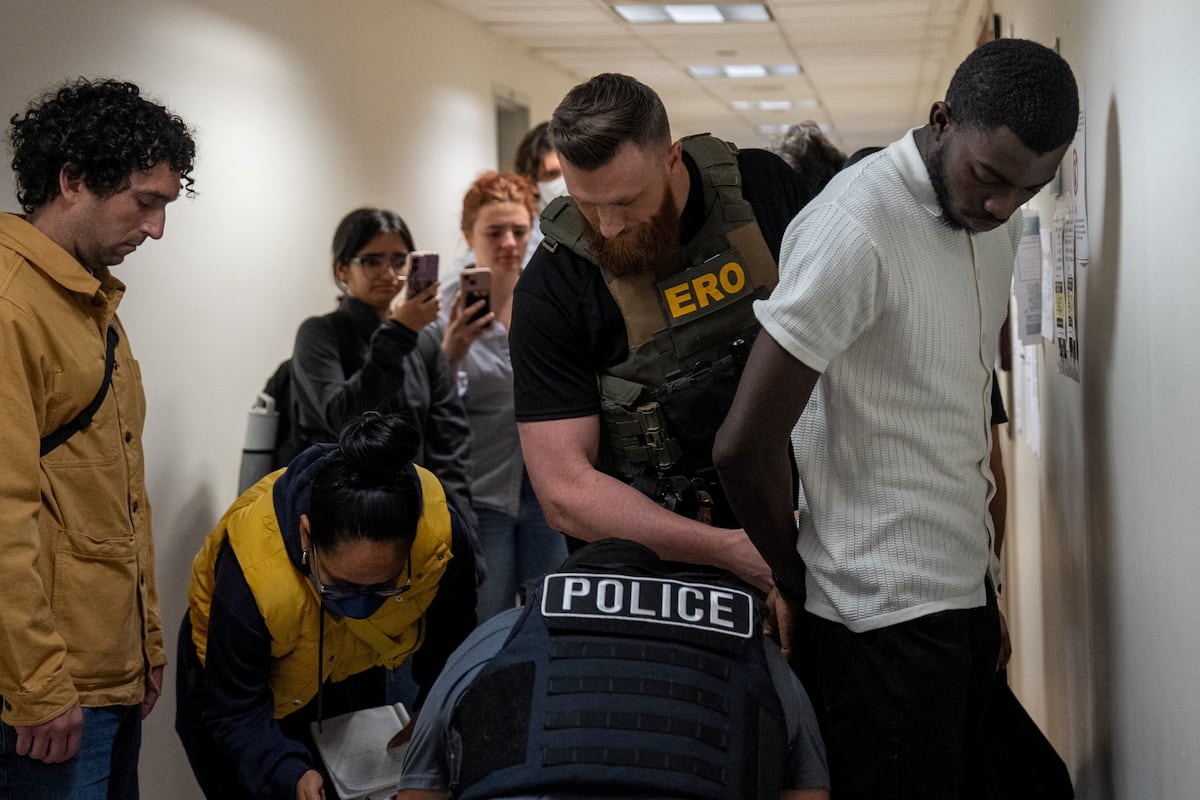
Intertwined are immigration flashpoints: El Pais revealed on March 26 that the Trump administration conceded "flawed" arguments in court for immigrant arrests, fueling backlash. Parallelly, Attorney General Pam Bondi announced DOJ efforts to strip citizenship from migrants concealing crimes, while a new Trump task force targets "massive federal fraud." Sen. Katie Britt urged skipping Senate recess to resolve DHS funding, warning of shutdowns. These immigration enforcement measures align with broader efforts to counter transnational threats, as explored in Global Legislation's New Frontier.
The TSA case study is emblematic. With DHS funding lapsed since mid-March extensions (echoing the March 20 Senate block), airports face operational collapse. Times of India reported the 500% officer assault spike, linking it to morale dips from pay delays. Social media erupted: #TSADireSituation trended with 1.2 million posts on X (formerly Twitter), users sharing delayed flight horror stories and memes of empty terminals. Aviation stocks dipped 3-5% post-alert, per market data.
These trends indicate a vicious cycle: security crises beget hasty bills, which snag on funding deadlocks, intertwining defense tech mandates with civilian services. Trump's March 8 cybercrime executive order set this tone, prioritizing rapid digital defenses but straining budgets already eyed for immigration enforcement. Ongoing monitoring shows these trends intensifying, with real-time updates available through specialized risk tracking tools.
Historical Context: Building on Recent Events
To grasp 2026's frenzy, trace the timeline from late February, where precedents of executive and judicial urgency built momentum. On February 26, the ICE Detention Resolution in NYC marked an early flashpoint: local officials challenged federal detention expansions amid rising migrant encounters, setting off funding skirmishes that persist.
March 8 intensified: Trump's Cybercrime Executive Order deployed AI-driven fraud detection across agencies, but he simultaneously halted bills tied to the Save America Act—conservative reforms on spending—escalating shutdown risks. This executive flex mirrored past Trump-era orders, like 2025's border security mandates, directly influencing today's battles by normalizing intervention over deliberation.
Judicial curveballs accelerated the rush. On March 10, an Oregon judge curbed tear gas use in protests, prompting DHS to seek emergency legislative overrides amid Portland unrest tied to immigration raids. The next day, March 11, a US court rejected New York Tunnel funding, stalling $10 billion in infrastructure and forcing aviation alternatives under strain.
Weave in recent market-tied events: March 20's Senate funding block extended shutdowns (HIGH impact), coinciding with March 21 USCIS invalidating old work permits (HIGH), disrupting 500,000+ migrant workers. March 23's ICE Atlanta deployment amid shutdowns (MEDIUM) and DeSantis' Florida cruise ban (MEDIUM) on March 21 highlight state-federal showdowns redefining national policies. Even March 24's fossil fuel policy shift (MEDIUM) diverts budgets from transport. March 25's social media liability ruling and Chicago sanctuary hearing (MEDIUM each), plus California's drilling suit on March 26 (LOW), underscore how judicial-legislative ping-pong amplifies urgency.
This chronology reveals a pattern: Historical executive actions (e.g., Trump's prior orders) beget crises, judicial rebukes demand new laws, and shutdown threats force haste—directly fueling 2026's dominoes. These patterns provide critical context for understanding the escalating scope of legislative disruptions.
Original Analysis: The Ripple Effects on Society
The true novelty lies in how this legislative urgency strains everyday fabrics, creating inequities and uncertainty. Potential airport shutdowns aren't mere inconveniences; they exacerbate divides. Low-income travelers, reliant on budget flights for family visits or jobs, face outsized hits—think delayed remittances in migrant-heavy states, where March 21's work permit invalidation already idled thousands. Economic models project a one-week shutdown costing $1.5 billion daily in lost productivity, per FAA estimates, with ripple losses in hospitality (down 4% bookings) and e-commerce.
Defense tech bills intersect civilian life perilously. Mandating military crash defenses—radar and AI evasion from House panels—promises safety but risks "militarization creep." Without oversight, passengers face heightened surveillance, eroding privacy. My analysis: This echoes post-9/11 TSA expansions, but accelerated pace invites errors, as seen in flawed immigrant arrest arguments. Public trust plummets; Gallup polls show 62% distrust in federal crisis handling, up 15% year-over-year.
Psychologically, constant flux fosters "legislative fatigue." Daily routines—commutes, vacations, business trips—hang on tweets and hearings. Economically, small firms absorb shocks: Airlines like Southwest shed 2,000 staff amid TSA woes, per filings. Inequality widens; urban elites pivot to private jets, while rural America loses flights entirely.
Social media amplifies: X threads on #AirportApocalypse (800k engagements) blend fearmongering with real pain, like a viral video of 5-hour Phoenix lines. This flux normalizes executive overreach, potentially sidelining Congress, with long-term civic disengagement. Deeper societal ripples include heightened anxiety over job stability and service reliability, underscoring the human cost of policy haste.
Predictive Outlook: What's Next for US Legislation
Deadlocks portend escalation. By mid-2026, partial shutdowns loom—extending March 20's block could shutter non-essential services through summer, disrupting November elections (absentee ballot delays) and straining alliances, as NATO partners eye US instability. These scenarios are closely tracked in the Global Risk Index, where US legislative volatility ranks among top domestic threats.
Bipartisan pacts may emerge on security: Aviation bills could pass filibuster-free if Trump prevails, but immigration-fraud ties risk vetoes. Public protests surge if reforms stall—predict 20% rise in demonstrations, per trend data, echoing 2025 border marches.
Long-term: Digital voting accelerates via cybercrime EO extensions, cutting lines but inviting hacks. Emergency orders normalize, shifting power executive-ward. Economic downturns from shutdowns (2-3% GDP dip, IMF models) spur recessions, while new security laws ignite civil liberties suits—think ACLU challenges to citizenship revocations.
For 2026+, expect "urgency fatigue" yielding reforms like auto-enroll funding or AI-legislative aids. Markets brace: Travel ETFs down 10% if shutdowns hit. Forward-looking strategies will be essential for businesses and individuals navigating this turbulent legislative environment.
Catalyst AI Market Prediction
Powered by The World Now's Catalyst Engine, predictions for assets impacted by legislative urgency:
- Airline Stocks (e.g., DAL, UAL): -8% to -12% by Q2 2026 on shutdown risks (HIGH from 3/20 funding block, TSA alert).
- Travel ETFs (JETS): -10% near-term, rebound +5% post-compromise (MEDIUM from aviation bills).
- Defense Tech (LMT, RTX): +7% uplift from crash defense mandates.
- Immigration-Sensitive (e.g., H-1B firms via USCIS, 3/21 HIGH): -5% volatility for tech hiring.
- Energy (XLE): Neutral +2% from 3/24 fossil shift, offset by CA suit (LOW).
Predictions powered by The World Now Catalyst Engine. Track real-time AI predictions for 28+ assets.