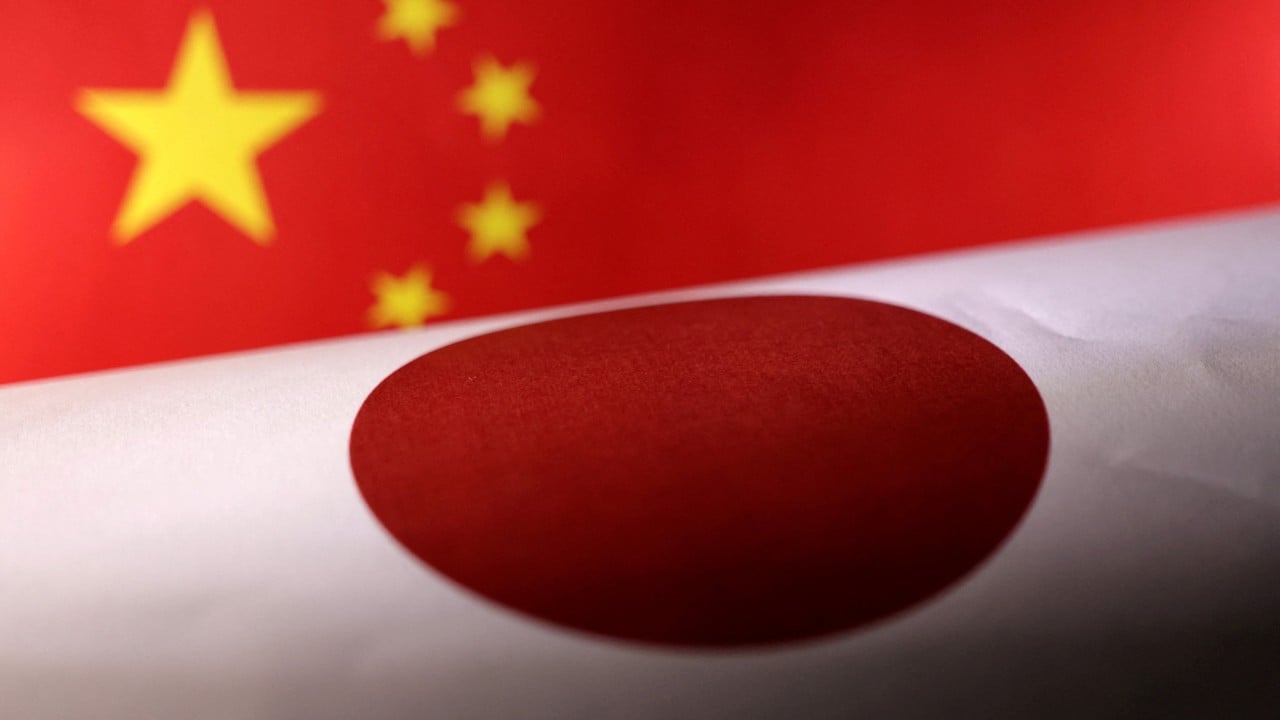

Japan-China Tensions Escalate Over Taiwan Remarks as Beijing Signals Potential Trade Fallout
Tokyo/Beijing – China's sharp rebuke of Japanese Prime Minister Sanae Takaichi's comments on Taiwan has ignited fresh concerns over bilateral trade disruptions and broader geopolitical friction in East Asia, with analysts scrutinizing Tokyo's potential countermeasures amid steady commerce for now.
The dispute erupted following Takaichi's remarks on November 7, which drew a strong response from Beijing. According to reports, Chinese officials have targeted Tokyo's stance, prompting questions about the levers Japan might deploy if tensions prolong. While trade flows between the world's second- and third-largest economies remain stable, experts highlight Japan's dominance in supplying critical industrial goods—particularly a key chipmaking ingredient—as a strategic asset. "China’s access to Japan’s coveted industrial-use goods – especially a critical chipmaking ingredient – may face hurdles if Tokyo imposes export restrictions," analysts and a trade organization noted, as cited in recent coverage.
This episode underscores the fragility of Japan-China relations, where economic interdependence coexists with deep-seated security rivalries. Japan relies on China as its largest trading partner, with bilateral trade exceeding $300 billion annually in recent years, according to Japanese government data. Conversely, China sources vital high-tech materials from Japan, including photoresists and other semiconductor precursors essential for its burgeoning chip industry. Companies like JSR Corp. and Tokyo Ohka Kogyo hold significant market share in these niches, giving Tokyo leverage amid global supply chain sensitivities.
Background on the Taiwan Flashpoint
The controversy fits into a pattern of escalating rhetoric over Taiwan, the self-ruled island that Beijing claims as its territory. Japan has long viewed Taiwan's security as intertwined with its own, given geographic proximity and shared democratic values. Under previous administrations, Tokyo has bolstered defense ties with the United States, including joint exercises in the region, and pledged support for Taiwan's defense capabilities without formal recognition.
Prime Minister Takaichi, known for her assertive foreign policy views, assumed office amid Japan's shifting political landscape. Her November 7 statement—specific details of which have fueled Beijing's ire—appears to have reaffirmed Japan's commitment to regional stability, potentially referencing potential contingencies in a Taiwan Strait crisis. China's foreign ministry and state media swiftly condemned the remarks, framing them as interference in its "core interests." This mirrors prior incidents, such as Beijing's 2021 sanctions on Japanese officials over Hong Kong comments and military drills near disputed waters.
Historically, Japan-China frictions have oscillated between economic cooperation and territorial disputes, notably over the Senkaku/Diaoyu Islands in the East China Sea. Japan nationalized the islets in 2012, triggering Chinese economic boycotts that cost Japanese firms billions. More recently, Tokyo's 2022 National Security Strategy designated China as an "unprecedented strategic challenge," prompting record defense spending hikes to 2% of GDP by 2027.
Economic Stakes and Potential Retaliation
For now, no concrete trade barriers have materialized. Data from Japan's Ministry of Economy, Trade and Industry shows stable exports of strategic materials to China, even as U.S.-China tech decoupling pressures mount. However, analysts warn of vulnerabilities. "Beijing’s response... has prompted some analysts to ask what cards Tokyo might play should the relationship deteriorate further," one report observed.
Japan's export control regime, strengthened post-2019 amid Huawei concerns, allows restrictions on dual-use technologies. In a prolonged standoff, Tokyo could emulate U.S. measures, curbing flows of chipmaking chemicals where it commands over 50% global share. A trade organization emphasized that such steps would disrupt China's semiconductor ambitions, already strained by U.S. bans on advanced tools from ASML and others.
China, meanwhile, holds sway through rare earth exports and market access. Past disputes saw Beijing halt rare earth shipments to Japan in 2010, though diversified sourcing has since mitigated risks. Current trade data indicates resilience: Japan's exports to China rose 5% year-on-year through late 2025, per customs figures.
Regional Implications and Outlook
The flare-up occurs against a tense backdrop. U.S. President-elect dynamics in early 2026, alongside Japan's alignment with the Quad (U.S., Japan, India, Australia), amplify stakes. A Taiwan conflict could draw in Japan via U.S. treaty obligations, with Tokyo hosting key bases.
Experts urge de-escalation. Diplomatic channels remain open, with high-level talks slated for the Asian Winter Meeting in January. Yet, as one analyst queried, "What levers does Japan have?" The answer lies in calibrated economic signaling, underscoring Tokyo's pivot from postwar pacifism toward proactive deterrence.
While trade holds firm, this Taiwan spat signals deeper currents. Stakeholders watch closely, as missteps could ripple through global supply chains, from electronics to autos, testing the balance between rivalry and interdependence in Asia's powerhouse economies.
(Word count: 612)






