Jaishankar Asserts India's Right to Self-Defense Amid Rising Tensions with Pakistan

Latest from X
Jaishankar Asserts India's Right to Self-Defense Amid Rising Tensions with Pakistan
New Delhi, January 4, 2026 — India's External Affairs Minister S. Jaishankar has reiterated the nation’s unwavering stance on self-defense against terrorism, emphasizing that India will determine how to protect itself from threats, particularly those emanating from neighboring Pakistan. This statement, made on January 2, comes at a time of heightened geopolitical challenges in the region, as India’s 'Neighbourhood First' policy faces what experts describe as its greatest test in 2026.
Jaishankar’s remarks underscore a firm message to Pakistan, a country long accused by India of sponsoring cross-border terrorism. "How India exercises its right to defend itself against terrorism is up to India," he declared, as reported by Amar Ujala. He further criticized the expectation of goodwill in bilateral relations while terrorism persists, stating, "You can’t ask for water and continue terrorism," in a pointed reference to ongoing disputes like the Indus Water Treaty, according to The Economic Times.
Context of Rising Tensions
The minister’s comments follow a series of events that have strained India-Pakistan relations, including the 2025 conflict sparked by Operation Sindoor, a military campaign launched by India in response to the Pahalgam attack in Jammu and Kashmir. The attack on April 22, 2025, which claimed 26 civilian lives, prompted India to target terrorism-related infrastructure in Pakistan and Pakistan-administered Kashmir. While India maintained that no civilian or military facilities were hit, Pakistan reported civilian casualties, escalating border skirmishes and deepening mistrust.
Jaishankar’s recent statements reflect a broader shift in India’s approach to regional security, prioritizing strategic autonomy and a zero-tolerance policy toward terrorism. Posts on X from verified accounts, including news outlets like Firstpost and Mathrubhumi English, highlight the minister’s warning to "bad neighbours" who sponsor terrorism, signaling that good neighborly relations cannot coexist with continued acts of terror.
Challenges to 'Neighbourhood First' Policy
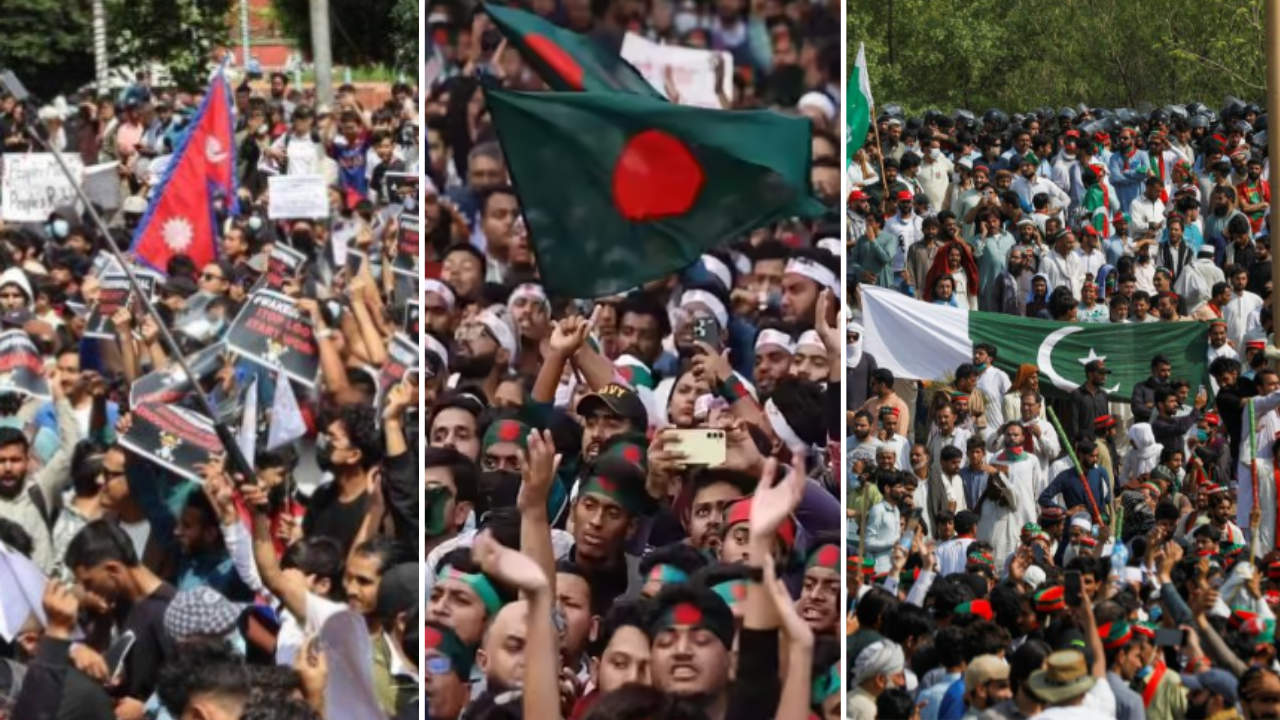
India’s broader geopolitical strategy, encapsulated in its 'Neighbourhood First' policy, is under scrutiny as 2026 unfolds. According to a detailed analysis by the Times of India, evolving dynamics with neighbors like Bangladesh, Nepal, and Pakistan are testing India’s diplomatic balancing act. The policy, aimed at fostering regional cooperation and stability, faces hurdles due to internal political changes in neighboring countries, historical disputes, and external influences, particularly China’s growing presence in South Asia.
With Pakistan, the challenge remains rooted in security concerns. Jaishankar’s pointed remarks about terrorism and self-defense are seen as a reiteration of India’s post-2025 conflict stance: that it will not hesitate to take decisive action if provoked. This position complicates efforts to engage in dialogue over shared resources like water or trade, as trust remains eroded by ongoing allegations of state-sponsored militancy.
Background: A History of Friction
India-Pakistan relations have been marked by conflict since their partition in 1947, with terrorism emerging as a central issue in recent decades. India has repeatedly accused Pakistan of harboring and supporting militant groups like Jaish-e-Mohammed and Lashkar-e-Taiba, responsible for attacks on Indian soil. Operations like Sindoor in 2025 represent a shift toward preemptive or retaliatory military actions, a policy Jaishankar continues to defend as a necessary exercise of self-defense.
Meanwhile, India’s relations with other neighbors are also strained. In Bangladesh, political instability and border issues persist, while Nepal’s tilt toward China in infrastructure and trade agreements challenges India’s regional influence. These dynamics, combined with Pakistan’s unresolved tensions, create a complex web of challenges for New Delhi’s foreign policy.
Global and Regional Implications
Jaishankar’s emphasis on strategic autonomy signals to the international community that India will not be dictated by external pressures in handling its security concerns. This stance, while reinforcing national sovereignty, may impact diplomatic efforts to stabilize South Asia, a region critical to global trade routes and counterterrorism efforts.
Analysts suggest that 2026 could be a defining year for India’s regional strategy. The outcomes of ongoing disputes, particularly with Pakistan over terrorism and water-sharing, will likely shape the trajectory of the 'Neighbourhood First' policy. As Jaishankar noted, cooperation with "good neighbours" will be prioritized, while those persisting with hostility can expect a firm response.
Outlook: A Delicate Balancing Act
As India navigates these turbulent waters, the balance between assertive defense and diplomatic engagement remains delicate. Jaishankar’s recent statements serve as both a warning and a policy marker, affirming that India’s right to self-defense will not be compromised. Whether this approach will lead to de-escalation or further conflict with Pakistan—and how it will influence ties with other neighbors—remains to be seen. For now, India stands resolute, prioritizing security while grappling with the complexities of regional geopolitics in 2026.
Track this story live
Live World Map
Monitor global events in real time with a live activity map and hotspot summaries.
Markets
Connect live events to Catalyst market signals across crypto, commodities, indices, and forex.
Geopolitical Risk
Live geopolitical risk index tracking conflict zones, sanctions, and global threat levels.
Original Sources
- •
- •
- •
Editorial process: This article was synthesized from the original sources cited above using The World Now's AI editorial system, with byline accountability from our editorial team. We grade every story for source grounding, factual coherence, and on-topic match before publication. Read more about our editorial standards and contributors. Spot something inaccurate? Let us know.
Last updated: January 11, 2026






