
Jaishankar Asserts India's Right to Self-Defense Against Terrorism, Highlights Strategic Autonomy Amid Pakistan Tensions
New Delhi, January 7, 2026 – India's External Affairs Minister S. Jaishankar firmly reiterated the country's right to self-defense against terrorism on January 2, emphasizing the persistent challenges posed by neighboring Pakistan while underscoring New Delhi's strategic autonomy in global affairs.
In a statement that reflects India's unwavering stance on national security, Jaishankar highlighted the imperative for India to protect itself from cross-border terrorism. The remarks, delivered amid ongoing regional geopolitical frictions, come at a time when India continues to navigate complex relationships with its neighbors and major global powers. Jaishankar's comments serve as a reminder of India's doctrine that self-defense is non-negotiable when confronted with terrorist threats originating from across its borders.
The External Affairs Minister's assertion aligns with India's long-standing position that Pakistan harbors and supports terrorist groups targeting Indian interests. Jaishankar stressed that India reserves the right to respond decisively to such provocations, a principle that has guided New Delhi's security policy for years. While specific details of the January 2 address were not immediately detailed in public releases, the minister framed these challenges within the broader context of India's strategic autonomy – a foreign policy cornerstone that allows the country to pursue independent decisions without aligning fully with any bloc.
Historical Context of India-Pakistan Tensions
India-Pakistan relations have been marked by deep-seated rivalry since the 1947 partition, exacerbated by disputes over Kashmir and multiple wars in 1947, 1965, 1971, and 1999. Terrorism has emerged as a central flashpoint, with Pakistan-based outfits like Lashkar-e-Taiba (LeT) and Jaish-e-Mohammed (JeM) implicated in major attacks on Indian soil.
Key incidents underscore India's repeated invocations of self-defense:
- The 2008 Mumbai attacks, which killed 166 people, were traced to LeT operatives trained in Pakistan.
- The 2016 Pathankot airbase assault and the 2019 Pulwama bombing, which claimed 40 Indian paramilitary lives, were both attributed to JeM.
In response to Pulwama, India conducted airstrikes on a JeM camp in Balakot, Pakistan, on February 26, 2019 – a landmark pre-emptive action that Jaishankar and other leaders have defended internationally as legitimate self-defense under Article 51 of the UN Charter. This operation marked a shift in India's counter-terrorism strategy, moving beyond reactive measures to proactive responses.
Jaishankar, a career diplomat who assumed the External Affairs Minister role in 2019, has consistently articulated this position on global stages. During visits to the United States, Europe, and the United Nations, he has argued that India's responses are proportionate and necessary, countering narratives that equate aggressor and victim. In 2023, for instance, he told the Australian Parliament that terrorism is not a "non-state actor" issue when state support is evident.
Strategic Autonomy in India's Foreign Policy
Jaishankar's emphasis on strategic autonomy reflects India's multi-alignment approach, balancing ties with the West, Russia, and the Global South. This was evident in India's abstentions on UN votes condemning Russia's 2022 invasion of Ukraine, prioritizing energy security and historical ties with Moscow. Concurrently, India has deepened partnerships through the Quad (with the US, Japan, and Australia) to counter Chinese influence in the Indo-Pacific, while maintaining robust defense and trade relations with the United States.
The minister's remarks also occur against the backdrop of recent border skirmishes with China along the Line of Actual Control (LAC) in Ladakh, where India has similarly asserted its defensive rights. India's $5 billion arms deals with Russia in 2024-2025 and growing procurement from the US (including MQ-9B drones) illustrate this pragmatic autonomy.
Broader Geopolitical Implications
As South Asia remains a hotspot for geopolitical maneuvering, Jaishankar's statement signals to Pakistan and the international community that India will not tolerate terrorism as a proxy tool. Pakistan, facing its own economic woes and political instability, has repeatedly denied state involvement in terror groups, though UN designations of JeM and LeT leaders contradict such claims.
Internationally, India's position garners support from allies like the US and Israel, which recognize the terrorist threat. The Financial Action Task Force (FATF) has kept Pakistan on its grey list since 2018 for deficiencies in countering terror financing, adding pressure on Islamabad.
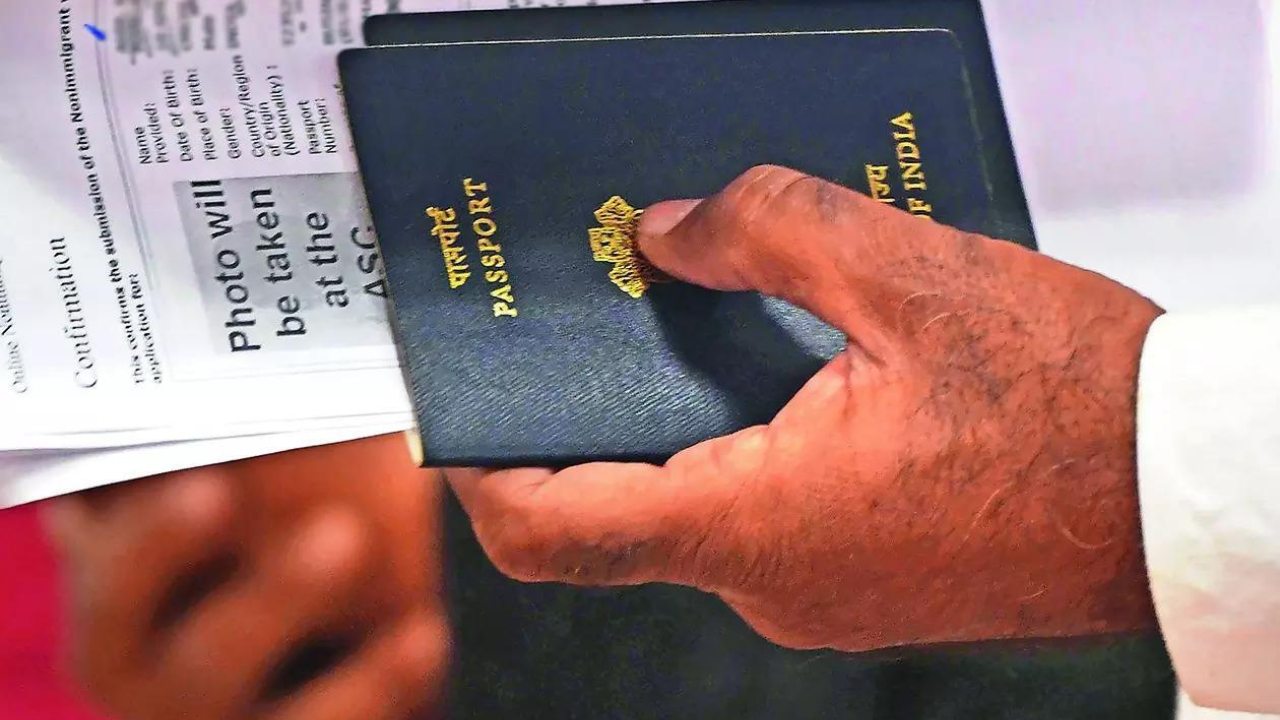
In parallel developments underscoring India-US ties – a key pillar of India's strategic outlook – the US Embassy in India issued a stern warning on January 7 to student visa holders. Violations of US laws could result in deportation, visa revocation, and permanent ineligibility for future visas, with new mandates for in-person interviews. This follows similar advisories for H-1B and H-4 applicants, reflecting tightened immigration scrutiny amid strong bilateral strategic cooperation.
Outlook
Jaishankar's reaffirmation reinforces India's red lines on security, likely to shape upcoming diplomatic engagements, including potential SAARC revival efforts or bilateral talks. With elections in Pakistan looming and India's 2029 general elections on the horizon, the rhetoric could intensify. However, India's focus on economic growth – projected at 7% GDP expansion in 2026 – and diplomatic outreach suggests a preference for stability over escalation.
As global powers vie for influence in South Asia, India's blend of firm self-defense and strategic autonomy positions it as a pivotal player, committed to safeguarding its sovereignty while fostering cooperative international relations.
(Word count: 712)






