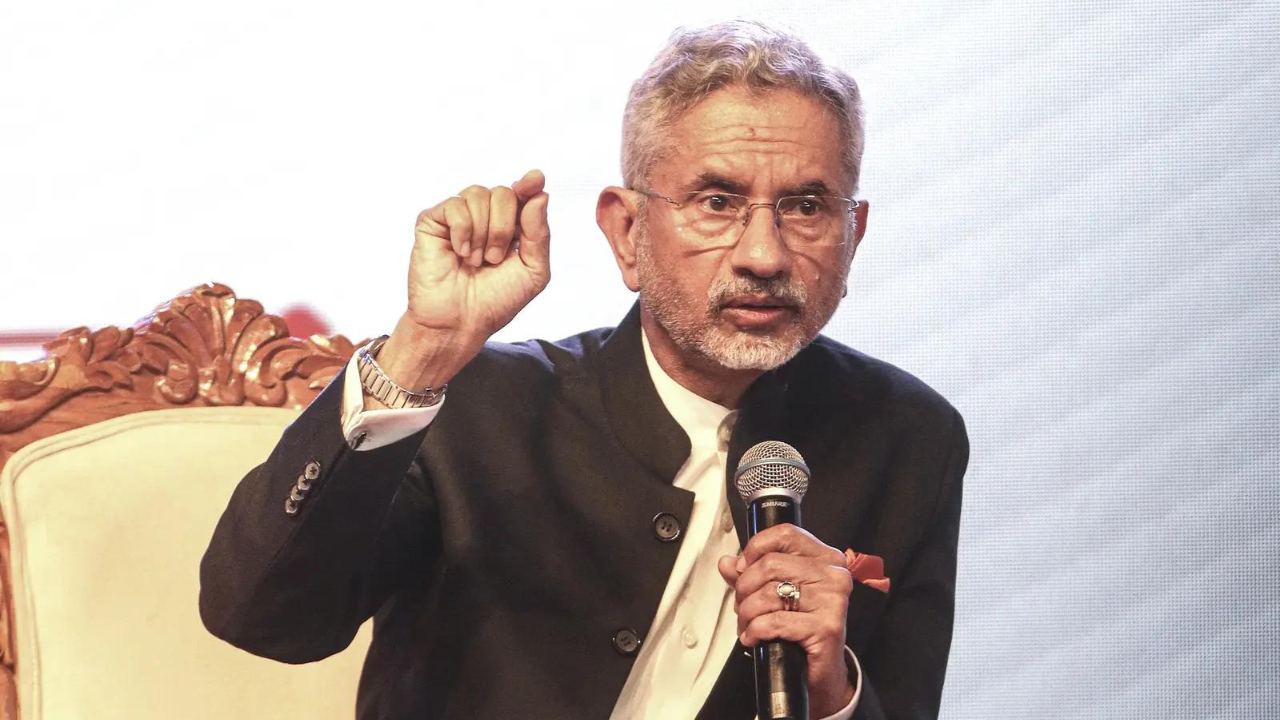

Jaishankar Affirms India's Right to Self-Defense Amid Regional Tensions
In a recent address, India's External Affairs Minister S. Jaishankar asserted the nation's unequivocal right to self-defense, particularly in the context of ongoing challenges from neighboring Pakistan, which he referred to as a "bad neighbour." His remarks underscore India's commitment to maintaining strategic autonomy while addressing persistent issues of terrorism that plague the region.
During a press briefing on January 2, 2026, Jaishankar highlighted the necessity for India to protect its sovereignty and territorial integrity against external threats. He emphasized that "bad neighbours" contribute significantly to the security challenges faced by the country, a clear reference to Pakistan's historical involvement in cross-border terrorism. Jaishankar's comments come at a time when tensions in the region remain high, particularly regarding issues related to Kashmir and other territorial disputes.
Jaishankar dismissed the notion of seeking external mediation in India's conflicts, stating that such interventions often undermine the goodwill necessary for bilateral relations. He pointed out that continued hostilities have a detrimental effect on agreements like the Indus Waters Treaty, which governs water-sharing between India and Pakistan. "We are not looking for someone to mediate our disputes," Jaishankar stated. "We believe in negotiating our issues directly."
The minister's statements reflect a broader trend in India's foreign policy, which has increasingly leaned towards asserting its independence in regional and global affairs. This approach is in line with Prime Minister Narendra Modi's vision of a strong and self-reliant India, capable of addressing its security concerns without reliance on external powers.
Jaishankar's remarks also come amid ongoing geopolitical shifts in South Asia, where India is navigating complex relationships with both its neighbors and global powers. The dynamics of India's relationship with Pakistan are particularly strained, as cross-border terrorism continues to be a flashpoint in bilateral ties. The Indian government has maintained a firm stance on counter-terrorism efforts, often responding with military actions against terrorist camps believed to be operating in Pakistan-administered territories.
Context and Background
India's relationship with Pakistan has been fraught with tension since the two nations gained independence in 1947. The conflict over Kashmir has led to several wars and ongoing military skirmishes along the Line of Control (LoC). Despite various peace initiatives, the situation remains volatile, with periodic escalations in violence and rhetoric from both sides.
In recent years, India's government has adopted a more assertive posture regarding its security policy, especially after several high-profile terrorist attacks attributed to Pakistan-based groups. This shift has included calls for greater military preparedness and a more robust response to threats perceived to emanate from across the border.
Jaishankar's emphasis on self-defense aligns with this strategic pivot, reinforcing the message that India will take necessary actions to safeguard its interests. His comments may also resonate with domestic audiences, as national security remains a significant concern for Indian voters.
Conclusion
S. Jaishankar's recent declarations regarding India's right to self-defense serve as a reminder of the ongoing complexities in South Asian geopolitics, particularly in relation to India's fraught relationship with Pakistan. As tensions persist, India's commitment to strategic autonomy and direct negotiations will likely continue to shape its foreign policy approach. The international community will be closely watching how these dynamics evolve, especially as India seeks to balance its regional ambitions with the challenges posed by its neighbors.






