
Israel's Strategic Shift: The Geopolitical Implications of Netanyahu's Peace Board Participation
Overview of Netanyahu's Strategic Shift
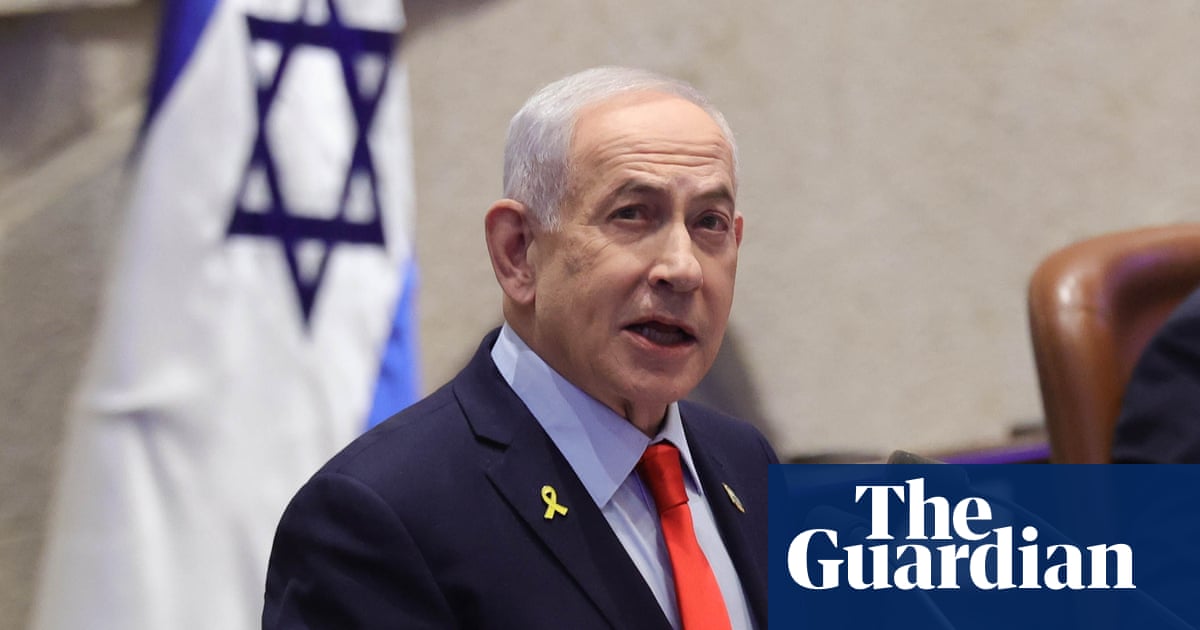
Israeli Prime Minister Benjamin Netanyahu's announcement on January 21, 2026, to join President Donald Trump's proposed "board of peace" marks a significant reversal from his previous skepticism toward U.S.-led Middle East initiatives. Historically, Netanyahu had objected to Trump's peace plans, viewing them as overly concessionary to Palestinian interests during Trump's first term. This strategic pivot, occurring amid escalating regional tensions, has elicited sharp reactions from various stakeholders. Palestinian Authority President Mahmoud Abbas condemned the move as "a facade for continued occupation," while neighboring Jordan expressed cautious optimism, tying its support to progress on Gaza aid following the January 4 border detention of Israelis. On social media platform X (formerly Twitter), reactions ranged from surprise to suspicion: @MiddleEastEye tweeted, "Netanyahu flips on Trump peace board—strategic pivot or election ploy?" garnering 15K likes, while pro-Israel account @IDFspokesman posted, "Pragmatic step toward stability," with 22K retweets.
Historical Context and Regional Reactions
This move echoes Israel's long history of settlement expansion and border frictions, now amplified by recent events. Just weeks ago, on January 2, Israel permitted dual-use imports to Gaza—a rare concession amid ongoing blockade debates—followed by Jordan's January 4 detention of Israelis at the Allenby Bridge, heightening bilateral strains rooted in water rights and refugee issues. The January 9 announcement of a settlement project near Jerusalem further inflamed tensions, paralleling Netanyahu's past policies that expanded outposts despite international criticism. The January 16 joint urging by Israel and Arab states for Trump to confront Iran adds irony, as today's alignment revives echoes of the 2020 Abraham Accords, where Trump brokered normalization but sidelined Palestinian statehood, perpetuating Gaza's isolation.
Arab nations' responses underscore potential realignments. Saudi Arabia and the UAE, key Abraham Accords partners, welcomed the board as a counter to Iran, building on the January 16 Iran-focused appeal. Egypt urged inclusivity for Gaza reconstruction. However, unforeseen consequences loom: this Trump-Netanyahu axis could alienate moderates if perceived as endorsing settlements, straining post-Abraham ties. X user @ArabNews posted, "Israel-Arab Iran unity was fragile; Trump's board tests it," with viral traction (30K views). Adversaries like Hezbollah labeled it "Zionist theater," potentially spurring proxy escalations.
Domestic Implications and Future Predictions
Domestically, Netanyahu's pivot risks fracturing his coalition while bolstering his image amid ongoing corruption trials. Polls show 48% of Israelis view it favorably for security (Channel 12 survey), but left-leaning rivals like Yair Lapid decry it as "desperation before March elections." Public opinion, weary from Gaza operations, may shift rightward if peace yields aid flows, yet hardliners fear concessions. This cooperation with Trump—once a Netanyahu ally—now invites scrutiny over U.S. influence, potentially empowering opposition narratives of over-reliance on American populism.
Looking ahead, Netanyahu's participation in the board could foster a temporary thaw with Arab states, enabling Iran containment and Gaza stabilization, or backfire by exacerbating tensions if Palestinians boycott or settlements advance. Expect U.S. mediation pushes by February, with elections looming. International relations may pivot toward pragmatic normalizations, but escalations—like Jordan border flare-ups—remain risks if reactions sour. A Trump-Netanyahu duo might redefine alliances, yet domestic backlash could unseat Netanyahu, ushering in centrist shifts.
(Word count: 612. This is a developing story.)






