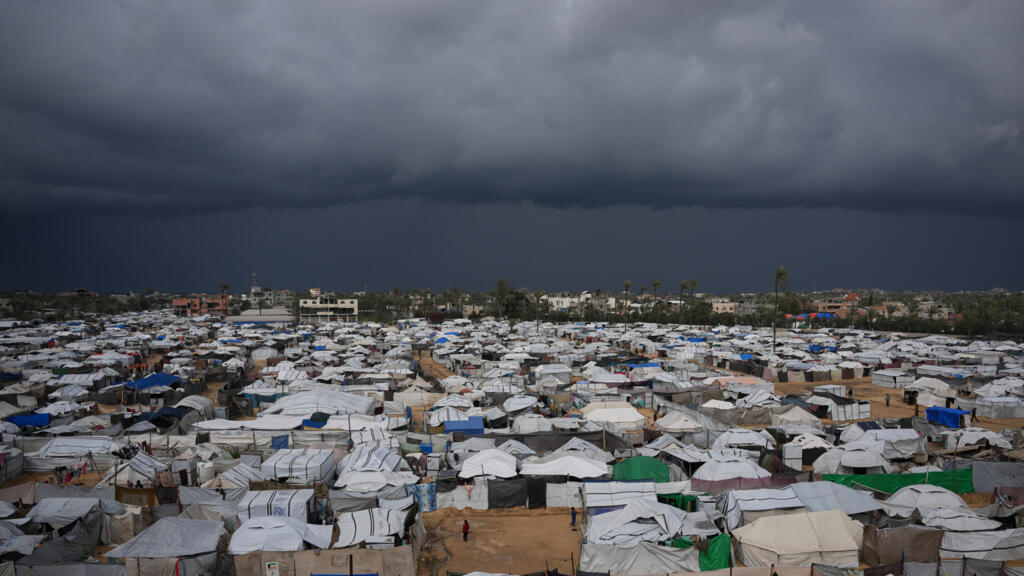

Israel's Shifting Policies Amidst Ongoing Humanitarian Crisis in Gaza
In a significant policy shift, Israel has allowed the importation of 'dual use' items into Gaza, a move that could impact humanitarian efforts in the region. This decision comes amid heightened scrutiny over Israel's restrictions on humanitarian aid and the recent ban of 37 non-governmental organizations (NGOs) from operating in Gaza, raising concerns over the escalating humanitarian crisis.
On January 2, 2026, Israeli authorities confirmed that merchants in Gaza will now be permitted to import items previously classified as dual-use, which can serve both civilian and military purposes. This change follows international pressure and criticism over the dire humanitarian conditions in Gaza, exacerbated by ongoing conflict and previous restrictions on aid deliveries.
The decision to allow dual-use imports appears to be part of a broader strategy by the Israeli government to manage its security concerns while addressing some of the humanitarian needs in Gaza. However, it comes concurrently with Israel's announcement of a ban on 37 international NGOs, which it claims have failed to meet security and transparency standards. This ban has sparked outrage among humanitarian leaders and organizations, who argue that it will further complicate efforts to deliver essential aid to the region.
Humanitarian Crisis Deepens
The humanitarian situation in Gaza remains critical, with many organizations warning that the existing aid is insufficient to meet the needs of the population. The joint statement from countries including Britain, Canada, and France prior to the dual-use import policy indicated growing international alarm over the worsening conditions, which Israel dismissed as "false but unsurprising" claims.
Humanitarian groups assert that the ban on NGOs will severely limit food and medical supplies, as these organizations play a crucial role in delivering assistance to those in need. Médecins Sans Frontières (Doctors Without Borders) has stated that the deregistration of its staff would cut off vital medical support for hundreds of thousands of people in Gaza, highlighting the potential human cost of these policy decisions.
International Response and Criticism
The international community has reacted strongly to Israel's actions. Humanitarian leaders, including those from the Inter-Agency Standing Committee, have urged Israeli authorities to revoke the planned NGO ban, emphasizing the urgent need for comprehensive humanitarian access in Gaza. The UN has also condemned Israel's recognition of Somaliland, labeling it a violation of international law and prompting further scrutiny of Israel's foreign policy actions.
Additionally, U.S. President Donald Trump’s recent discussions with Israeli Prime Minister Benjamin Netanyahu regarding a ceasefire in Gaza underscore the complex geopolitical dynamics at play. As Netanyahu navigates domestic dissatisfaction over his handling of the situation, the potential for international diplomatic pressure to influence Israeli policy remains uncertain.
Conclusion
As Israel allows dual-use imports into Gaza while simultaneously enforcing a ban on many NGOs, the balance between national security and humanitarian needs remains precarious. The international community continues to call for increased access and support for humanitarian efforts in the region, as the pressing crisis unfolds amidst ongoing geopolitical tensions. How these developments will affect the humanitarian landscape in Gaza, and Israel's broader diplomatic relations, is yet to be seen.






