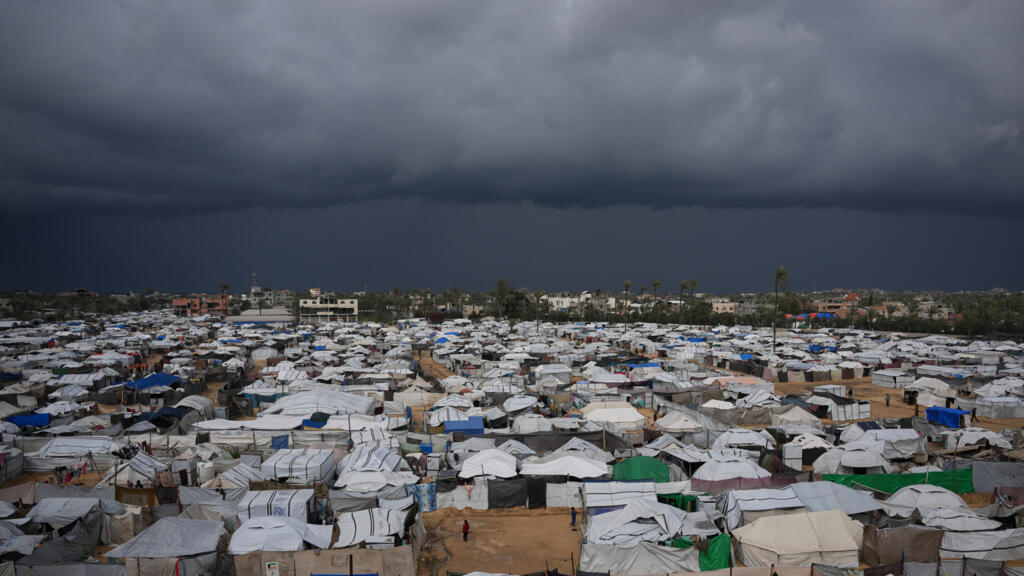

Israel's Shift in Policy: Allowing Dual-Use Imports to Gaza Amid Humanitarian Crisis
In a significant policy shift, Israel has permitted the importation of 'dual-use' items into Gaza, a move that may impact the ongoing humanitarian situation in the territory. This decision comes against the backdrop of escalating tensions and criticism regarding Israel's recent ban on several international non-governmental organizations (NGOs) providing humanitarian assistance in Gaza.
On January 2, 2026, Israeli authorities announced the relaxation of restrictions on dual-use imports, which are items that can be utilized for both civilian and military purposes. This change is seen as an attempt to address the dire humanitarian conditions in Gaza, which have been exacerbated by the ongoing conflict and previous restrictions on aid delivery.
Ban on NGOs and Humanitarian Concerns
Simultaneously, Israel has confirmed that it will enforce a ban on 37 NGOs operating in Gaza, claiming these organizations failed to meet security and transparency standards. This ban is set against a backdrop of increasing international concern regarding the humanitarian crisis in the region, which has been described as "dire" by multiple agencies and humanitarian leaders. Countries including Britain, Canada, and France have voiced their apprehensions, urging Israel to take action to alleviate the suffering of the Gazan population. However, Israel dismissed these calls as "false but unsurprising" source.
The ban on NGOs has raised alarms among humanitarian organizations, which warn that it will severely hinder the delivery of essential aid, including food and medical supplies. Many NGOs have expressed fears that providing detailed personal information about their Palestinian staff could put them at risk of targeting by Israeli authorities source.
International Response and Implications
The Inter-Agency Standing Committee (IASC), a coalition of humanitarian organizations, has called for the immediate revocation of Israel's planned NGO ban, emphasizing the critical need for humanitarian assistance in Gaza. The ongoing conflict there has already made it difficult for aid groups to operate, and the current restrictions could lead to catastrophic consequences for the civilian population, which is in urgent need of support source.
The dual-use import policy appears to be an attempt by Israel to alleviate some of the international pressure it faces regarding the humanitarian situation in Gaza. However, it remains to be seen how effective this policy will be in practice, especially given the simultaneous ban on NGOs that are crucial for aid delivery.
Background on the Humanitarian Crisis
The humanitarian crisis in Gaza has been ongoing for years, but it has deteriorated significantly since the escalation of the Israel-Gaza conflict following the October 7, 2023, attacks. The blockade and restrictions have severely limited access to essential services, including healthcare, clean water, and food. The UN and various humanitarian organizations have repeatedly called for increased aid and a lifting of restrictions to allow for the safe delivery of assistance to the region.
Conclusion
As Israel navigates its complex geopolitical landscape, the decision to allow dual-use imports to Gaza could represent a tentative step towards addressing the humanitarian crisis. However, the concurrent ban on NGOs raises serious concerns about the actual effectiveness of these measures in alleviating the suffering of the Gazan population. The international community continues to monitor the situation closely, advocating for a resolution that prioritizes humanitarian needs over political considerations. The coming weeks will be crucial in determining whether these policy shifts will lead to meaningful changes on the ground in Gaza.






