Israeli Strikes Claim Lives in Gaza City and Khan Younis Amid Ceasefire Tensions

Latest from X
Israeli Strikes Claim Lives in Gaza City and Khan Younis Amid Ceasefire Tensions
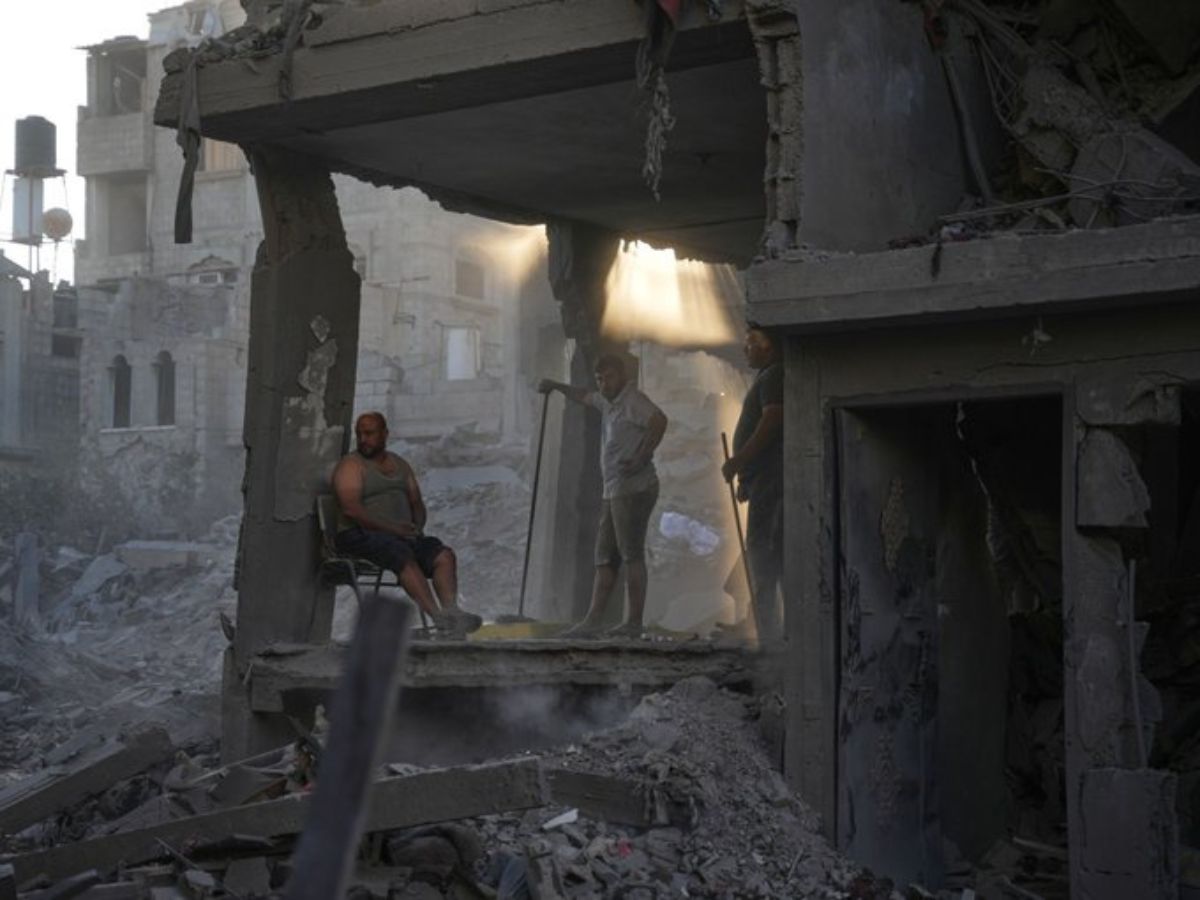
Gaza City/Khan Younis, Gaza Strip – January 8, 2026 – Israeli military strikes have killed at least five Palestinians in separate incidents across Gaza over the past 24 hours, exacerbating ceasefire violations that have resulted in 424 Palestinian deaths and 1,189 injuries since the truce took effect, according to local health authorities.
In Gaza City, two Palestinians were killed late Wednesday in an Israeli airstrike, marking a high-severity escalation in the northern part of the enclave. The attack occurred around 7:39 p.m. GMT on January 7, with reports indicating it targeted an unspecified location amid ongoing military operations. Details on the victims or precise target remain limited from official channels.
Just hours later, on Thursday morning, another strike hit a tent sheltering displaced civilians in the Al-Mawasi area of Khan Younis in southern Gaza, killing three Palestinians, medical officials reported. Anadolu Agency cited Gaza's Health Ministry, which confirmed the casualties from the attack on the designated "safe zone" – an area repeatedly described by Israeli authorities as protected for civilians fleeing conflict zones. Rescue teams recovered the bodies from the rubble of the tent, where families had sought refuge from prior fighting.
These incidents come against the backdrop of a fragile ceasefire agreement between Israel and Palestinian militant groups, primarily Hamas, which was intended to halt hostilities following months of intense conflict. However, both sides have accused each other of violations since the truce's implementation. Palestinian officials have documented a sharp rise in casualties, attributing them to Israeli drone and airstrikes on civilian areas, while Israel maintains such operations target militants and respond to provocations.
Posts circulating on X (formerly Twitter) have amplified reports of the Khan Younis strike, with users describing an Israeli explosive drone hitting a tent near Street 5 in Al-Mawasi earlier Thursday. Some identified two young victims – Abdullah Al-Hussein Muhammad Al-Abadleh, 7, and Omar Al-Hussein Muhammad Al-Abadleh, 5 – though these claims remain unverified by official sources and should be treated as inconclusive amid the platform's mix of eyewitness accounts and unconfirmed information. Similar social media reports from January 5 noted four deaths in the same area from drone fire, highlighting a pattern of alleged strikes on civilian shelters.
Background on the Ceasefire and Escalations
The current ceasefire stems from protracted negotiations brokered by international mediators, including the United States, Egypt, and Qatar, aimed at ending the latest phase of the Israel-Hamas war that erupted in October 2023. That conflict, triggered by Hamas's cross-border attack killing 1,200 Israelis and taking over 250 hostages, has since claimed tens of thousands of lives, predominantly Palestinian according to Gaza health authorities and UN estimates.
Al-Mawasi, a coastal strip in Khan Younis, was officially designated a humanitarian safe zone by Israel in mid-2024, allowing hundreds of thousands of displaced Gazans to relocate there. However, repeated strikes have undermined its status, with human rights groups like Amnesty International and Human Rights Watch previously documenting attacks on the area. Gaza's Health Ministry, run by Hamas, reports daily casualty figures, though Israel disputes their accuracy, claiming they include combatants.
Israeli military spokespersons have not immediately commented on Thursday's strikes, but past statements emphasize precision targeting of "terrorist infrastructure" while urging civilians to evacuate designated zones. Palestinian leaders, including those from Hamas, condemned the attacks as "deliberate ceasefire breaches," calling for international intervention.
Rising Toll and International Response
The cumulative toll since the ceasefire – 424 killed and 1,189 wounded – underscores the truce's fragility. Gaza's overburdened health system struggles with the influx, with hospitals like Nasser in Khan Younis overwhelmed by injuries from shrapnel and blasts.
United Nations officials expressed alarm, with the UN Office for the Coordination of Humanitarian Affairs (OCHA) reiterating calls for adherence to international humanitarian law. "Protected civilian areas must remain safe," a spokesperson stated, echoing concerns over the displacement of over 90% of Gaza's 2.3 million population.
As investigations into these strikes proceed, the incidents risk unraveling the ceasefire entirely. Diplomatic efforts continue, but with mutual accusations mounting, sustained calm appears uncertain. Both sides face pressure to de-escalate amid global scrutiny and winter hardships exacerbating Gaza's humanitarian crisis.
(Word count: 612)
Track this story live
Live World Map
Monitor global events in real time with a live activity map and hotspot summaries.
Global Conflict Map
Follow active conflict zones, strike activity, and emerging geopolitical hotspots.
Current Wars
Track all active wars and armed conflicts happening in the world right now.
Iran War
Track the Iran war in real time with proxy network monitoring, Strait of Hormuz risk, and market impact.
Original Sources
- •
Editorial process: This article was synthesized from the original sources cited above using The World Now's AI editorial system, with byline accountability from our editorial team. We grade every story for source grounding, factual coherence, and on-topic match before publication. Read more about our editorial standards and contributors. Spot something inaccurate? Let us know.
Last updated: January 14, 2026