Israeli Forces Detain 50 Palestinians and Demolish Homes in West Bank Raids Amid Escalating Tensions

Latest from X
Israeli Forces Detain 50 Palestinians and Demolish Homes in West Bank Raids Amid Escalating Tensions
Occupied West Bank, January 6, 2026 – Israeli army operations in the occupied West Bank have resulted in the detention of at least 50 Palestinians and the demolition of two homes, reports indicate, marking a significant escalation in military activity at the start of 2026. The raids, which began on January 1, contribute to a reported total of over 7,000 Palestinian arrests in the West Bank throughout 2025, heightening concerns over civil unrest and ongoing conflict dynamics in the region.
According to reports from Turkish media outlets Anadolu Agency and Yeni Şafak, Israeli forces conducted widespread raids across Palestinian areas, targeting suspected militants and leading to multiple arrests and property demolitions. The operations were described as part of routine security measures but have drawn sharp criticism from Palestinian officials and observers for exacerbating tensions and displacing families. Posts circulating on X (formerly Twitter) from these sources highlighted the scale of the detentions, with claims of 50 individuals apprehended in a single wave of activity, alongside the razing of residential structures.
The demolitions, a common tactic employed by Israeli authorities to deter alleged attackers or punish families of militants, have long been contentious. International human rights groups, including Amnesty International and Human Rights Watch, have repeatedly condemned such practices as collective punishment under international law, though Israel maintains they are lawful responses to security threats. Specific locations of the latest demolitions were not detailed in initial reports, but the actions align with patterns seen in areas like Hebron (Al-Khalil) and other hotspots prone to clashes.
This incident occurs against a backdrop of intensified Israeli military presence in the West Bank since the October 7, 2023, Hamas-led attack on southern Israel, which killed around 1,200 people and triggered the ongoing Gaza war. In response, Israeli forces have ramped up arrest raids, with the United Nations Office for the Coordination of Humanitarian Affairs (OCHA) documenting over 10,000 Palestinian detentions in the West Bank and East Jerusalem in 2024 alone. The figure of more than 7,000 arrests in 2025 underscores a sustained high tempo of operations into the new year, often sparking local protests, stone-throwing incidents, and armed confrontations that qualify as civil unrest.
Background on West Bank Dynamics
The West Bank, home to approximately 3 million Palestinians and over 700,000 Israeli settlers, remains a flashpoint in the Israeli-Palestinian conflict. Under the Oslo Accords of the 1990s, much of the territory falls under partial Palestinian Authority (PA) control, but Israel retains security oversight. Raids like the recent ones are justified by the Israeli Defense Forces (IDF) as preemptive measures against rising Palestinian militancy, including groups affiliated with Hamas, Islamic Jihad, and local lion's den cells. In 2025, violence surged, with OCHA reporting over 700 Palestinians killed in the West Bank – the deadliest year since 2005 – alongside dozens of Israeli settler and security personnel fatalities.
Palestinian factions view the arrests and demolitions as provocative, fueling cycles of unrest. Demonstrations against the operations frequently erupt, met with crowd-control measures including tear gas and live fire. The PA, weakened by internal divisions and financial woes, has limited capacity to mediate, while settler violence against Palestinians has also risen, per UN monitors.
Related Developments in Jerusalem
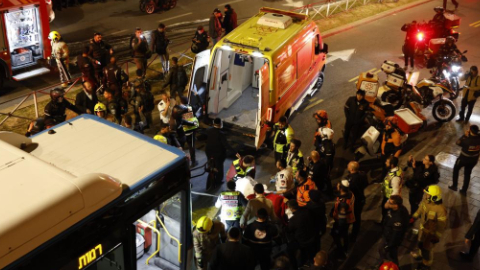
In a separate but concurrent development underscoring broader regional tensions, civil unrest unfolded in Jerusalem on January 6 when a bus struck ultra-Orthodox Jewish protesters opposing mandatory military conscription, killing an Israeli teenager. Xinhua reported the incident amid ongoing demonstrations by Haredi communities, who cite religious exemptions from IDF service amid Israel's war efforts. Jerusalem, claimed by both Israelis and Palestinians, often serves as a barometer for unrest, with protests occasionally spilling into mixed areas and igniting wider clashes.
While not directly linked to West Bank operations, the Jerusalem event highlights internal Israeli frictions that indirectly impact the Palestinian territories, as conscription debates influence military deployments.
Outlook and International Response
As of January 6, no official IDF statement on the West Bank raids was immediately available, but past patterns suggest announcements of arrested "terror suspects" with seized weapons. Palestinian presidency spokesperson Nabil Abu Rudeineh condemned the actions as "escalatory," calling for international intervention. The European Union and United States have urged restraint, emphasizing a two-state solution, though diplomatic efforts remain stalled post-Gaza ceasefire talks.
With over 7,000 arrests in 2025 setting a precedent, analysts fear continued raids could provoke more civil unrest, including mass protests or armed resistance. Monitoring groups like OCHA warn of humanitarian strain, with thousands of Palestinian detainees held under administrative detention without charge. As 2026 unfolds, de-escalation appears elusive amid unresolved core issues.
(Word count: 712)
Track this story live
Original Sources
- •Israeli army detains 50 Palestinians, demolishes homes in West Bank raids— Yeni Şafak English
- •Ushtria izraelite arreston 50 palestinezë dhe shemb dy shtëpi në Bregun Perëndimor të pushtuar— Anadolu Agency (Albanian)
- •
Editorial process: This article was synthesized from the original sources cited above using The World Now's AI editorial system, with byline accountability from our editorial team. We grade every story for source grounding, factual coherence, and on-topic match before publication. Read more about our editorial standards and contributors. Spot something inaccurate? Let us know.
Last updated: January 17, 2026






