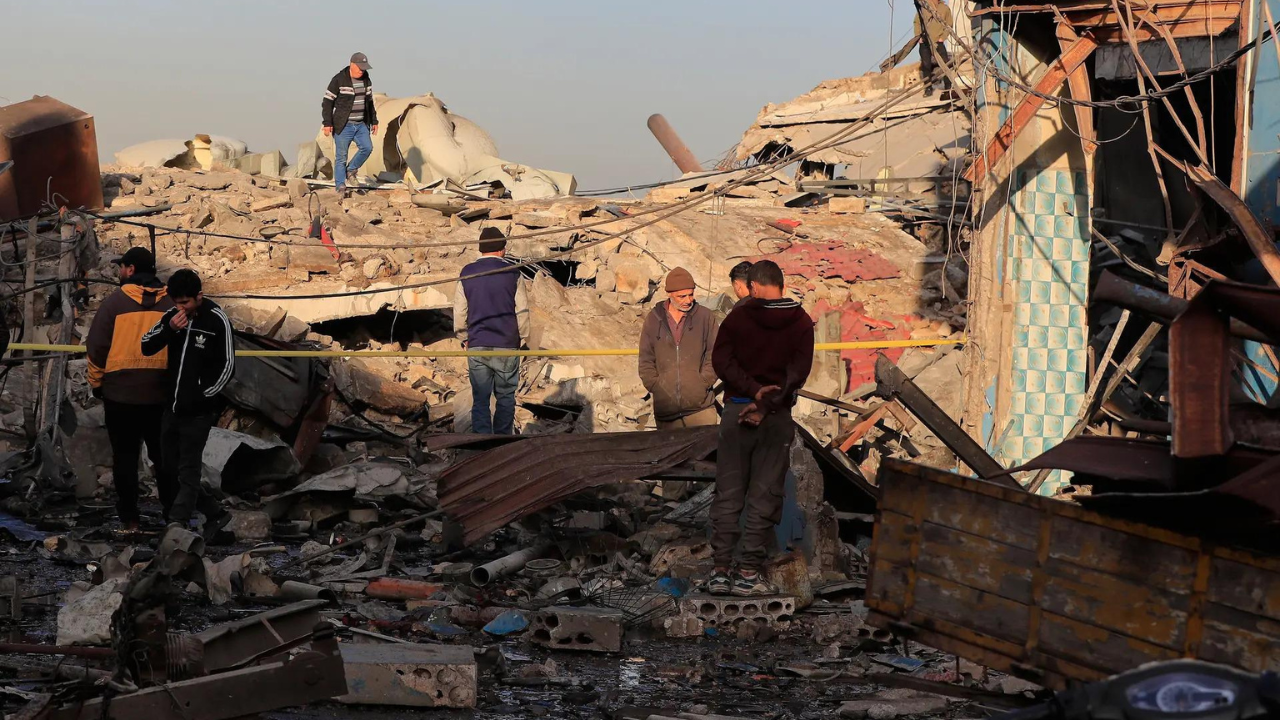

Israeli Airstrike Kills Hezbollah Member in Southern Lebanon Amid Renewed Strikes on Militant Sites
Beirut/Tel Aviv – An Israeli airstrike in southern Lebanon on January 7, 2026, resulted in the death of a Hezbollah member, heightening tensions along the Israel-Lebanon border just days before Israel launched additional strikes targeting the group's weapons facilities across the country.
The strike occurred at 23:38 GMT on Wednesday, January 7, in southern Lebanon, a region that has been a flashpoint for cross-border exchanges between Israel and Hezbollah for over two years. This incident, classified as high severity by monitoring services, underscores the fragile security situation despite recent diplomatic efforts by the Lebanese government to address Hezbollah's military presence in the area.
According to reports, the airstrike was part of a broader Israeli military operation that expanded on January 9, with Tel Aviv conducting fresh air raids on Hezbollah infrastructure. These attacks focused on weapons storage and production sites throughout Lebanon, signaling Israel's determination to neutralize what it describes as ongoing threats from the Iran-backed militant group.
The timing of the strikes follows Lebanon's announcement of plans to disarm Hezbollah in the southern border region, entrusting the Lebanese Armed Forces (LAF) with implementation. Israeli officials have acknowledged the LAF's initial steps as an "encouraging start," but emphasized that complete and verifiable disarmament is essential. They cite intelligence indicating Hezbollah's continued rearmament efforts, including the smuggling and production of advanced weaponry, as a direct risk to Israeli security.
Escalation in a Long-Standing Conflict
The January 7 airstrike and subsequent operations come against the backdrop of the Israel-Hezbollah conflict, which intensified in October 2023 following Hamas's attack on southern Israel. Hezbollah, viewing itself as an ally of the Palestinians, began launching rockets and drones into northern Israel in solidarity, prompting Israeli retaliatory strikes deep into Lebanese territory. This tit-for-tat violence displaced tens of thousands on both sides of the border and drew in international mediators.
A U.S.- and France-brokered ceasefire in November 2024 temporarily halted major hostilities, requiring Hezbollah to withdraw fighters north of the Litani River and Israel to pull back from southern Lebanese positions. However, violations persisted, with sporadic Israeli strikes targeting alleged Hezbollah movements and the group occasionally firing in response. The United Nations Interim Force in Lebanon (UNIFIL), which monitors the area under Resolution 1701, has repeatedly called for both sides to adhere to the truce.
Lebanon's internal dynamics add complexity. The country, grappling with economic collapse, political paralysis, and a presidential vacuum since 2022, relies heavily on Hezbollah for security against Israel but faces growing pressure from Western allies and Gulf states to rein in the group. The recent disarmament push in the south represents a rare concession from Beirut, potentially tied to U.S. incentives like military aid to the LAF.
Israel's military doctrine prioritizes preemptive action against Hezbollah, which it considers the most heavily armed non-state actor globally, boasting an arsenal estimated at 150,000 rockets and missiles. Past conflicts, including the 2006 Lebanon War, have shaped this approach, where Israel seeks to degrade Hezbollah's capabilities before they can be fully deployed.
Regional and International Reactions
Neither Hezbollah nor Lebanese authorities have issued detailed statements on the January 7 fatality, though the group has historically vowed retaliation for losses among its ranks. Israeli Defense Forces (IDF) spokespersons confirmed operations against "terrorist infrastructure" but provided no specifics on casualties.
The strikes have elicited concern from regional actors. Iran, Hezbollah's primary patron, condemned the attacks as aggression, while Arab states like Saudi Arabia and Egypt urged restraint to preserve Lebanon's fragile stability. The U.S., a key Israeli ally, has supported the LAF's disarmament role while pressing Israel to limit operations that could undermine it.
UN Secretary-General António Guterres reiterated calls for compliance with Resolution 1701, which mandates a demilitarized zone south of the Litani River enforced solely by the LAF and UNIFIL.
Outlook for De-Escalation
As of January 9, 2026, no immediate Hezbollah counterstrikes have been reported, but the pattern of low-level engagements risks broader conflagration, especially with Lebanon's government formation stalled and winter exacerbating humanitarian needs for displaced families.
Israel maintains that its actions are defensive and necessary until Hezbollah is fully disarmed, while Lebanon insists on sovereignty over its territory. International monitors will likely intensify patrols, but sustained progress hinges on political breakthroughs in Beirut and diplomatic pressure on Tehran.
The death of the Hezbollah member and the targeting of production sites highlight the precarious balance: tentative steps toward disarmament clashing with entrenched military postures. With both sides entrenched, the international community faces an uphill battle to prevent a return to full-scale war.
(Word count: 612)






