Israel Conflict Sees Hezbollah Ceasefire Agreement Followed by Renewed Strikes
In the Israel conflict, Israel and Hezbollah agreed to a ceasefire on 19 June 2026 even as strikes continued, killing at least 20 people in Lebanon and four Israeli soldiers while Israeli forces deployed 23 military cranes in Gaza to fire on civilians and conduct surveillance.
Ceasefire Agreement Between Israel and Hezbollah
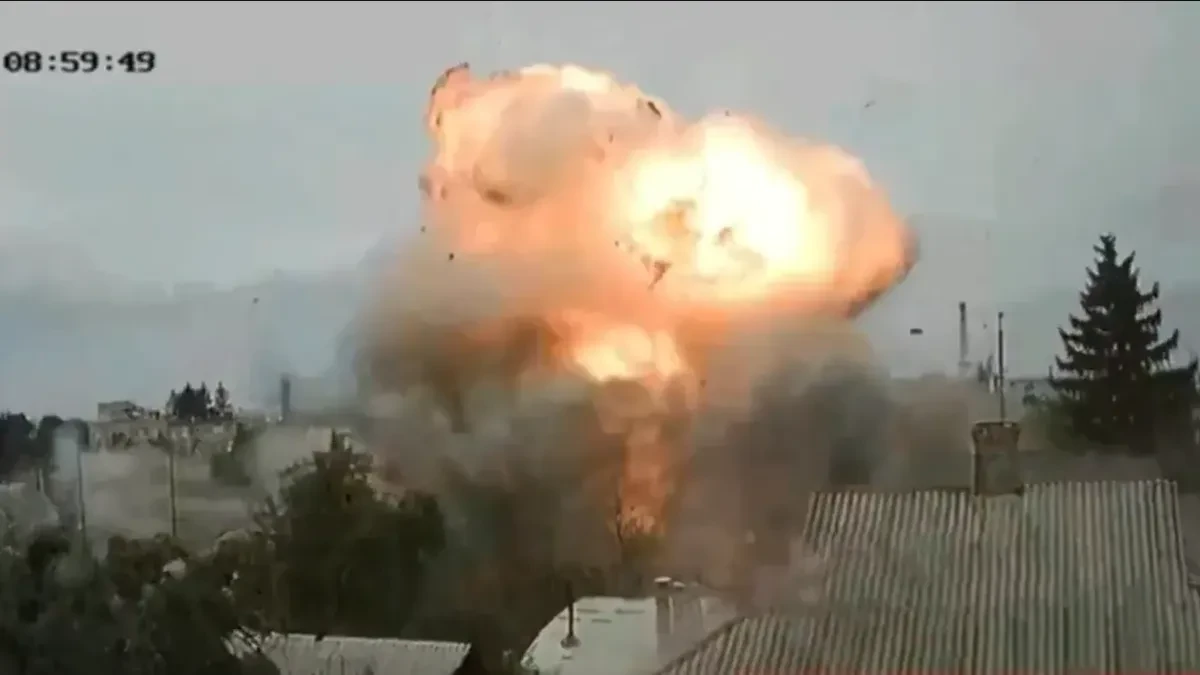
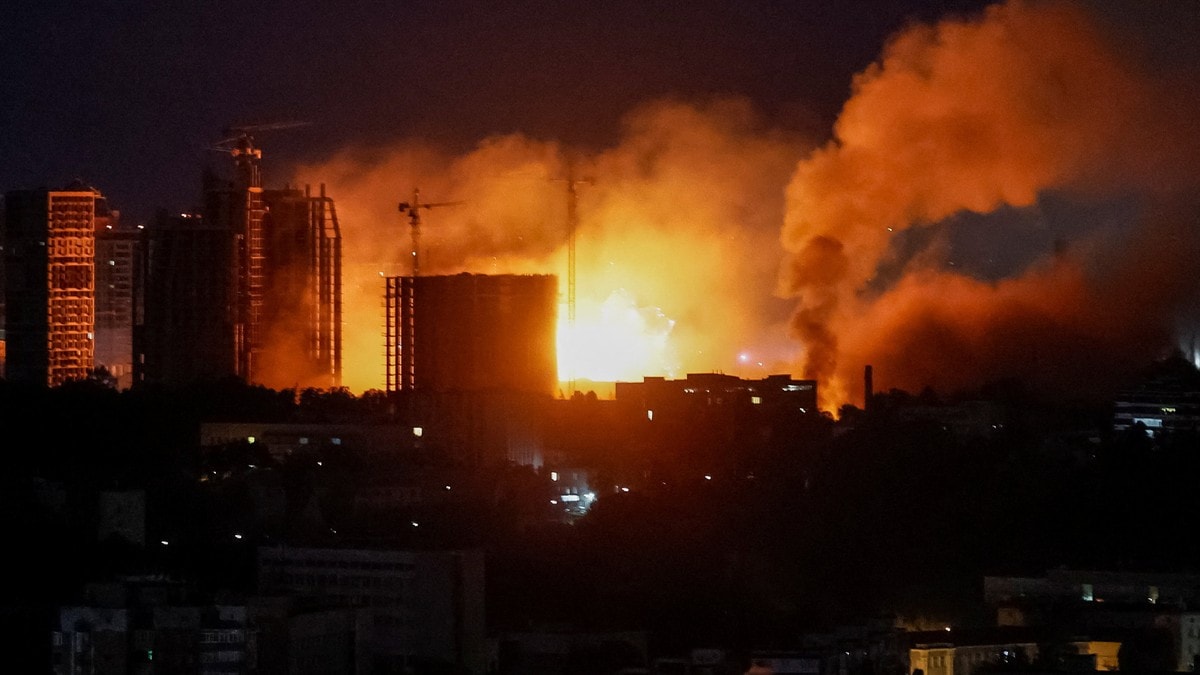
Israel and Hezbollah agreed a ceasefire on 19 June 2026 after deadly exchanges between the two sides in Lebanon put the deal to end the Middle East war under strain. [4] At least 20 people were killed in Lebanon in fresh strikes, as well four Israeli soldiers. [4] Despite the signing of the memorandum of understanding on Thursday, which effectively implements a ceasefire on all fronts, including Lebanon, strikes between the Israeli military and Hezbollah continued overnight. [2] Israel has conducted at least 12 strikes on southern Lebanon since the announcement of the ceasefire with Hezbollah in the afternoon. [2] Lebanon's death toll on Friday due to Israeli airstrikes has risen to 47 killed since midnight. [2] The sharp social media exchange came just hours ahead of a ceasefire agreement between Israel and Hezbollah on Friday, which is expected to end some of the heaviest killings between the two sides since the start of the war. [2] Lebanon's Ministry of Health says Israeli attacks since 2 March across the country have killed at least 3,696 people and injured 11,413 others. [2]
Israeli Officials Call for Expanded Action in Lebanon
Israeli National Security Minister Itamar Ben Gvir said "all of Lebanon must burn" in a social media post after the deaths of four Israeli soldiers in southern Lebanon. [2] “For every tear of an Israeli mother, a thousand Lebanese mothers should cry," Ben Gvir wrote on X on Friday. [2] He openly stated that he has pushed Prime Minister Benjamin Netanyahu to abandon “measured” military strategies in the region. [2] “Enough with the ping-pong. In the Middle East, you don't win with measured responses and containment - you have to go crazy. Erase. Defeat terrorism.” [2] Ben Gvir’s comments were closely mirrored by fellow far-right cabinet member, Finance Minister Bezalel Smotrich, who similarly called on Israel to "open the gates of hell" on Lebanon in a social media post the same day. [2] Iranian Foreign Minister Abbas Araghchi responded directly to Ben Gvir's post on X, saying that the comments should be viewed as official state rhetoric. [2] "This is not a rant by a random genocidal lunatic. It's a public post by the national security minister of the Israeli regime," Araghchi posted, characterising the Israeli leadership as “a genocidal death cult headquartered in Tel Aviv” and as “a threat to all of humanity”. [2] Some other senior Israeli officials have openly said that troops will remain in southern Lebanon indefinitely, following the deaths of four Israeli soldiers there on Friday, including a battalion commander. [2]
Israeli military cranes deployed in Gaza for surveillance and firing on civilians during conflict. — Source: euobserver
Deployment of Military Cranes in Gaza
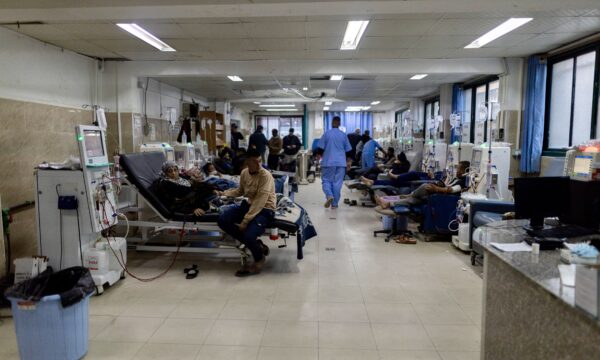
Israel's military has deployed almost two-dozen military cranes in Gaza to launch attacks and conduct surveillance operations, according to the Palestinian Centre for Human Rights. [1] Researchers at the rights monitor said they had documented cases of the cranes being used to fire on civilian areas, resulting in deaths and injuries. [1] The cranes, some of which are operated remotely, are also equipped with cameras and are used to surveil the population. [1] PCHR said their use is additional evidence of a "systematic policy aimed at undermining the basic survival of the civilian population and creating a coercive environment that repeatedly displaces the population". [1] The cranes have been set up at 23 locations behind the so-called yellow line, which separates Israel-occupied Gaza from the rest of the territory, PCHR said. [1] Tamer Nahed, a Gaza-based journalist, said the cranes "fire randomly and almost continuously at tents, streets, and exposed neighbourhoods". [1] Three people, including a five year old girl, were killed by the fire earlier this week, he wrote on X. [1]
Casualties and Ongoing Strikes in Gaza
Israeli forces continue to regularly conduct attacks across Gaza, defying the October ceasefire agreement that was supposed to bring an end to the assault. [1] Gaza health authorities say more than 1,000 people have been killed and another 3,165 others injured since the agreement came into force on 10 October. [1] At least four people were reportedly killed in a new round of strikes on Thursday. [1] Medics said an Israeli airstrike on a vehicle in Gaza City killed three people. [1] Another was killed by Israeli forces in central Gaza. [1] Since October 2023, Israel's genocidal assault has killed at least 73,018 people and wounded 173,273 others. [1]

Israeli forces deploy military cranes in Gaza amid renewed strikes after Hezbollah ceasefire. — Source: anadolu
Damage to EU-Funded Infrastructure
Israel has damaged at least €150m of European taxpayer-funded structures in Gaza and the West Bank, but not paid back one euro. [3] The European Gaza Hospital in Khan Younis (€50.5m) and the Southern Gaza Seawater Desalination Plant in Deir al-Balah, Gaza, plus its 18km pipeline (€30m), were the two most expensive EU-funded structures hit by Israeli airstrikes since 7 October 2023. [3] The EU had also invested €15m in building the Gaza Central Desalination Plant in Khan Younis and a Gas for Gaza pipeline in 2021 and 2023, but some or all of this was left unfinished due to the war. [3] European taxpayers had funded an average of €10m a year in other Gaza infrastructure in the 2014 to 2020 period, according to the EU foreign service, putting another €60m of items in harm’s way. [3] Israel had caused $35.2bn (€30.6bn) in total physical damage to Gaza, which needed $9.9bn in “emergency” funding needed for desalination, wastewater reconstruction, energy, generation, removal of & solid waste management, rebuilding primary roads and bridges”, said the World Bank in April 2026. [3] And before reconstruction could begin, Gaza would first have to clear 47m tonnes of rubble, which was mixed with some 10,000 human bodies, who needed “dignified removal”, and 20,000 tonnes of unexploded Israeli bombs, said the World Bank. [3]
Context of Regional Negotiations
The latest attacks came after mediators met in Cairo to discuss Donald Trump's roadmap to end the war, which involves Israel's withdrawal and Hamas's disarmament. [1] Trump's Gaza envoy Nickolay Mladenov, has been in negotiations with the Palestinian group about decommissioning its weapons. [1] Ceasefire challenges Israel’s expanding military presence in Lebanon and the intensifying air strikes across southern and eastern parts of the country have been a challenging factor for the ceasefire talks between Iran and the US, negotiated by partners including Pakistan and Qatar. [2] The Lebanon front had become a major point of confrontation between the Trump administration and the Israeli government. [2] Donald Trump, the US president, has recently criticised the killings of civilians in Lebanon by the Israeli army, which claims to be striking Hezbollah bases only, and signalled that Israeli attacks in Lebanon threatened to derail the final agreement, which he said was “not easy” to complete. [2] Throughout the ceasefire efforts, Israel repeatedly rejected calls from the US as well as other G7 countries to withdraw troops from southern Lebanon. [2] Meanwhile, Hezbollah has been calling on the Lebanese government to reject any direct negotiations with Israel while Israeli attacks on Lebanon continue. [2] But the Lebanese government was openly hopeful that the US-Iran deal could end the hostilities in the region. [2]
What to watch next: The ceasefire's relation to mediators' Cairo meeting on Trump's roadmap, US-Iran deal strains, Trump's criticism of Lebanon civilian killings, and Hezbollah's stance on negotiations amid continued attacks remain key points of focus.