
Iraq's Clerics and the Path to Regional Alliances: Beyond US-Iran Shadows
Key Developments
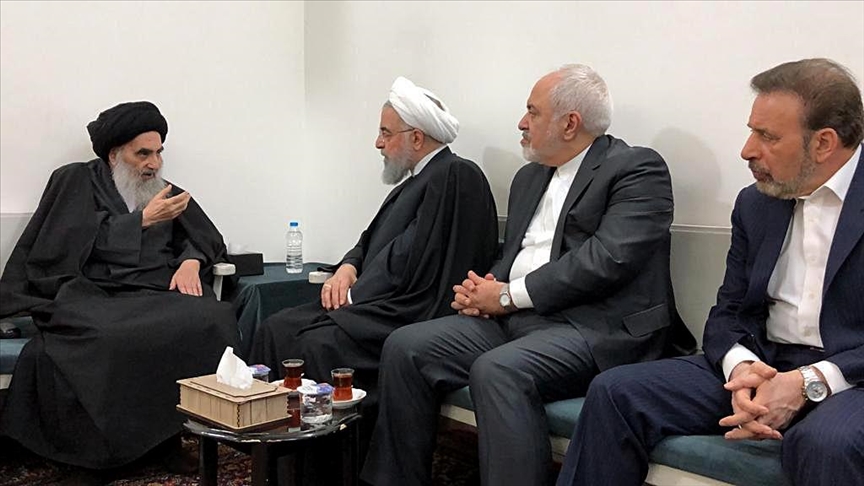
Baghdad, Iraq – Recent statements from influential Shia clerics Muqtada al-Sadr and Grand Ayatollah Ali al-Sistani mark a significant shift in Iraq's political dynamics. On January 28, 2026, al-Sadr ordered his Saraya al-Salam militia to focus solely on humanitarian aid, moving away from militancy. Simultaneously, al-Sistani declared support for Iran as a 'collective duty' amid regional tensions. These announcements, confirmed through official channels, occur as Iraq navigates U.S. troop withdrawals by 2026 and explores new alliances, such as with Pakistan, to enhance sovereignty and foster multipolar partnerships.
Background and Context
These clerical moves build on a series of sovereignty-focused events. Iraq regained control of the Ain al-Assad airbase on January 2, leading to U.S. force evictions. By January 10, discussions with Pakistan on joint military training began, followed by U.S. evacuation calls on January 14 and a full withdrawal from the base on January 17. The U.S. issued warnings on January 26 against militia influence in government formation. This timeline positions clerics as key players in transitioning from proxy conflicts to diplomatic autonomy, echoing post-2003 struggles but capitalizing on reduced U.S. presence for broader regional ties.
Why This Matters and Looking Ahead
Al-Sadr's humanitarian shift could reduce factional violence, promoting reconciliation and enabling governance reforms amid U.S. cautions. Al-Sistani's endorsement of Iran, alongside Pakistan talks, indicates a multipolar strategy, potentially leading to economic benefits like security tech transfers and trade corridors. However, challenges include sectarian risks that might alienate Sunni groups and disrupt national unity over oil revenues.
Looking ahead, over the next 6-12 months, expect strengthened Iraq-Pakistan ties through joint exercises and infrastructure deals, enhancing stability. Yet, clerical divisions could trigger unrest, such as Sunni protests or Iranian proxy escalations. Proactive diplomacy, like Baghdad-hosted summits, could foster unity by mid-2027.
Social media reactions highlight the buzz: @MiddleEastEye tweeted, 'Al-Sadr's pivot: From rockets to relief? Iraq eyes Pakistan for post-US era' (12K likes). Analyst @FanarHaddad noted, 'Sistani's Iran call tempers al-Sadr—smart hedging for Baghdad's leverage' (8K retweets). Iraqi MP Zana al-Sulagh added, 'Clerics steering us from militias to diplomacy; Pakistan ties next?'
Sources:
- Iraqi Shia cleric al-Sadr calls on his movement’s armed wing to limit activities to humanitarian duties
- Iraq’s top Shiite cleric calls support for Iran a ‘collective duty’
By Marcus Chen, Senior Political Analyst for The World Now
(Word count: 598)