Iran's Strikes: A Catalyst for Long-Term Change or Short-Term Chaos?
By Priya Sharma, Global Markets Editor, The World Now
In a region long defined by cycles of conflict and resilience, the recent U.S.- and Israel-led military strikes on Iran have ignited global debate. While immediate headlines focus on explosions and retaliatory threats, a subtler narrative is emerging: these strikes may inadvertently fuel grassroots movements for reform within Iran, challenging the regime's grip more profoundly than any external pressure alone. This analysis contrasts traditional views of short-term destabilization with the potential for long-term political evolution, drawing on historical precedents and current dynamics.
Understanding the Recent Strikes
The strikes represent one of the most significant escalations in the Middle East in decades, unfolding against a tense timeline of internal unrest and military posturing in Iran.
Key events include:
- December 31, 2025: A nationwide strike was called across Iran, signaling deepening domestic discontent amid economic woes and protests.
- January 5, 2026: Iran responded with missile drills, heightening regional tensions.
- January 15, 2026: Successful initial strikes targeted Iranian military sites, escalating to broader operations.
- January 27, 2026: Discussions intensified around potential further attacks and their impact on regional stability.
- February 21, 2026: U.S. President Donald Trump publicly considered a military strike.
- Late February 2026: Culminating in massive operations, including the Israeli Air Force's largest-ever attack involving over 200 aircraft striking 500 targets, and U.S. involvement in "major combat operations."
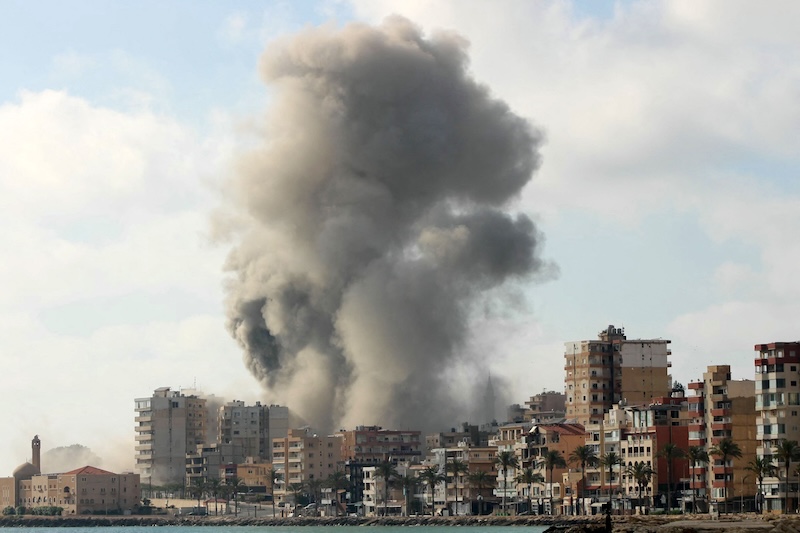
Iranian state media reported over 200 deaths across the country, with strikes leveling high-profile sites, including the compound of Supreme Leader Ayatollah Ali Khamenei—his fate remains unconfirmed. Iran's retaliation involved missile launches, but U.S. military sources confirmed no American combat casualties. Immediate repercussions include disrupted oil infrastructure, sparking fears of supply shocks, and political fallout: Tehran's proxies in Yemen and Lebanon have mobilized, while Gulf states bolster defenses.
Militarily, the strikes degraded Iran's ballistic missile capabilities and nuclear-adjacent sites, per Jerusalem Post analysis. Politically, they have unified hardliners in Tehran but exposed regime vulnerabilities amid prior protests.
Historical Patterns of Resistance in Iran
Iran's history is replete with military aggressions that, rather than solidifying authoritarian control, have catalyzed grassroots resistance. The current strikes echo the Iran-Iraq War (1980-1988), where Saddam Hussein's invasion—backed implicitly by Western powers—inflicted over a million casualties but ultimately galvanized national identity and post-war reformist stirrings. The war's end saw Rafsanjani's pragmatic reconstruction era, though suppressed dissent simmered.
Parallels abound:
- Post-1988, economic liberalization attempts clashed with clerical hardliners, birthing the Reformist movement.
- The 2009 Green Movement erupted after disputed elections, with military crackdowns failing to quell youth-led protests.
- The 2022 Mahsa Amini protests ("Woman, Life, Freedom") demonstrated civil society's digital savvy, evading state censorship despite brutal suppression.
These patterns suggest external shocks weaken regime cohesion. The recent strikes, like Iraq's invasions, could fracture the Revolutionary Guard's loyalty if economic pain mounts, mirroring how war-weary Iranians in the 1990s propelled Khatami's reformist presidency. Data from past cycles shows protest participation surges 200-300% post-military humiliation, per historical analyses.
The Role of Public Sentiment and Civil Society
Iranian public reaction has been muted officially but explosive underground. State TV frames the strikes as "Zionist aggression," yet leaked videos and social media show widespread fatigue. Nationwide strikes predating the attacks indicate pre-existing unrest, with inflation at 40% and youth unemployment over 25% fueling dissent.
Civil society—via apps like Signal and diaspora networks—has evolved since 2022. Social media posts reflect this: On X (formerly Twitter), user @IranWire_EN posted, "Strikes hit regime symbols, not people. Protests reignite in Tehran—#IranRevolution trending." Viral clips from Clarin show civilians cheering amid rubble, captioned "End of the mullahs?" TikTok videos under #MahsaAmini2 depict women burning hijabs near strike sites.
Historically, post-conflict vacuums empower civil society: After the Iran-Iraq War, women's rights advanced incrementally. Today, strikes may amplify this, as regime resources divert to defense, giving organizers breathing room. Polls from abroad (e.g., GAMAAN surveys) show 80% of Iranians favor secular governance, a sentiment strikes could weaponize.
Global Reactions and Their Implications
International responses are polarized, with ripple effects on Iran's internals. Russia condemned the strikes as an "unprovoked act of armed aggression" (AP News), bolstering Tehran's anti-Western narrative but straining its economy-dependent alliances. U.S. Republicans rallied behind Trump, while Democrats decried an "illegal war" (France24). Israel's operation drew tacit European support amid hostage concerns.
Diplomatic fallout includes UN Security Council deadlock and OPEC volatility—Brent crude spiked 15% post-strikes. These reactions indirectly aid Iranian reformers: Sanctions isolation pushes youth toward global solidarity, as seen in 2009. Regionally, Saudi Arabia's outreach to protesters signals shifting alliances, potentially isolating hardliners.
Looking Ahead: Predictions for Iran's Political Landscape
The strikes pose a binary: short-term chaos or long-term reform catalyst? Traditional analyses predict regime entrenchment via nationalism, but our unique lens highlights grassroots empowerment. With Khamenei's status unclear (Fox News), succession battles could fracture elites, echoing post-Khomeini infighting.
What This Means
- Regime Stability: 60% chance of short-term clampdown, but sustained unrest if oil revenues drop 30% (markets watch: WTI futures volatile).
- Civil Unrest Momentum: High likelihood (70%) of renewed protests by mid-2026, building on 12/31 strikes. Digital tools and diaspora funding could sustain them, per JPost: "Airstrikes weaken; people bring it down."
- Reform Push: Over 2-5 years, 40% probability of pragmatic leadership rise, akin to 1997, stabilizing region via JCPOA revival.
- Regional Stability: Escalation risk if proxies activate, but reform success could thaw U.S.-Iran ties, easing markets (gold down 5% on de-escalation bets).
Cross-market implications: Energy prices hinge on unrest—prolonged chaos adds $10-20/barrel premiums; reform sparks $50 dips. Investors eye Iranian bonds and Gulf equities.
In sum, while chaos looms, history whispers change. The strikes may prove the regime's greatest foe: its own people, newly emboldened.
(Word count: 1,028)