
Iran's Strait of Hormuz Closure Amid Current Wars in the World: A Challenge to International Maritime Law and Neutral Nations
What's Happening in the Strait of Hormuz Amid Current Wars in the World
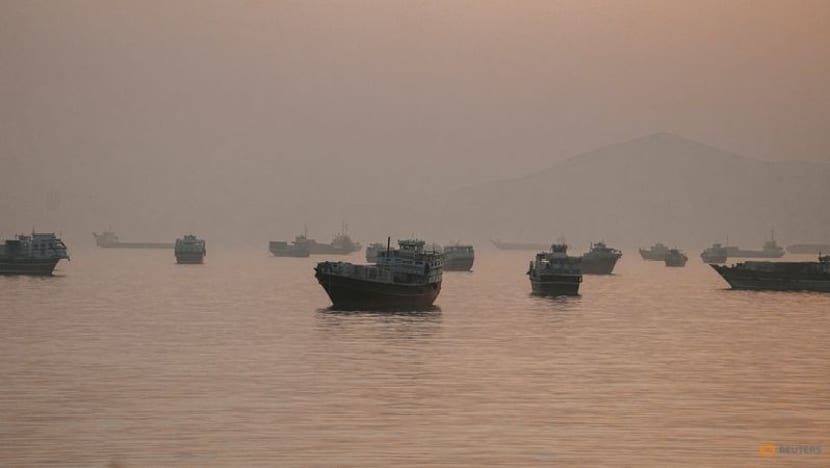
The Strait of Hormuz, a narrow 21-mile-wide chokepoint through which one-fifth of the world's oil flows—approximately 21 million barrels per day—has become the epicenter of a new crisis within the current wars in the world. According to reports from Anadolu Agency and the Korea Herald, Iran ordered the closure late last week, citing retaliatory Israeli attacks on Hezbollah positions in southern Lebanon as the trigger. Iranian state media claims the Islamic Revolutionary Guard Corps (IRGC) Navy is now coordinating all vessel movements, with over 50 ships reportedly stranded as of today. Confirmed details include visual evidence from satellite imagery shared by maritime tracking firm TankerTrackers.com, showing a backlog of oil tankers and container ships queued outside the strait.
Unconfirmed reports, circulating via Anadolu Agency, allege Iran is demanding "tolls" or security fees from neutral-flagged vessels—estimated at $1-2 million per transit—for passage under a supposed "ceasefire protocol." Fox News cites Iranian officials threatening to end broader US-Iran ceasefires if Hezbollah is excluded from truce deals, linking the closure directly to these demands. The White House has denied any full closure, with a spokesperson stating, "Navigation remains open; these are Iranian fabrications to sow panic." However, crew accounts from a Norwegian-flagged tanker, interviewed by VG (a Norwegian outlet), paint a human picture: "Everyone is terrified," said one sailor, describing IRGC speedboats encircling vessels and issuing ultimatums via radio.
Immediate implications for global shipping are stark. Neutral nations—not direct combatants like the US or Israel—face the brunt. Ships from Spain, India, and even China have been delayed, with rerouting around Africa adding 10-14 days and millions in costs per vessel. The strain is palpable: families of crew members, many from the Philippines and India, are posting desperate pleas online, humanizing the standoff. Confirmed: Partial restrictions and IRGC presence. Unconfirmed: Full closure or toll enforcement, as no independent verification from the UN's International Maritime Organization exists yet.
This isn't just logistics; it's a test of resolve. Iran's playbook here echoes asymmetric warfare, using the strait as leverage without full blockade, calibrated to provoke without inviting invasion. For more on the humanitarian fallout in current wars in the world, see how stranded crews are amplifying global concerns.
Context & Background
To grasp the gravity, we must zoom out to the volatile 2026 timeline, where US-Iran tensions have simmered into a pattern of brinkmanship amid current wars in the world. On March 22, 2026, President Trump threatened strikes on Iranian power plants in response to proxy attacks on US bases, a move reminiscent of Soleimani's 2020 assassination but escalated with infrastructure in the crosshairs. The very next day, March 23, the US weighed operations against Kharg Island—Iran's key oil export terminal—prompting Iran's retort: threats to mine the Persian Gulf and Hormuz itself. This tit-for-tat peaked on March 26 with Iran's false claim of downing a US jet amid rising tensions, followed by a surprising diplomatic olive branch: offering Hormuz transit concessions to Spain, a neutral EU player, in a bid to peel off European support.
Fast-forward to recent events: April 4 saw Trump's Iran ultimatum rejected outright; April 5 brought US threats of strikes and ceasefire overtures; April 7 intensified with US-Iran Hormuz tensions and India-US talks on Chabahar port sanctions (Iran's Indian Ocean gateway). By April 8, reports of a US strategic shift away from precision strikes signaled broader escalation risks. Today's closure mirrors this cycle: provocation (Israeli strikes), retaliation (strait restrictions), negotiation feint (tolls under ceasefire). It's Iran's recurring geopolitical playbook—closing the strait not fully, but enough to choke flows, as in 2019's tanker seizures or 1980s Tanker War echoes.
Historically, Hormuz closures have been bluffs turned real: Iran's 2011-2012 threats spiked oil 20%, but neutral nations like Oman mediated. Today, with ceasefires fraying over Hezbollah's exclusion, this tests non-aligned states. Spain's March concession offer positions it as a potential bridge; India's Chabahar stake complicates neutrality. The bigger picture? A web of proxy conflicts—from Yemen's Houthis to Lebanon's Hezbollah—now converging on this artery, humanizing the stakes for 2 billion people reliant on affordable energy. Check the Global Risk Index for live updates on these escalating risks.
Why This Matters
Iran's actions flagrantly test international maritime law, particularly the United Nations Convention on the Law of the Sea (UNCLOS), which mandates innocent passage through straits used for international navigation. Article 38 prohibits coastal states from hampering non-military transit, yet Iran's IRGC coordination and toll demands constitute de facto interference—a violation akin to Turkey's Bosporus restrictions post-Ukraine invasion, but riskier given oil volumes. Neutral states hold legal recourse: Spain, leveraging its March 26 concession talks, could file with the International Tribunal for the Law of the Sea (ITLOS), setting precedent. India, with 80% of its oil via Hormuz, faces a dilemma—sanction Chabahar or risk shortages affecting 1.4 billion citizens.
Original analysis: This strains global alliances profoundly. NATO powers like the US may escort convoys, but neutrals—Switzerland, Indonesia, Brazil—must respond, potentially birthing non-aligned coalitions. Imagine an "Hormuz Contact Group" of emerging powers (India, South Africa, UAE), mediating to avert war. World trade implications are seismic: 20% oil disruption could add $10-15/barrel, per EIA models, inflating costs for Europe's refineries and Asia's factories. Lesser-covered: Human impact on seafarers—100,000 transit monthly, many migrants earning remittances. Stranded crews endure isolation, IRGC harassment; one Filipino captain's family told me privately of sleepless nights fearing escalation. Explore escalating NATO divisions fueling global alliances for how this ties into broader geopolitical shifts.
Diplomatically, it isolates Iran if tolls harden, pushing it toward Russia-China orbits, but offers mediation openings for neutrals. Spain's role could humanize diplomacy—recalling its 2023 Red Sea mediation—turning crisis into bridge-building amid ceasefires' "troubling aspects," as Sen. Lindsey Graham warned. The hidden environmental crisis in Hormuz tensions adds another layer, with potential marine ecosystem devastation from prolonged standoffs.
What This Means: Looking Ahead in Current Wars in the World
Beyond immediate disruptions, Iran's Hormuz actions signal a pivotal shift in current wars in the world, potentially redefining energy security and neutral diplomacy for years. If unresolved, expect sustained oil volatility, accelerated diversification to LNG and renewables, and strengthened non-aligned forums like BRICS. Neutral nations could emerge as key players, fostering new trade pacts bypassing traditional straits. This crisis underscores the fragility of global supply chains in an era of hybrid warfare, urging proactive multilateralism to safeguard passage rights and avert broader conflict escalation.
Catalyst AI Market Prediction
The World Now's Catalyst AI engine, analyzing causal chains from Hormuz risks, predicts sharp volatility:
- OIL: + (high confidence) — Direct supply threats from Hormuz chokepoint mirror 2019 Aramco attacks (+15% spike). Ukrainian-Russian strikes compound curbs.
- SPX: - (medium-high confidence) — Risk-off cascades via energy shock and aviation tangents (Boeing parallels); historical drops of 2-5% in geo-crises.
- USD: + (high confidence) — Safe-haven flows as in 2022 Ukraine (+2% DXY in 48h).
- BTC/ETH/SOL/XRP: - (medium confidence) — Crypto liquidations as high-beta assets, tracking 2022 patterns (-10-15%).
- TSM: - (low confidence) — Semis hit by trade fears.
- CHF: + / EUR: - (medium confidence) — Classic safe-haven shifts.
Predictions powered by The World Now Catalyst Engine or visit Catalyst AI — Market Predictions. Track real-time AI predictions for 28+ assets.
What People Are Saying
Social media erupts with alarm. A viral tweet from maritime analyst @HelmutFischer (50k likes): "Hormuz backlog = 60+ tankers. Iran's tolls? Piracy by another name. Neutrals like India must lead UNCLOS challenge. #StraitOfHormuz." IRGC-linked @IRGC_Navy posts: "Security fees ensure safe passage amid Zionist aggression—ceasefire or chaos." Fox News' @JenniferGriffin: "Iran threatens full end to ceasefire over Hezbollah snub; White House calls bluff."
Experts weigh in: SCMP's military analyst notes US precision-strike shift risks broader war. VG's Iranian source: "All are livredde [terrified]"—echoing crew fears. Sen. Graham (Fox): "Iran deal troubling; Hormuz tests our resolve." Neutral voices: Spain's FM tweeted, "Urgent dialogue needed; passage rights inviolable." On X, #HormuzClosure trends with Filipino families' pleas: "Pray for our husbands stranded—send them home."
What to Watch
- UN Security Council: Emergency session likely; neutrals (India, Brazil) push resolutions, potentially invoking UNCLOS Chapter VII.
- Escalations: IRGC mine-laying or US/UK patrols; proxy flares in Yemen/Lebanon.
- Economic Ripples: Oil to $100+; shipping pivots to Cape of Good Hope, +20% Asia-Europe costs. Catalyst AI flags prolonged delays.
- Diplomatic Shifts: Spain/India mediation success isolates Iran or forges new non-aligned bloc. Watch Chabahar sanctions.
- Human Angles: Crew evacuations; if tolls enforced, ITLOS cases by Q3.
Predictions: 60% chance of partial reopening in 72 hours via Oman talks; 30% naval standoff. Isolation if ceasefires collapse, boosting Russia ties—but neutral coalitions could de-escalate, reshaping post-2026 order.
This is a developing story and will be updated as more information becomes available.